Are Vibration Plates Good for Lipedema? A Complete Guide to Benefits & Use
Are vibration plates good for lipedema? Yes, they can help by improving circulation and lymphatic flow, which may reduce swelling and discomfort. Start with short sessions of 5 to 10 minutes on a low setting to gently stimulate blood flow without risking complications. Consistency and gradual increase in duration are key to maximizing benefits safely.
Key Takeaways
- Begin with 5 to 10 minute sessions at low frequency to avoid causing Raynaud’s-like symptoms.
- Limit vibration therapy to 30 minutes daily based on manufacturer recommendations.
- Adjust frequency settings between 5 and 30 Hertz for optimal lymphatic drainage and skin blood flow.
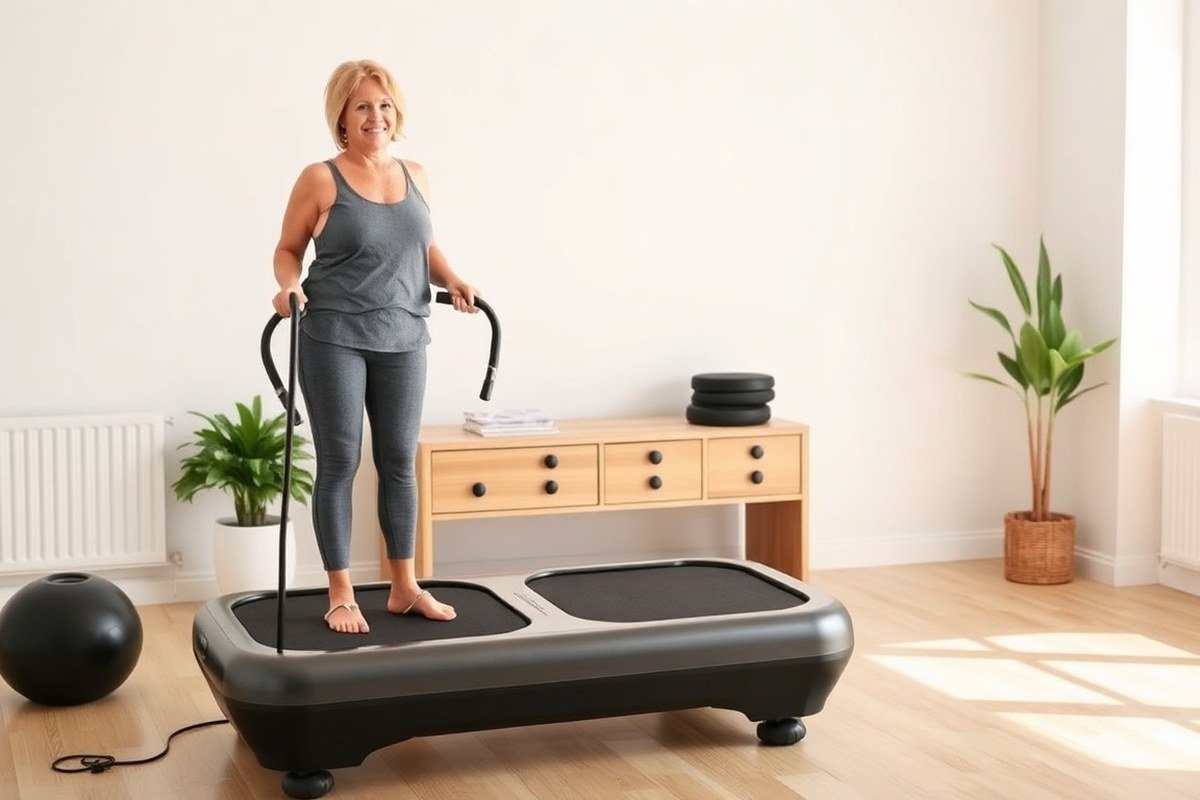
- Choose vibration plates with stable construction and handrails to ensure safety during use.
- Track symptoms carefully and increase session length gradually under clinician supervision.
- Avoid high-frequency vibrations above 80 Hertz, which may trigger complications in sensitive individuals.
Do Vibration Plates Help Lipedema Symptoms?
Vibration plates can offer meaningful benefits for managing symptoms of lipedema by improving circulation, reducing swelling, and easing pain. The gentle shaking motion caused by the plate stimulates muscle contractions that improve lymphatic drainage. This helps move trapped fluids in the limbs toward the lymph nodes and can reduce persistent swelling, one of the main challenges for people with lipedema.
While vibration therapy doesn’t directly target or reduce the lipedema fat itself, fat deposits remain resistant to diet and typical exercise, the improved circulation helps relieve discomfort and support limb function. Consistent use of vibration plates, especially when combined with compression garments and manual lymphatic drainage, can lead to noticeable reductions in swelling and pain sensitivity. Clinical observations suggest vibration therapy can activate muscles more effectively than low-impact movements alone, promoting better lymphatic flow and blood circulation.
Using a vibration plate typically feels like a gentle shake that you stand or sit on for about 10 to 15 minutes per session. Start with low settings and gradually increase intensity to avoid discomfort. Many people find that multiple sessions per week improve symptoms over time. The initial cost of a decent vibration plate ranges from $150 to $500, with some home models priced higher. For those unable to invest in equipment, similar benefits might be accessed through professional therapy or specialized exercise classes focusing on vibration.
Proper technique is essential to avoid soreness or aggravation. It’s best to use vibration therapy after establishing diet, compression, and lymphatic massage routines. Although research specific to lipedema is still limited, current evidence and clinical reports show vibration plates as a helpful tool to manage pain, improve comfort, and reduce swelling. Talk to a healthcare professional to integrate vibration therapy safely into your personal care plan.
How Vibration Therapy Affects Lymphatic and Venous Flow
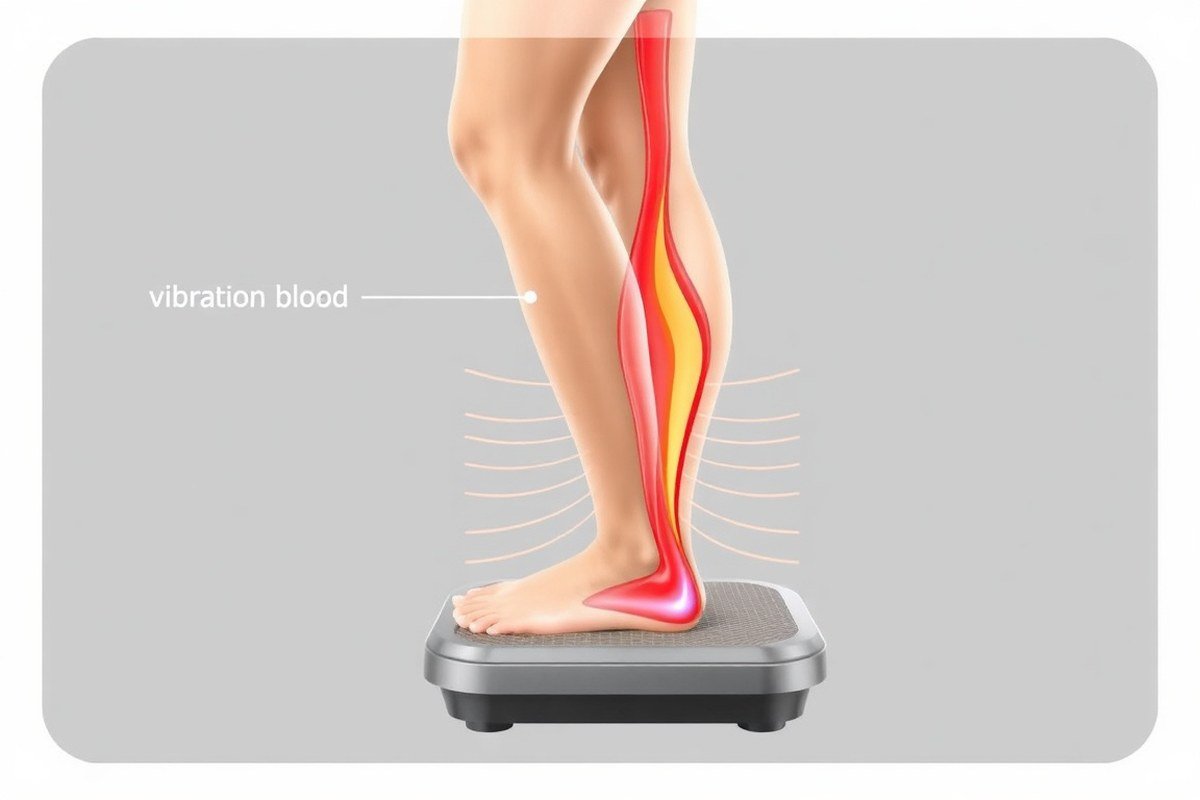
Vibration plates work by creating rapid muscle contractions that stimulate both lymphatic drainage and venous circulation. The gentle oscillations or 3D motions cause muscles in your legs and hips to contract and relax repeatedly. This helps pump lymph fluid and blood through vessels, counteracting the slow flow that often worsens lipedema symptoms like swelling and heaviness. Muscle activity is essential because the lymphatic system relies on surrounding muscle movements to move fluid since it lacks its own pump like the heart.
The optimal frequency range for lymphatic and venous stimulation typically falls between 5 and 50 Hz, depending on your comfort and sensitivity. Lower frequencies (around 5-20 Hz) produce gentle oscillations suitable for sensitive tissue often found in lipedema, while higher frequencies (30-50 Hz) encourage stronger muscle activation. For example, using a 10 Hz setting can improve lymph flow by promoting steady, relaxed muscle contractions, while a 40 Hz frequency offers more intense activation that boosts blood circulation but may feel less comfortable if tissue is tender.
Sessions usually last between 5 and 20 minutes to balance effectiveness with safety. Shorter sessions prevent overstressing already fragile tissues. Starting with 5 to 10 minutes at a low frequency helps your body adjust. A worked example: standing on a vibration plate set to 15 Hz for 10 minutes can stimulate calf muscles enough to improve venous return without causing discomfort. This motion agitates fluid in lymphatic vessels, improving drainage of excess interstitial fluid responsible for lipedema swelling.
Choosing a vibration plate with adjustable frequency and stable support like handrails is important for safety and effectiveness. Combined with consistent use, this non-invasive method encourages your lymphatic system to function better, potentially reducing edema and the feeling of heaviness in affected limbs.
Choosing the Right Vibration Plate and Settings for Lipedema
Choosing the right vibration plate for lipedema involves focusing on comfort, stability, and settings that promote gentle yet effective lymphatic stimulation. Most users benefit from low-frequency vibrations (approximately 20 to 30 Hz) combined with subtle oscillating or linear motions, which support muscle activation and fluid movement without causing discomfort or aggravating symptoms.
| Vibration Plate Type | Motion | Frequency Range (Hz) | Best For | Typical Price Range ($) |
|---|---|---|---|---|
| Oscillating (See-Saw) | Side-to-side | 20-30 | Lymphatic drainage and gentle stimulation | 250-700 |
| Linear (Vertical) | Up and down | 20-50 | Stronger muscle activation, avoid if sensitive | 300-1000 |
| Tri-Planar | Multi-directional | 20-40 | Versatile for coordination and mild therapy | 600-1200 |
Oscillating plates tend to provide the most consistent, gentle stimulation recommended for lymphatic support. Linear vibration plates can deliver more intense muscle activation but may increase discomfort if you have sensitive or inflamed areas. Tri-planar plates offer multi-directional movement, which can help improve steadiness but might not be ideal if you need very controlled settings.
Select frequencies near 20-30 Hz for lymphatic benefit, adjusting based on comfort and symptom response. Start with shorter sessions (5-10 minutes) and low intensity, then gradually increase duration. Avoid settings above 40 Hz or intense vertical vibrations unless cleared by your healthcare provider, as they may worsen swelling or discomfort.
Starting Vibration Plate Therapy Safely: Step-by-Step Plan
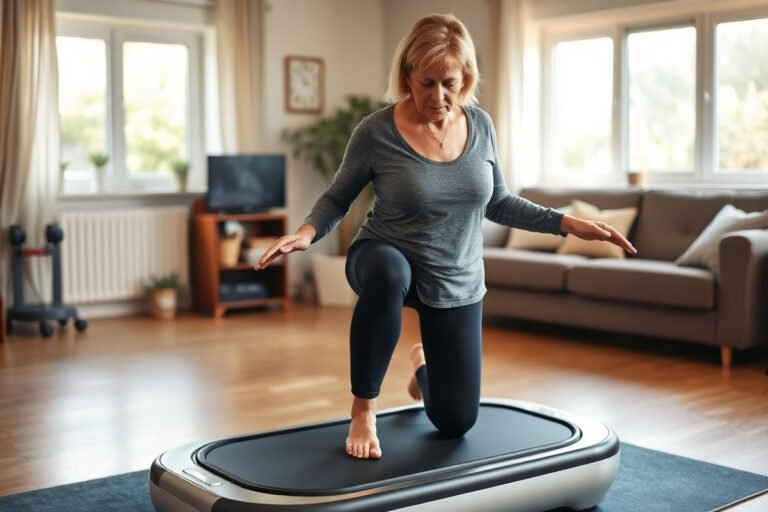
Starting vibration plate therapy safely requires a gradual approach to allow your body to adapt and to reduce the risk of discomfort or injury. Sessions should begin short and at low intensity while focusing on appropriate posture. Adhering to a consistent schedule of 3 to 4 times weekly sessions helps you build tolerance and encourages improved lymphatic flow and muscle activation. Posture matters because standing with a slight bend in your knees and engaging your core supports joint alignment and maximizes vibration benefits without strain.
- Consult your healthcare provider to ensure vibration therapy is safe for your specific lipedema stage and condition.
- Begin with 10-minute sessions at a frequency of 25-30 Hz to start stimulating circulation gently without overwhelming your body.
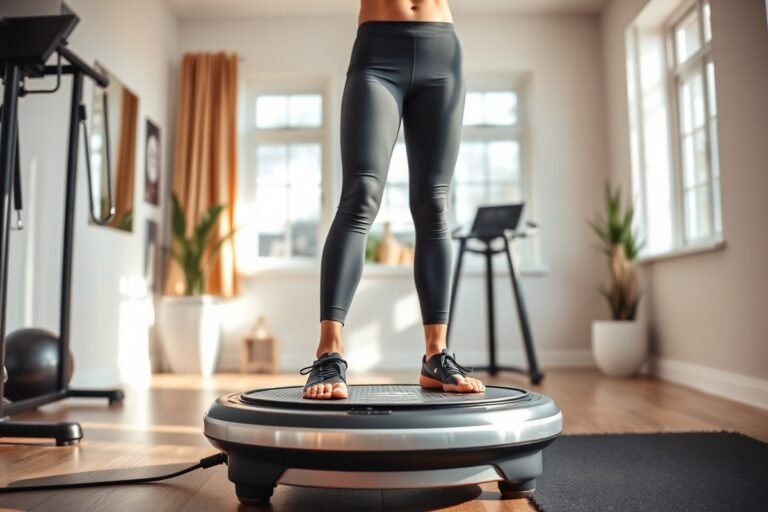
- Stand with feet shoulder-width apart, knees slightly bent, and keep your core engaged to maintain balance and reduce joint stress during sessions.
- Use the vibration plate 3 to 4 times per week for steady progress, allowing rest days in between to avoid excessive fatigue or irritation.
- Monitor your response to sessions by logging how you feel immediately after and the next day, noting any swelling or pain changes.
- Increase session duration gradually by 5 minutes every 1 to 2 weeks as tolerated, aiming to reach up to 30 minutes for improve benefits.
- Combine vibration therapy with compression garments and gentle exercise to maximize lymphatic support and mobility improvements.
- Adjust posture or intensity if you experience discomfort, keeping vibration low and maintaining proper alignment until you feel confident.
Common Mistakes and Warning Signs When Using Vibration Plates
Using vibration plates for lipedema requires careful attention to avoid common mistakes that can reduce effectiveness or cause harm. Avoid high-frequency settings above 80 Hertz, as these have been linked to complications like Raynaud’s symptoms. Instead, choose lower frequencies around 10 to 30 Hertz, which studies associate with improved lymphatic and blood flow. Always start with short sessions of 5 to 10 minutes to assess tolerance and gradually increase as tolerated.
Ignoring professional advice is another common mistake. Before beginning therapy, consult your healthcare provider, especially if you have cardiovascular conditions or advanced lipedema. This step helps ensure your safety and may improve treatment outcomes by tailoring vibration use to your needs. Signs that vibration therapy is working include gentle warmth and mild muscle relaxation without increased pain or skin changes. Pay close attention to warning signs that suggest you should stop and seek medical advice immediately:
- Excessive itchiness or redness on the skin after sessions
- Sharp or worsening pain during or after vibration
- Numbness or tingling that does not subside quickly
- Appearance of Raynaud-like symptoms, such as fingertips turning white or blue
- Swelling that increases rather than decreases following therapy
- Dizziness or lightheadedness during or following use
- Bruising or skin damage in treated areas
If you experience any of these signs, stop use immediately and contact your healthcare provider. Adjusting the vibration frequency, session length, or posture can address less severe issues. For example, lowering the intensity or shifting from standing to sitting may reduce discomfort. Regularly monitor your body’s response, and do not push through pain or extreme discomfort. Safe and effective use depends on personal limits and professional guidance.
Integrating Vibration Plates into a Lipedema Management Routine
Combining vibration therapy with other lipedema treatments can improve your overall results by promoting better fluid drainage and reducing discomfort. Vibration plates help stimulate lymphatic flow, but they are not a substitute for therapies like manual lymphatic drainage or compression garments. Instead, they work best as a complementary tool alongside these established treatments.
Manual lymphatic drainage is a specialized massage technique that directly moves lymph fluid out of affected areas. Compression garments apply consistent pressure to control swelling and support lymphatic return. These treatments remain the foundation of lipedema care because of their proven effectiveness. By adding vibration plates to your routine, you support the lymphatic system’s natural function, helping to reduce fluid buildup between sessions.
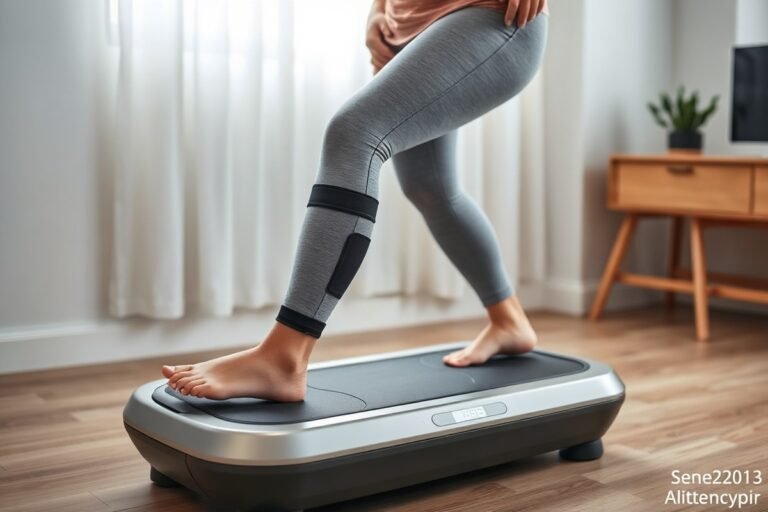
To integrate vibration therapy, use it after wearing compression garments or following manual lymphatic drainage sessions. Spend about 10 to 15 minutes on the vibration plate with gentle settings that you can tolerate comfortably. Combining this with low-impact exercise, such as walking or water aerobics, and a lipedema-friendly anti-inflammatory diet can improve circulation and reduce pain more effectively than any single method alone.
Different situations call for slight adjustments. For instance, on days when manual lymphatic drainage isn’t possible, a vibration session paired with compression can help maintain lymph flow. If swelling is severe, prioritize compression first and introduce vibrations gradually to avoid discomfort. Costs vary; vibration plates can range from a few hundred to over a thousand dollars, while compression garments usually require ongoing purchases but are often covered partially by insurance. Using vibration plates consistently, two to three times per week, can support your existing treatment plan and contribute to improved mobility and symptom relief over time.
Tracking Progress and Adjusting Vibration Plate Use over Time
Tracking your progress with vibration plate therapy means regularly assessing how your lipedema symptoms respond over time. Using a checklist can help you record key indicators like swelling, pain levels, skin texture, and mobility improvements or setbacks. Monitoring these factors weekly gives a reliable picture of whether the vibration plate is helping or if adjustments are needed.
Start by noting your baseline symptom status before increasing your usage. For example, you might log pain on a 1-to-10 scale, observe any changes in leg circumference, and record how long swelling lasts after activity. After four to six weeks, evaluate your records and adjust only one aspect of your vibration plate routine at a time, either frequency, duration, or vibration intensity, to avoid confusing cause and effect.
- Keep a weekly symptom log including pain, swelling, and skin changes
- Review progress every 4-6 weeks
- Adjust frequency, duration, or intensity one at a time
- Note any new discomfort or adverse effects promptly
- Discuss progress with a healthcare provider familiar with lipedema
- Consider factors like weight or BMI, extreme values may require professional guidance before altering vibration use
- Maintain consistency in timing and posture on the machine for accurate comparisons
Because lipedema can vary widely between individuals, some may tolerate longer durations or higher intensities better than others. If you experience increased pain or swelling, reduce usage or consult your healthcare professional before continuing. Weight and health conditions like cardiovascular issues might affect safe vibration plate use, so professional input is important if your BMI is very high or if you have other medical concerns. Tailoring your session length and intensity as you build strength ensures gradual adaptation without setbacks.
Step-by-Step Action Plan for Using Vibration Plates with Lipedema
Try this plan to safely add vibration plate therapy to your lipedema care and track its benefits over a month.
- Before you start: Choose a low-frequency vibration plate (around 20-30 Hz) and consult your healthcare provider to confirm it’s safe for you.
- Day 1: Begin with a 5-minute session standing and lightly flexing your knees, so you feel a gentle shake. Notice if you feel relaxed or more aware of your legs afterward.
- Week 1: Increase sessions to 10 minutes, twice a week. Track any changes in leg swelling or discomfort by journaling daily symptoms.
- After 2 weeks: Adjust to 12-15 minutes per session, three times a week. Add gentle calf raises while on the plate to boost circulation. Record if standing feels easier or less heavy.
- Week 3: Evaluate your comfort and symptom changes. If swelling or pain worsens, reduce frequency or consult your provider. Otherwise, maintain current use.
- Week 4: Combine vibration sessions with your usual lipedema management routine, like compression therapy or light walking. Note improvements in mobility or skin texture.
- After 1 month: Review your journal and decide if vibration therapy helps your symptoms. Consider continuing, modifying, or stopping based on your experience and professional advice.
Frequently Asked Questions
Can Vibration Plates Reduce Pain Caused by Lipedema?
Yes, they can ease pain by improving muscle activation and circulation, which helps reduce discomfort in affected limbs during consistent use.
Are Vibration Plates Safe for All Stages of Lipedema?
Generally, they are safe, but you should consult your healthcare provider, especially if you have severe symptoms or other health issues.
How Often Should I Use a Vibration Plate for Lipedema?
Using vibration plates 3 to 5 times a week for about 15 minutes can provide benefits without overdoing it.
Can Vibration Plates Replace Manual Lymphatic Drainage for Lipedema?
No, they complement but do not replace manual lymphatic drainage, which remains important for proper lymph care.
Do Vibration Plates Help Reduce the Fatty Deposits in Lipedema?
They may improve circulation and reduce swelling but don’t significantly reduce fatty deposits on their own.
The Bottom Line
Vibration plates can offer gentle support for improving circulation and reducing discomfort in lipedema when used carefully. Start slowly, listen to your body, and combine this therapy with your existing treatments. Consulting a healthcare professional before beginning ensures your safety and boosts your chances of positive results. Try a short, monitored session today to see how your body responds.