Are Kettlebells Better Than Dumbbells? What Actually Works for Your Goals
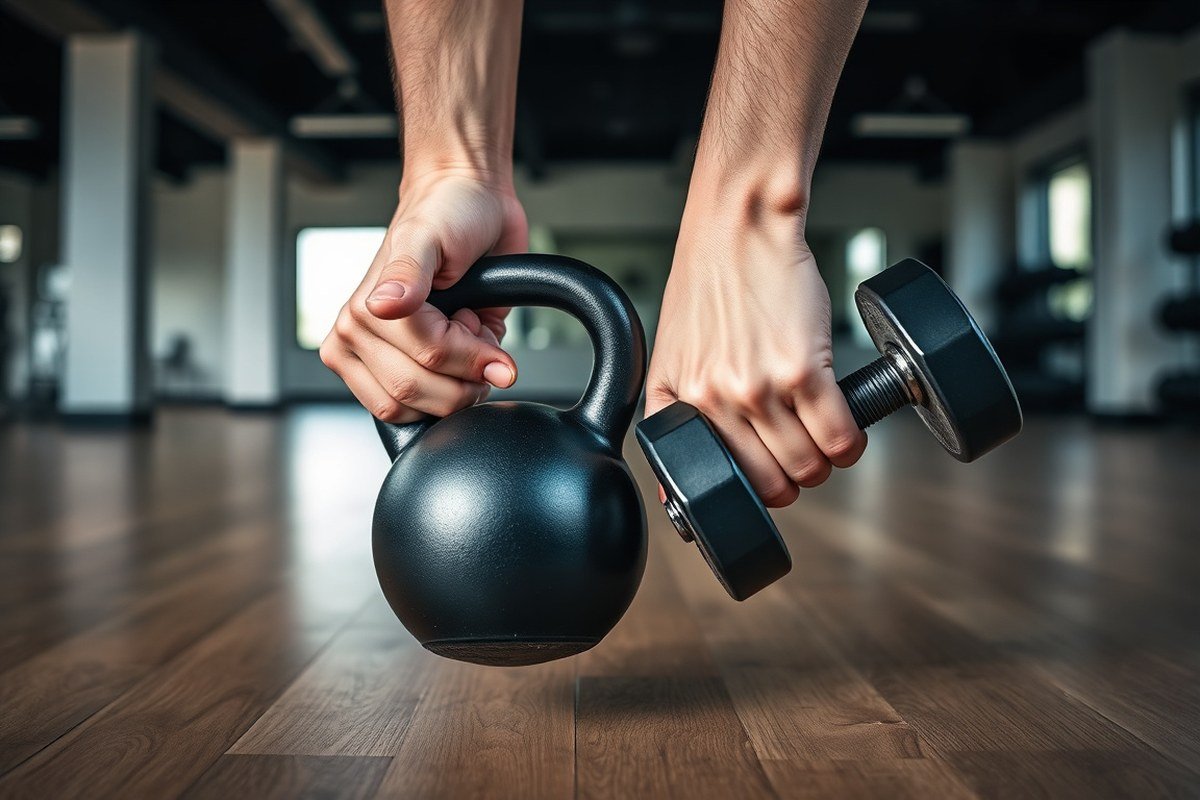
Are kettlebells better than dumbbells? For most lifters focused on hypertrophy, strength, or general fitness, neither has a clear advantage. Both tools build muscle and strength effectively; your choice depends on movement style and training goals. Start by considering the type of exercises you prefer and your workout priorities before investing in either kettlebells or dumbbells.
Key Takeaways
- Dumbbells allow precise weight increments, often increasing in 5-pound steps, supporting gradual strength progression.
- Kettlebells excel at dynamic, full-body movements that incorporate swings and ballistic exercises.
- Adjustable dumbbells can replace multiple sets, offering up to 50 or even 150 pounds per hand for heavy lifting.
- Kettlebells often come in fixed weights that range from roughly 8 kg (18 pounds) to 32 kg (70 pounds) for competition style models.
- Hypertrophy and general strength improve similarly with kettlebells or dumbbells, with visible changes after 8-12 weeks.
- Use kettlebells to improve power and coordination through swinging and explosive movements not easily replicated with dumbbells.
Are Kettlebells Better Than Dumbbells for Strength and Fitness?
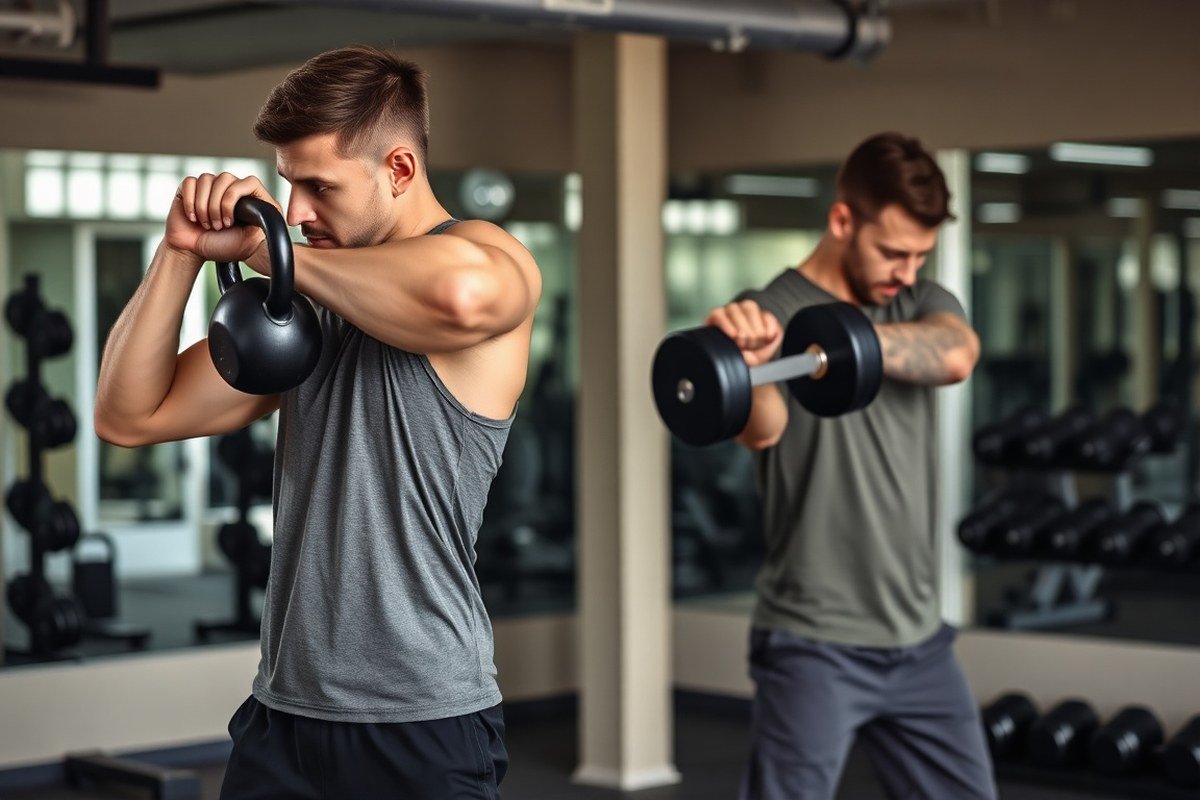
Dumbbells are generally better for building muscle because they allow more precise control over movement and better isolation of specific muscle groups. This precision results in a strength curve that closely matches traditional muscle-building exercises like curls, presses, and rows. You can progressively overload these movements by increasing weight or reps, which is key for hypertrophy. Kettlebells, by contrast, excel in more dynamic, functional movements like swings, cleans, and snatches that engage multiple muscles simultaneously but offer less isolated muscle activation.
Neither is inherently superior for overall strength or muscle gain. For about 90 percent of lifters, kettlebells and dumbbells produce similar results when used properly in resistance training. Dumbbells support conventional strength exercises where controlled and steady loads matter the most, making them ideal if your focus is traditional muscle growth and strength gains. Kettlebells can improve functional strength and metabolic conditioning, blending strength with cardiovascular benefits, which can accelerate fat loss more effectively than dumbbells.
The best strategy depends on your specific goals and the type of training you prefer. Incorporating dumbbells helps target hypertrophy with clear progressive overload, while kettlebells emphasize endurance and explosive power. For example, use dumbbells for barbell-like movements such as bench presses and lunges to focus on hypertrophy, and add kettlebell swings or snatches to boost conditioning and fat loss. Both tools require consistent, quality programming and proper technique for effective results, so your choice should align with the workouts you enjoy and the muscle groups you want to prioritize.
Key Differences in Design and Movement Between Kettlebells and Dumbbells
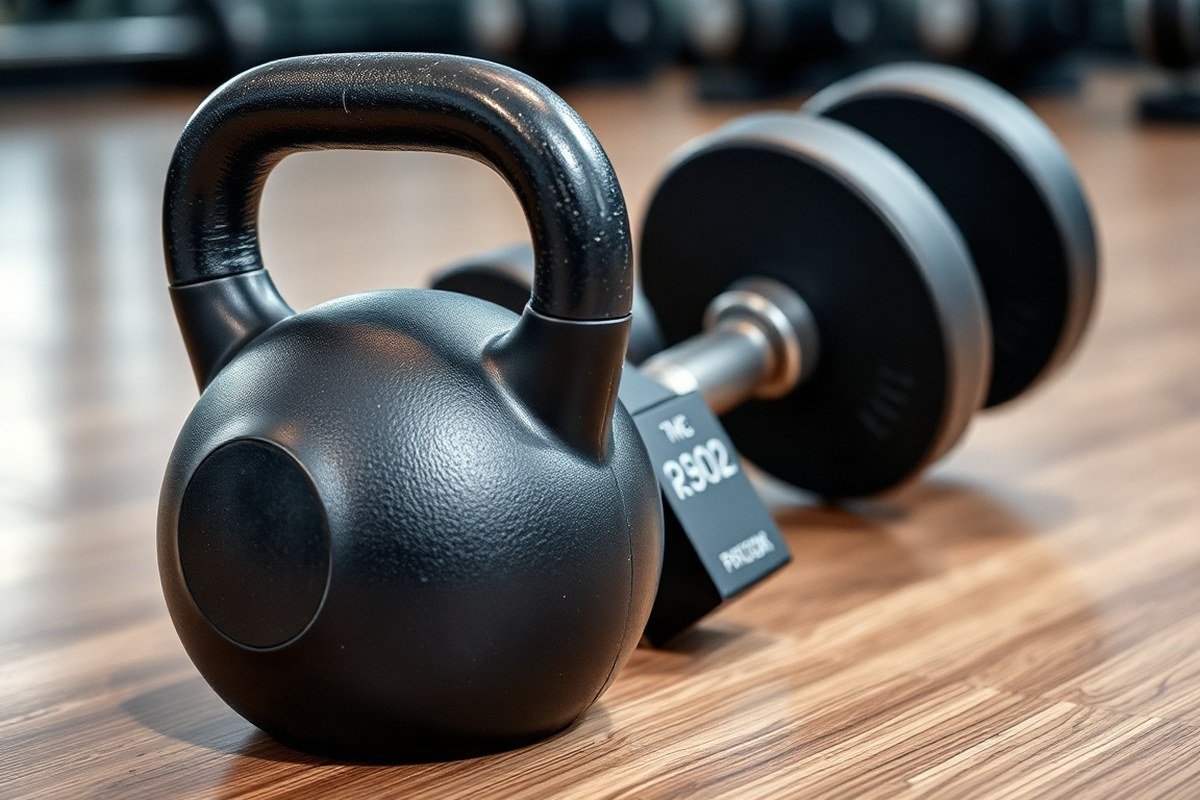
Kettlebells and dumbbells differ mainly in weight distribution, handle design, and grip feel. The weight on a kettlebell is centered below the handle, creating a Shifted center of mass that challenges your grip and wrist control during dynamic movements like swings and cleans. Dumbbells place weight evenly on both ends of a short bar, which helps keep your wrist in a more neutral, stable position for standard lifting exercises.
The kettlebell handle is wider and shaped like a horseshoe, allowing a secure two-handed grip. This design supports powerful, rapid motions with momentum, such as kettlebell swings, which dumbbells can’t replicate safely due to their narrow handles. Dumbbells typically have a thinner, straight handle that suits single-handed or alternating lifts with full wrist rotation, enabling diverse muscle targeting through different grip variations.
| Feature | Kettlebell | Dumbbell |
|---|---|---|
| Weight Placement | Centered below handle | Evenly on both ends of handle |
| Handle Type | Wide, horseshoe-shaped | Narrow, straight bar |
| Grip Options | Single or double-handed, firm grip needed for swings | Single-handed, allows full wrist rotation |
| Typical Materials | Cast iron or steel | Cast iron, steel, often coated with urethane or rubber |
The shifted weight distribution of kettlebells means your muscles engage differently, requiring more stability and endurance from your grip and forearms during swinging or ballistic exercises. This can improve athleticism by mimicking the demands of sports activities. Dumbbells, with balanced weight and more wrist mobility, work better for controlled lifts and muscle isolation. Choosing between them depends on your workout goals and which movement patterns you want to emphasize.
Which Exercises and Goals Suit Kettlebells Versus Dumbbells Best?
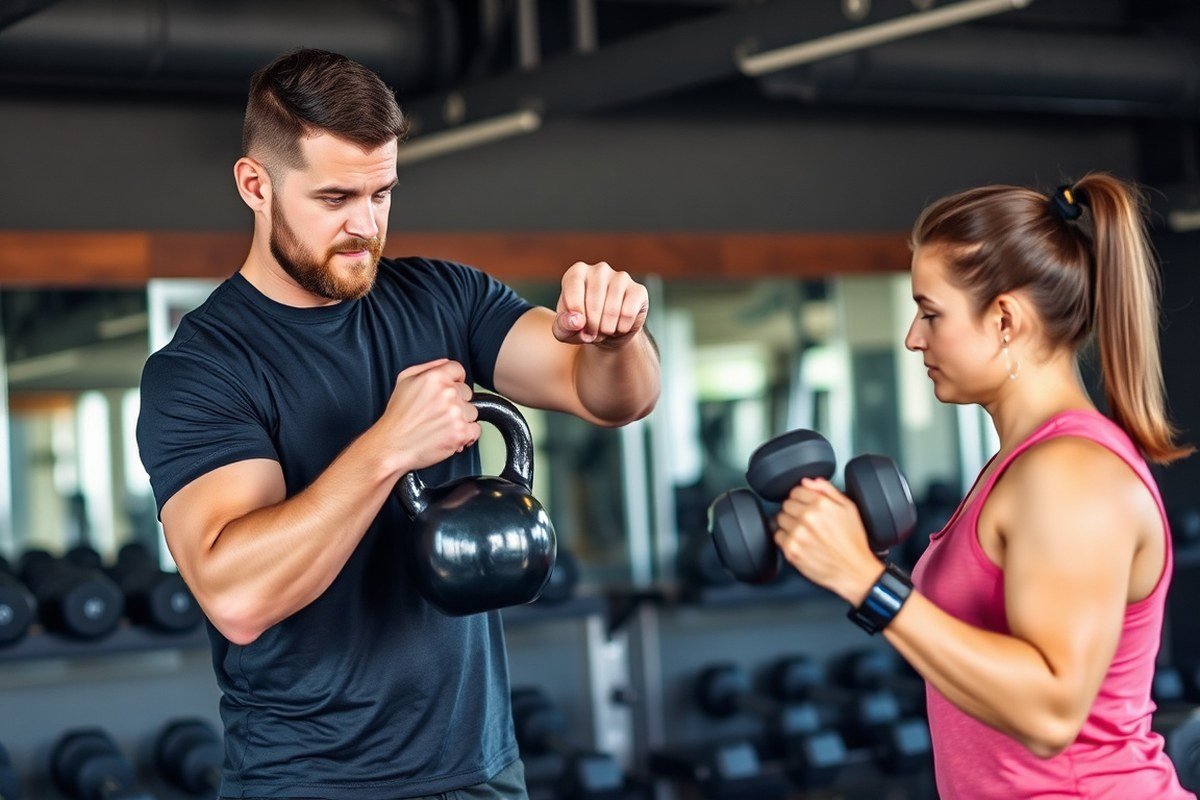
Kettlebells excel in dynamic, full-body exercises that focus on power, cardio, and mobility. Moves like swings, cleans, jerks, and snatches take advantage of the kettlebell’s unique shape and momentum, promoting explosive strength and elevating heart rate. These exercises train multiple muscle groups simultaneously while improving coordination and endurance. Practicing a proper kettlebell swing involves hinging at the hips, maintaining a neutral spine, and driving the hips forward to propel the weight, making it a powerful cardio-strength hybrid. Consistent use can improve explosive power and cardiovascular fitness over weeks while improving joint mobility. However, without proper form, you risk lower back strain or injury, so instruction or coaching is advised.
Dumbbells serve best with controlled, joint-isolating movements aimed at hypertrophy and balanced strength development. Exercises like bicep curls, chest presses, lateral raises, and goblet squats allow precise muscle targeting and load increment. Dumbbells offer equal loading on each side, helping identify and correct muscle imbalances. Performing a dumbbell chest press requires lying on a bench with a dumbbell in each hand, lowering them slowly, and pressing upward in a controlled manner, which builds muscle size and strength safely over time. Dumbbells are widely available in gyms and affordable for home use, making them accessible tools for progressive overload training. They aren’t as effective at generating power or cardio intensity but excel at controlled muscle growth.
- Kettlebell exercises: swings, cleans, jerks, snatches, Turkish get-ups for power and cardio
- Dumbbell exercises: curls, presses, rows, lateral raises, goblet squats for hypertrophy and balanced strength
- Kettlebells better suit workouts focused on cardio and explosive power due to momentum-based moves
- Dumbbells provide greater control, ideal for muscle isolation and gradual strength gains
- Beginners may find dumbbells easier to master movement patterns at slower tempos
- Kettlebell training requires learning safe swinging and locking techniques for joint protection
Choosing the right equipment depends on prioritizing your goals: dynamic, power-based circuits and cardio benefit from kettlebells’ swinging actions, while slow and steady resistance training aimed at hypertrophy favors dumbbells. Combining both can offer a balanced approach where each tool complements different training demands in your routine.
Practical Decision Guide for Choosing Kettlebells or Dumbbells
Dumbbells are generally safer and easier for beginners because they offer better stability and demand less technical skill. Kettlebells require mastering movements like swings and snatches, which need good coaching to avoid injury. Choose dumbbells if you’re just starting out or prefer straightforward lifting.
Space and budget also matter. Dumbbells often come as adjustable sets, so you can have multiple weights without needing much room, usually costing between $50 and $200 for a decent set. Kettlebells are sold individually and can be more expensive per weight, plus they need extra room to swing safely. If your space is limited or your budget tight, dumbbells are the more practical choice.
Exercise goals should guide your purchase. Pick kettlebells if you want to improve power, coordination, and perform dynamic full-body flows. They excel at functional movement patterns and cardio-strength combinations. Opt for dumbbells when focusing on traditional strength training with a wide weight range, isolation exercises, or slow controlled lifts.
- For beginners: Start with dumbbells to build foundational strength and form.
- Limited space: Choose adjustable dumbbells for compact storage.
- On a budget: Dumbbells generally offer more versatile weight options per dollar.
- Want dynamic full-body workouts: Kettlebells are better for swings and flows.
- Need variety and progression: Dumbbells provide a wider weight range for gradual overload.
- Injury concerns: Use dumbbells for safer, controlled movements to avoid strain.
- Advanced training: Add kettlebells for explosive power and coordination challenges.
You can combine these tools if you have enough space and budget, gaining both the controlled strength development from dumbbells and the dynamic, functional training from kettlebells. Focus on what fits your current fitness level, space, and goals, then progress from there safely.
Common Training Mistakes with Kettlebells and Dumbbells and How to Fix Them
Common training mistakes with kettlebells often include using too heavy a weight and neglecting proper form during swings or snatches. These errors can lead to lower back strain or joint pain. Using improper wrist positioning or rushing the movements reduces effectiveness and raises injury risk. To fix this, start with a lighter kettlebell that allows you to maintain control and smooth motion. Focus on hip hinge technique during swings instead of bending at the back. Practicing slow, deliberate reps builds correct muscle activation before increasing speed or weight.
With dumbbells, a frequent mistake is lifting weights that are too heavy too soon or choosing uneven weights for unilateral exercises. This can cause muscle imbalances and overuse injuries. Another issue is neglecting full range of motion, usually to push more reps. Correct these by gradually increasing dumbbell weight in 5-pound increments or less and ensuring balanced loads for each arm. Prioritize controlled movements through the entire motion to maximize muscle engagement.
- Start with a manageable weight, not max effort.
- Maintain proper wrist and joint alignment throughout exercises.
- Focus on form over speed to avoid momentum trading strength.
- Use incremental weight increases to reduce injury risk.
- Perform movements with full, controlled range of motion.
- Ensure balanced loading in unilateral dumbbell exercises.
- Allow adequate rest and listen to your body’s signals of strain.
Following these steps can help safeguard you from injury and improve your training results. They require patience and discipline but pay off by building strength safely and effectively. Regularly reviewing your form in front of a mirror or recording your sessions can help identify mistakes early. If pain persists during any movement, stop and consult a trainer or medical professional before continuing.
Start Strong: Your First Steps with Kettlebells or Dumbbells
Begin your strength journey by focusing on proper form and consistency. Use this simple plan to get comfortable and track your progress.
- Day 1: Choose the equipment that matches your goals, kettlebells for dynamic whole-body moves or dumbbells for isolated strength work. Test a basic exercise like the kettlebell swing or dumbbell curl to feel the difference.
- Week 1: Learn and practice fundamental exercises, focusing on form rather than weight. Record your session or ask a friend if your movements look smooth and controlled.
- Week 2: Add weight gradually once your form is solid. You’ll know it’s time if the last 2 reps feel challenging but doable without losing technique.
- Week 3: Introduce variety by combining both kettlebell and dumbbell exercises if possible. Track how your body feels after workouts to spot which tool suits you best for recovery and energy.
- Week 4: Increase workout intensity by adding sets or reps, or by shortening rest times. Keep a journal to note improvements in strength or endurance.
- After 1 Month: Reassess your goals and equipment choice. If you want more power and coordination, lean toward kettlebells; for muscle building and control, dumbbells might be preferable.
Frequently Asked Questions
Can Kettlebells Replace Dumbbells in Every Exercise?
Kettlebells can’t replace dumbbells for all exercises because dumbbells suit static strength moves better. Use kettlebells mainly for dynamic movements like swings and snatches.
Do Kettlebells or Dumbbells Offer Better Grip Training?
Kettlebells usually offer better grip training due to their thick handles and offset weight, challenging your forearms more than dumbbells.
Are Kettlebells or Dumbbells Safer for Home Workouts?
Dumbbells are generally safer for home use because they’re easier to control and less likely to swing unpredictably like kettlebells do.
Is It More Cost-Effective to Buy Kettlebells or Dumbbells?
Dumbbells often come in adjustable sets, offering versatility for less space and cost compared to buying multiple kettlebells of different weights.
Which Burns More Calories, Kettlebell or Dumbbell Workouts?
Kettlebell workouts usually burn more calories since they involve more full-body, dynamic movements than typical dumbbell routines.
Key Points to Remember
Choosing between kettlebells and dumbbells comes down to your fitness goals and preferred training style. Both can build strength effectively when used correctly. Start with exercises that feel manageable and keep track of how your body responds. Take action now by picking one piece of equipment and committing to consistent workouts, your progress will show in weeks.