Are Adjustable Dumbbells Safe? Essential Insights and Safety Tips
Are adjustable dumbbells safe for home use? Yes, they can be safe if you choose a well-built model with secure locking mechanisms and follow proper care routines. Ensuring the selector system is reliable and inspecting your dumbbells regularly helps prevent accidents and extends their lifespan.
Start every session by checking the dumbbells for loose parts and performing a light shake test before lifting. This simple step helps confirm the weights are securely attached and ready for safe use.
Key Takeaways
- Choose adjustable dumbbells with positive locking mechanisms and a solid warranty, like SmartBells with a 36-month warranty.
- Inspect your dumbbells before each use by lifting them six inches and gently shaking to check for looseness.
- Avoid dropping or setting adjustable dumbbells down hard to protect the selector system and maintain safety.
- Adjustable dumbbells topping out at 50 pounds are common; lifters using weights above 60% of their max should prefer fixed weights.
- Regularly clean and inspect selector dials and locking pins to ensure smooth operation and prevent accidental plate release.
- Keep adjustable dumbbells out of reach from children due to potential pinch points and heavy plates.
Are Adjustable Dumbbells Safe for Home Use?
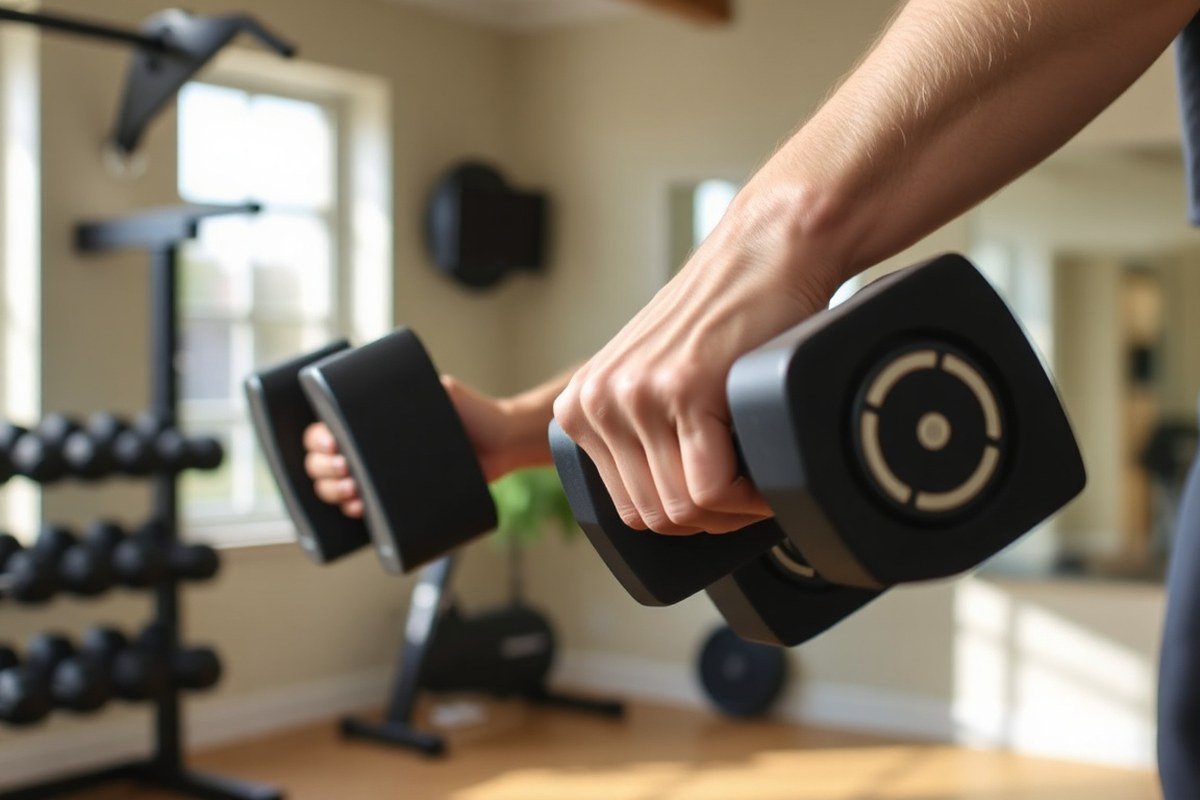
Adjustable dumbbells are generally safe for home use when you select a quality product and use it correctly. The main safety concern revolves around whether the weight plates securely lock onto the handle during lifts. If the locking mechanism holds firmly, the dumbbells perform much like fixed weights and minimize risks.
Because adjustable dumbbells rely on mechanical selectors, they have a moderate risk of failure compared to fixed dumbbells, which have no moving parts. This means you must inspect the locking system carefully before each use and avoid exercises involving sudden movements or drops that can jar the plates loose. Proper handling includes smoothly adjusting weights, avoiding rapid drops, and setting the dumbbells gently on a padded or secure surface to protect the mechanism and maintain safety.
Purchasing a well-made set often costs between $150 and $600 but increases durability and locking security. Durable models can last 10 to 20 years with regular maintenance. Storing dumbbells in a safe place reduces the chance of them being knocked over or damaged, further lowering injury risk. The convenience of adjustable dumbbells, occupying only 2 to 3 square feet compared to a full rack, makes them popular for limited spaces but do require respect for their unique setup.
In home environments, your safety also depends on consistent habits like examining the selector system for looseness or wear and stopping use immediately if anything feels unstable. Adjustable dumbbells offer safe, effective training tools when their limits are understood and precautions taken. Their safety aligns closely with how well you maintain and handle them rather than just the design alone.
How Do Adjustable Dumbbells Work and Where Can They Fail?
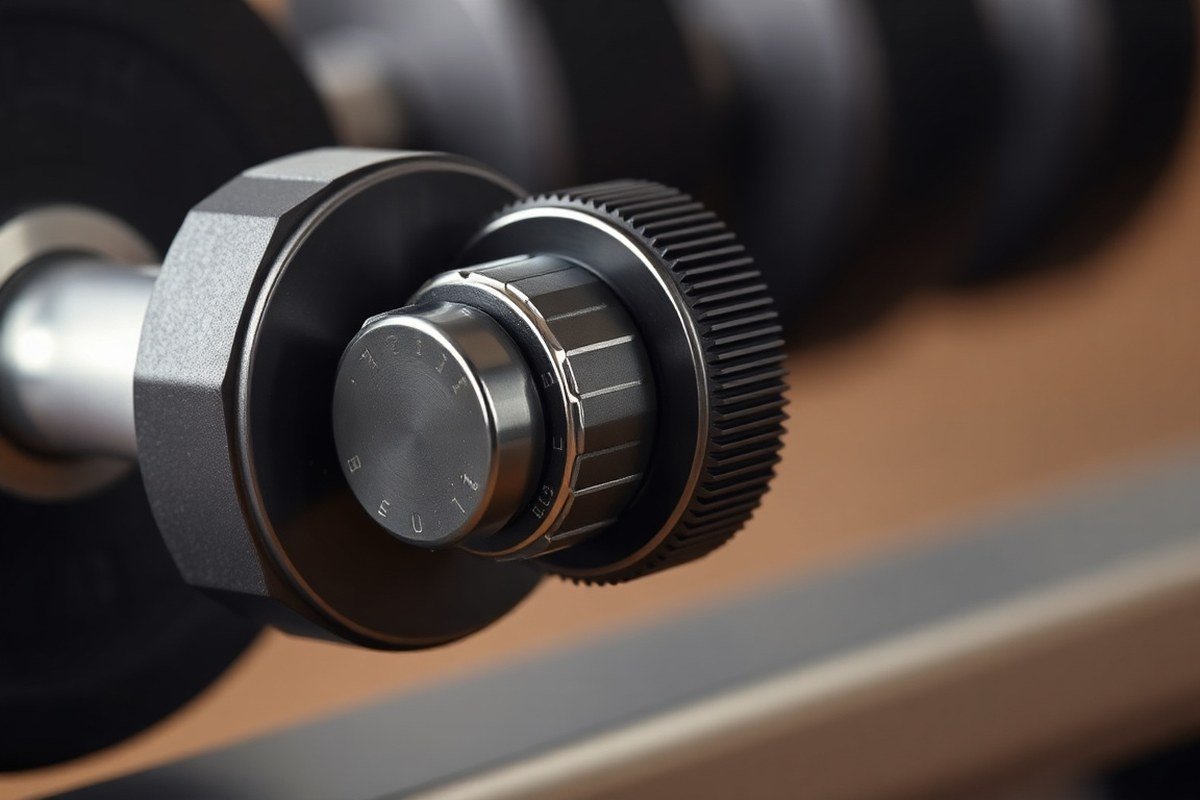
Adjustable dumbbells work through a selectorized system that allows the handle to connect only to the weight plates you choose. This mechanism typically involves a locking component that securely grabs specific plates when you set the desired weight. The handle acts as the connection point, and the plates are stacked alongside it. When you adjust the dumbbell, the locking system either engages or disengages plates, so you only lift the chosen weight. This design offers convenience by replacing multiple fixed dumbbells with one set that covers a range of weights, generally up to 70 pounds for standard home use.
The moving parts inside adjustable dumbbells require careful handling because they are the most common points of failure. The locking mechanisms need dexterity and precision to function correctly; if these components wear out, loosen, or get damaged, plates can slip or disconnect unexpectedly. Mechanical failures often occur from dropping them or using weights beyond the design limits, especially when doing max-effort, low-rep lifts. Adjustable dumbbells are not built for heavy ballistic moves and must be treated as precision equipment to avoid damage.
Another frequent issue happens with the weight plates themselves or their securing parts. Thinner plates or worn locking tabs can deform, which compromises the stability of your dumbbell. Over time, improper use or rough handling leads to warping or cracking, which affects safety and function. The width of adjustable dumbbells increases with heavier weights because plates stack along the handle, so exercises requiring overhead clearance might cause unexpected impacts that stress the mechanism.
| Component | Function | Common Failure |
|---|---|---|
| Locking mechanism | Selects and holds specific plates on the handle | Becomes loose or breaks due to wear, dropping, or overloading |
| Weight plates | Provide adjustable resistance in increments | Warping, cracking, or deformation from impact or repeated misuse |
| Handle | Connects user grip to selected weights | Damage from drops or harsh impacts, affecting connection accuracy |
Common Causes of Adjustable Dumbbell Failure and Accidents
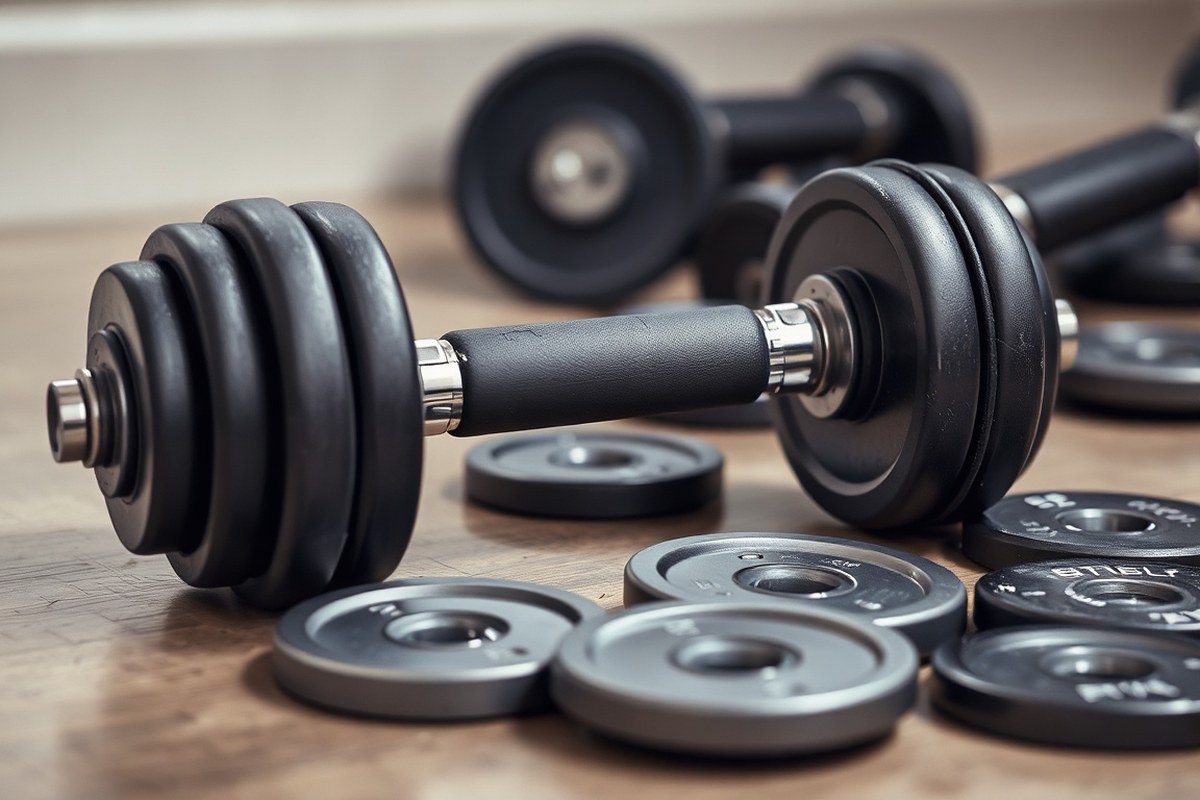
Adjustable dumbbells can fail mainly due to impacts, locking mechanism issues, and improper use. Dropping them, even from a short height, risks cracking the plastic housing and bending internal metal guide rods. This damage can cause weight plates to become loose or fall off mid-lift, which is dangerous and a common warranty claim issue. For example, dropping a 50-pound dumbbell repeatedly can shear locking pins, ruining the system that keeps plates securely fastened.
The locking mechanism is critical. Most adjustable dumbbells use one of three types: a rotary dial, a sliding pin, or a cradle locking system. Each method must maintain a Secure hold on the plates under load and movement. Problems occur when lock components wear down or are misaligned, allowing plates to dislodge unexpectedly. This risk increased enough that a major brand recall in June 2025 addressed dumbbells that released plates during lifts. To avoid this, regularly check that the lock feels tight and the dumbbell lifts plates evenly without play.
Misuse also contributes to failure. Uneven plate loading, for example placing more weight on one side, can strain the locking system. Exercises placing direct pressure on dials or selectors, like renegade rows, can damage the mechanism. Gradually increasing weight and ensuring symmetrical loading improves longevity. Avoid dropping dumbbells, setting them down hard, or using them beyond their weight rating, most adjustable sets max out between 50 and 90 pounds per hand, depending on the model.
Good results mean a dumbbell set that stays solid during use without any shifting parts. What goes wrong often involves hidden damage from impacts or rough handling, leading to sudden locking failures or plate drops, which pose injury risks. Investing a little time in proper handling and inspecting the locking system for tightness can prevent these issues and keep your adjustable dumbbells safe to use.
How to Inspect and Maintain Adjustable Dumbbells Safely
Inspect your adjustable dumbbells before every set to prevent accidents caused by loose or improperly locked plates. Start by ensuring the dumbbell sits flat and secure in its tray. Select your desired weight and then lift the dumbbell just 1 to 2 inches off the tray, gently shaking it to check for wobble or rattling. You should not use the dumbbell when you notice any movement of the plates until you tighten the locking mechanism or realign the plates properly.
Regular maintenance extends the life of your dumbbells and keeps them safe to use. Clean the selector dial or pins with a dry cloth to remove dust and sweat after each workout. Avoid dropping adjustable dumbbells; that can damage the locking system and plates. Store them in a dry area to prevent corrosion, especially if you live in a humid climate or use chalk during your workout. Check your dumbbells at least once a month for worn or damaged parts and replace components according to the manufacturer’s instructions.
- Verify the dumbbell is set evenly to the same weight on both sides
- Lift the dumbbell 6 inches and give a gentle shake to detect loose plates
- Ensure the selector dial clicks firmly into each weight notch
- Clean selector mechanisms and metal plates regularly to avoid jams or rust
- Store dumbbells in their cradles on a flat surface, not directly on the floor
- Inspect for cracks or bending in the frame and replace parts if necessary
Following this checklist costs only a few minutes before your workout and no special tools. Good results look like quiet, solid plates with no shifting during lift-off. You must avoid using the dumbbells when you detect any looseness until they are repaired; repeated use raises the risk of injury and damages the equipment. For sets with dial selectors, reacting promptly to any creaks or difficulty turning the dial will keep your dumbbells safer for years.
Are Adjustable Dumbbells Safe to Drop or Set Down Hard?
Adjustable dumbbells are not designed to be dropped. Unlike fixed dumbbells that can sometimes be safely lowered or dropped onto a thick mat, dropping adjustable dumbbells risks serious damage to their internal mechanisms. The weight plates, selector parts, and plastic coatings can all suffer dents, cracks, or misalignments. This damage compromises the locking system that holds the selected plates in place, creating an unsafe condition for your next lift.
The main risk stems from the fact that once the mechanism is damaged, your dumbbell can unexpectedly lose weight plates mid-exercise. This can cause injury to you or damage to your flooring. Avoiding harsh impacts preserves the precision of the selector and keeps the dumbbell safe to use. Firmly setting down your dumbbells onto a flat, cushioned surface is the best practice. Use a rubber gym mat or another thick, non-slip padding of at least 1/4 inch thickness to absorb shock and prevent scratches or cracks.
In cases where you must put down your adjustable dumbbells quickly, lower them gently and avoid any bouncing or dropping motions. Make sure to keep fingers and toes clear to reduce the risk of pinching or crushing injuries if parts shift. If you notice any looseness or unusual noises after handling, inspect the dumbbell thoroughly before resuming use. Damaged adjustable dumbbells should be repaired or replaced promptly as recommended by the manufacturer to avoid accidents.
For home gym users frequently performing fast or dynamic lifts, investing in a separate set of fixed dumbbells may be appropriate. These handle dropping and harder impacts better than adjustable sets, providing safer equipment during rapid movements. You can still use adjustable dumbbells for controlled presses and rows where speed and vigorous dropping do not occur. Establish clear handling rules like no dropping and always setting down on appropriate mats to protect your equipment and yourself.
Do Adjustable Dumbbells Pose Extra Hazards Around Children?
Adjustable dumbbells can pose additional risks in homes with small children due to their weight, moving parts, and compact design. Kids may be curious and attempt to pick them up or play with the locking mechanisms, which increases the chance of dropping or pinching injuries. A 70-pound adjustable dumbbell may feel heavier than a fixed weight of the same rating, making accidental drops potentially more harmful. Keeping these hazards in mind is key to reducing the risk of accidents.
Safe storage and handling are important to prevent injuries. Adjustable dumbbells often come with trays or docks to keep plates secured, but these should not be within easy reach of children. Using locked or high shelves, closets, or dedicated gym cabinets can create a controlled environment where children cannot access the weights. This prevents unintentional use or accidents and keeps your living space tidy.
- Store dumbbells on a high shelf or in a locked cabinet outside of children’s reach
- Use dedicated storage trays that lock the plates in place firmly when not in use
- Keep dumbbells away from busy or play areas to avoid trips or falls
- Teach children not to touch gym equipment and explain the dangers clearly
- Secure the workout space with baby gates or barriers if needed
Investing time in proper setup might take 10, 15 minutes initially but reduces hazards significantly. In frequent use areas, remember to place the trays on sturdy surfaces to prevent tipping or sliding when adjusting weights. Regularly check that locking mechanisms work correctly and that no parts loosen, as loose weights can slide off and cause injury. Following these precautions can help make adjustable dumbbells safer in family homes with young children.
Who Should Be Extra Cautious Using Adjustable Dumbbells?
People who should take extra care when using adjustable dumbbells include older adults, heavy lifters exceeding 90 pounds per hand, and those with limited hand strength or dexterity. These groups face higher risks because the mechanisms on adjustable dumbbells require precise handling and grip strength to change weights safely. For example, older adults or individuals with arthritis might find it painful to twist or click the adjustment dials, increasing the chance of dropping weights accidentally.
Heavy lifters working with loads above 60% of their one-rep max should consider fixed dumbbells instead. Adjustable dumbbells are not designed for very heavy strength training or failure sets without a spotter. Fixed weights provide a more stable and secure option for exercises like rows, squats, and heavy pressing variations that demand maximum load and stability. To use adjustable dumbbells safely if you’re in these groups, follow these steps:
- Check the locking mechanism fully engages before lifting each time.
- Avoid loads above 90 pounds per hand due to increased mechanical stress and risk.
- Take extra time adjusting weights to prevent slips or partial locks.
- Use gloves or grips if hand strength or arthritis makes adjustment difficult.
- Perform lighter warm-up sets to test the adjustment system before heavy lifts.
- Don’t drop adjustable dumbbells; set them down carefully on a stable surface.
- Have a spotter or switch to fixed weights for failure or maximum effort training.
Following these guidelines helps reduce injury risks and equipment damage. Proper care and cautious handling are essential for those with mobility limitations or those lifting near the upper weight range of most adjustable dumbbells, which typically max out around 90 pounds per hand. Ignoring these precautions could lead to equipment failure or accidents during your workout.
Safety Comparison: Adjustable Dumbbells Versus Fixed Weights
Adjustable dumbbells pose different safety risks compared to fixed weights, largely depending on the exercise and your home environment. Fixed dumbbells tend to be safer for heavy lifting, especially near your max limit or when dropping weights is common. Adjustable dumbbells require careful handling; the selector mechanism must lock correctly to avoid weight slippage. You should consider fixed dumbbells if you have limited space but prefer simplicity and fewer maintenance needs.
The main safety differences come down to risk factors like weight stability and handling, accident likelihood, and cost efficiency in a home gym setting. Adjustable dumbbells save space and cost less than an equivalent set of fixed weights but might lead to injury if the weight plates are not secured. Fixed dumbbells are less forgiving if dropped but avoid mechanical failure risks. Kerr and colleagues advise having a spotter or workout partner for free weights, which may be impractical at home, increasing the importance of safer equipment like fixed dumbbells when training alone.
| Aspect | Adjustable Dumbbells | Fixed Dumbbells |
|---|---|---|
| Weight Stability | Dependent on selector lock; risk of plate shifting if not secured | Solid, no moving parts; stable during use |
| Risk When Dropped | Higher if dropped hard due to loose parts; not designed for drop | More durable; can be used on thick mats safely |
| Load Range | Typically up to 50, 90 lbs; cost-efficient for multiple weights | Unlimited weights but expensive to cover many options |
| Maintenance Required | Regular inspection needed of selector mechanism | Minimal; mainly keep clean |
| Suitability for Heavy Lifts | Not recommended for near-max or heavy deadlifts | Better suited for max effort and heavy loads |
| Space and Cost Efficiency | Compact, saves space and money | Requires more storage space and higher upfront cost |
Choose fixed dumbbells if your routine involves heavy lifts or frequent dropping, and you want to minimise mechanical risks. Opt for adjustable dumbbells if you need more versatility within limited space and are confident about locking each weight securely before use.
How to Choose Safe Adjustable Dumbbells: Brands and Features
Focus on brands known for durable Locking mechanisms and solid construction when choosing adjustable dumbbells. Heavy-duty models like PowerBlock and Ironmaster stand out because their locking systems resist loosening, even with occasional drops, unlike some dial designs that can wear out faster. This durability improves safety by preventing weight plates from slipping during your workout.
Look for features that contribute to a stable and secure grip. Check if the handle has a textured surface or ergonomic design to reduce slipping. The locking mechanism should engage firmly with an audible click or visible indicator so you know the weight is secured. Ideally, the adjustment system should allow you to change weights quickly but without play or wobble when locked in place. Here is a checklist to select safe adjustable dumbbells:
- Select brands with heavy-duty locking systems, like PowerBlock or Ironmaster
- Test the locking mechanism by attempting gentle wiggles after engagement
- Choose handles with non-slip texture or rubberized grips
- Look for clear weight markings and simple adjustment methods
- Check for a strong warranty covering mechanical parts for at least one year
- Read user reviews specifically mentioning safety and build quality
- Purchase from reputable sellers who offer customer support and part replacements
Expect to pay between $300 and $600 for reliable models with improve safety features. Cheaper options might save upfront costs but increase risk if their locking systems loosen over time. Always follow the manufacturer’s instructions on adjustment and storage to keep components working as designed. Good results mean the dumbbells feel solid, the plates stay securely locked during use, and adjustment takes just a few seconds without force. Problems arise when locks wear out or parts feel loose, indicating a need for replacement or professional inspection.
What to Do If Your Adjustable Dumbbell Locking Feels Loose or Unsafe
Stop using your adjustable dumbbells immediately if the selector or locking mechanism feels loose or unsafe. Continuing to use dumbbells with a compromised locking system increases the risk of plates slipping or falling during exercise, which can cause injury or damage. The locking mechanism ensures the plates stay securely in place, so any looseness requires prompt attention.
First, carefully set the selector dial to the desired weight and listen for a clear click. If the dial feels vague, gritty, or does not firmly lock, do not lift the dumbbells. Check for visible wear or damage on the locking parts and selector pin. These components can wear out over time and may need replacement to restore safety.
- Stop using the dumbbells immediately when you feel looseness in the locking mechanism.
- Inspect the selector dial and locking pin for wear, dirt, or damage.
- Contact the manufacturer or authorized dealer for replacement parts designed specifically for your model.
- Follow manufacturer instructions carefully when installing new parts or performing repairs.
- Test the locking mechanism after repair by turning the dial fully and confirming a firm click before lifting.
- Avoid forcing the selector dial if it feels stuck to prevent further damage.
- Consider professional inspection if you are unsure about the dumbbell’s condition.
Repairing worn parts usually involves ordering replacements directly from the manufacturer, which can take several days and usually costs $10 to $50 depending on the part. Proper maintenance and prompt replacement keep your adjustable dumbbells safe to use and protect you from accidents that occur with faulty locking. Always treat the selector and locking system with the same caution you would a barbell collar to avoid injury or equipment failure during workouts.
Step-by-Step Action Plan for Safe Adjustable Dumbbell Use
Follow these steps to keep your adjustable dumbbells safe and to minimize injury risk during your home workouts.
- Before your first use: Inspect the locking mechanism and weight plates for damage or looseness; make sure everything clicks securely into place.
- Week 1: Practice changing weights on a stable, flat surface without rushing; ensure each adjustment feels firm before lifting.
- Week 2: Begin using the dumbbells in your routine, avoiding dropping or setting them down hard to protect the mechanism; you’ll know it’s working if no parts loosen over several sessions.
- Every workout: Check the locking system visually and by lightly shaking the dumbbells; if anything wiggles or feels loose, stop and tighten or inspect again.
- Monthly: Clean the dumbbells, especially the locking parts, to prevent dirt buildup that can cause failure; smooth adjustments and no unusual noises indicate good upkeep.
- After 3 months: Reassess your dumbbells for wear signs like cracking or rust on metal parts; replace or repair immediately if you spot damage.
- Ongoing: Keep dumbbells out of children’s reach and educate household members about the risks to avoid accidents.
Frequently Asked Questions
Can Adjustable Dumbbells Cause Injuries More Often Than Fixed Dumbbells?
No, adjustable dumbbells are not more injury-prone than fixed ones when used correctly and the weights stay locked securely during lifts. Proper handling and choosing quality sets reduce risks significantly.
What Should Be Avoided to Maintain the Safety of Adjustable Dumbbells?
Avoid dropping or setting them down hard and don’t exceed recommended weight limits to prevent damaging the locking mechanism or plates. Gentle use extends the lifespan and keeps them safe.
Are There Specific Adjustable Dumbbell Designs That Are Considered Safer?
Yes, models with positive locking mechanisms and durable construction are safer. Prioritize brands with strong warranties and clear safety features to ensure the weights remain securely attached.
How Often Should You Inspect Adjustable Dumbbells for Safety?
Inspect them before each workout session for loose parts or cracks, especially around the selector and locking areas. Frequent checks help catch problems early and keep you safe.
Can Adjustable Dumbbells Be Safely Used by Beginners?
Yes, beginners can safely use adjustable dumbbells if they start with low weights and learn proper form. Gradually increasing weight and paying attention to the locking system helps avoid injuries.
Wrapping Up
Adjustable dumbbells can be safe when used with care, maintained regularly, and chosen wisely based on quality. Taking simple precautions protects you and those around you. Check your equipment today, and make sure every lift feels solid and secure before you progress your workouts.