Are Deer Run Treadmills Any Good? A Complete Guide to Features and Value
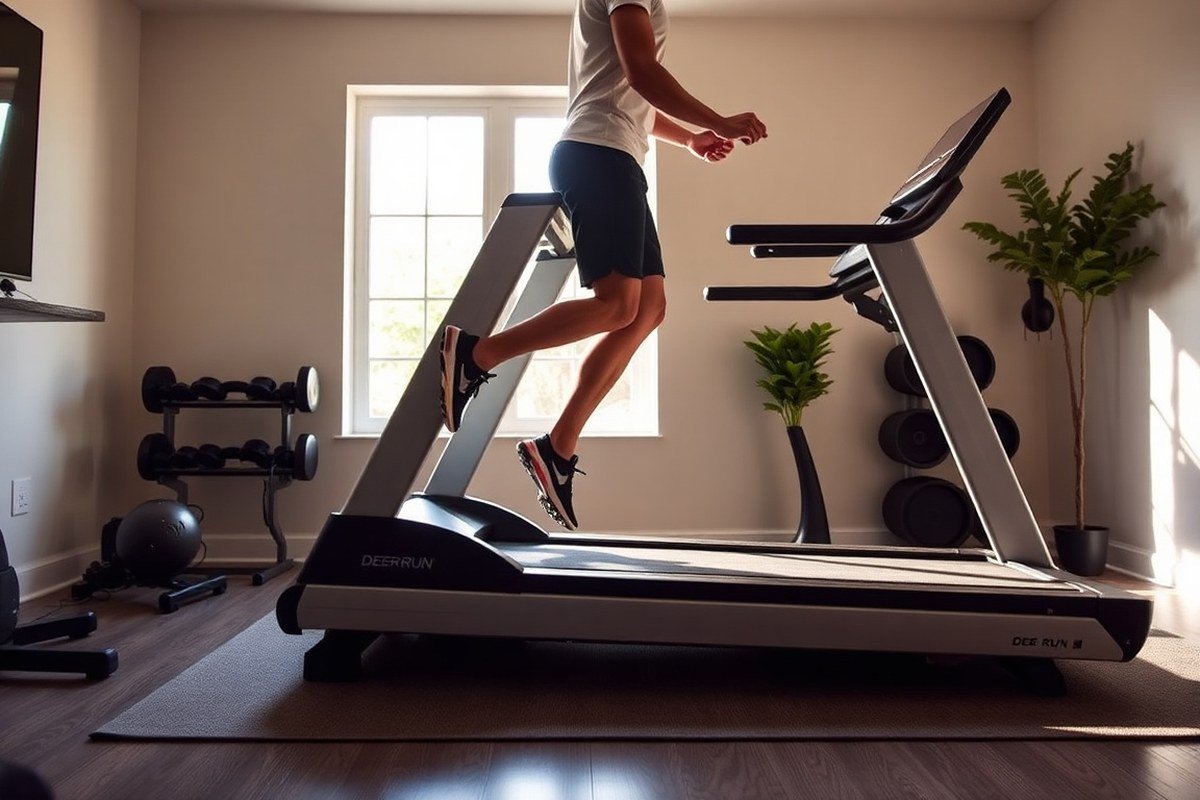
Are Deer Run treadmills any good depends mainly on your fitness goals and budget. They offer reliable walking pads and entry-level treadmills priced under $500, with decks suitable for walking and light jogging. Start by choosing a model that matches your body weight and workout intensity for the best experience.
Key Takeaways
- Deer Run treadmills have deck widths ranging from 16.5 to 20 inches, which fits walking and light jogging comfortably.
- The motor power on most Deer Run units suits walking and light use, ideally with a 2.0 HP motor for mostly walking workouts.
- Weight capacity for Deer Run treadmills typically maxes out between 220 and 265 pounds, so pick a model that matches your weight.
- Higher-end Deer Run models offer powered incline features up to 20%, useful for varied workouts.
- Compact Deer Run walking pads start near $140, making them affordable options for light exercise.
- Full-size, folding Deer Run treadmills cost under $500, offering decent value for casual users.
Are Deer Run Treadmills Reliable and Worth It?
Deer Run treadmills are generally reliable for casual to moderate home use, making them a practical choice if you mainly walk or jog. Their construction features solid frames and decks, typically 16 to 20 inches wide, which support regular daily exercise without wobbling. The 2.5 to 3.0 HP motors provide enough power for light running, though they may not suit vigorous training or heavier users over 220 pounds. Quiet operation is another advantage that fits well in small spaces or apartments.
The brand earns trust for offering good value compared to similarly priced home treadmills. You’ll find Deer Run machines priced under $500 for full-size folding treadmills and even more affordable walking pads starting near $140, which helps if budget is a priority. Warranty coverage and electronic components meet average standards but do not exceed what’s typical for entry-level models.
Buying Deer Run treadmills makes sense if you want dependable equipment without extra bells and whistles. Still, expect some trade-offs in long-term durability and customer support responsiveness. These compromises matter more if you plan heavy use or fancy complex features, because parts and service may lag behind premium brands. You can enjoy good satisfaction over several years with Deer Run treadmills by sticking to their workout limits and maintaining them well.
For best results, match the model to your fitness routine and body type. Avoid pushing the motor beyond moderate speeds or incline levels to reduce wear. Assembly is straightforward but should follow instructions carefully to preserve stability. These treadmills offer dependable, budget-friendly performance suited for beginner to intermediate users who want to walk or jog lightly at home.
How Good Are Deer Run Motors and Walking Belts?
Deer Run treadmill motors typically range from 2.25 to 2.5 continuous horsepower (HP), making them well-suited for walking and light jogging. A motor rated around 2.25 HP supports casual walking comfortably at speeds up to about 3.8 mph, which is adequate for most beginners or intermediate users. For more steady running or short jogging sessions, models with a 2.5 HP motor provide a better margin of power to sustain activity without overstressing the motor.
Walking belt dimensions vary by model and influence how comfortable and safe it feels to use the treadmill. Compact Deer Run models usually offer belt widths around 14.9 inches and lengths about 35.4 inches. For example, the Q2 Urban features a 35.43-inch long belt at 14.96 inches wide, suitable for typical walking strides and short jogging. Slightly larger belts, like on the Z10 Pro, provide a bit more room for stride with widths up to around 16 inches, which helps accommodate taller users and jogging more comfortably.
Users under 300 pounds will generally find Deer Run treadmills offer adequate durability and comfort. However, running on models with shorter belts or smaller motors can feel cramped and may increase wear on the equipment over time. For regular running or sprinting, it’s best to pick models with at least 2.5 HP motors and belt lengths exceeding 40 inches to allow a safer stride length and smoother motion.
In practical use, Deer Run motors handle daily walking well, and some higher-end models tolerate steady jogging if maintained properly. Maintenance like belt tension adjustment and regular lubrication extends motor life and helps preserve smooth belt operation. Expect maximum speeds between 3.8 to 4.0 mph on most models, reinforcing that these treadmills cater more to walking or light jogging rather than intense running workouts.
What Incline and Speed Features Do Deer Run Treadmills Offer?
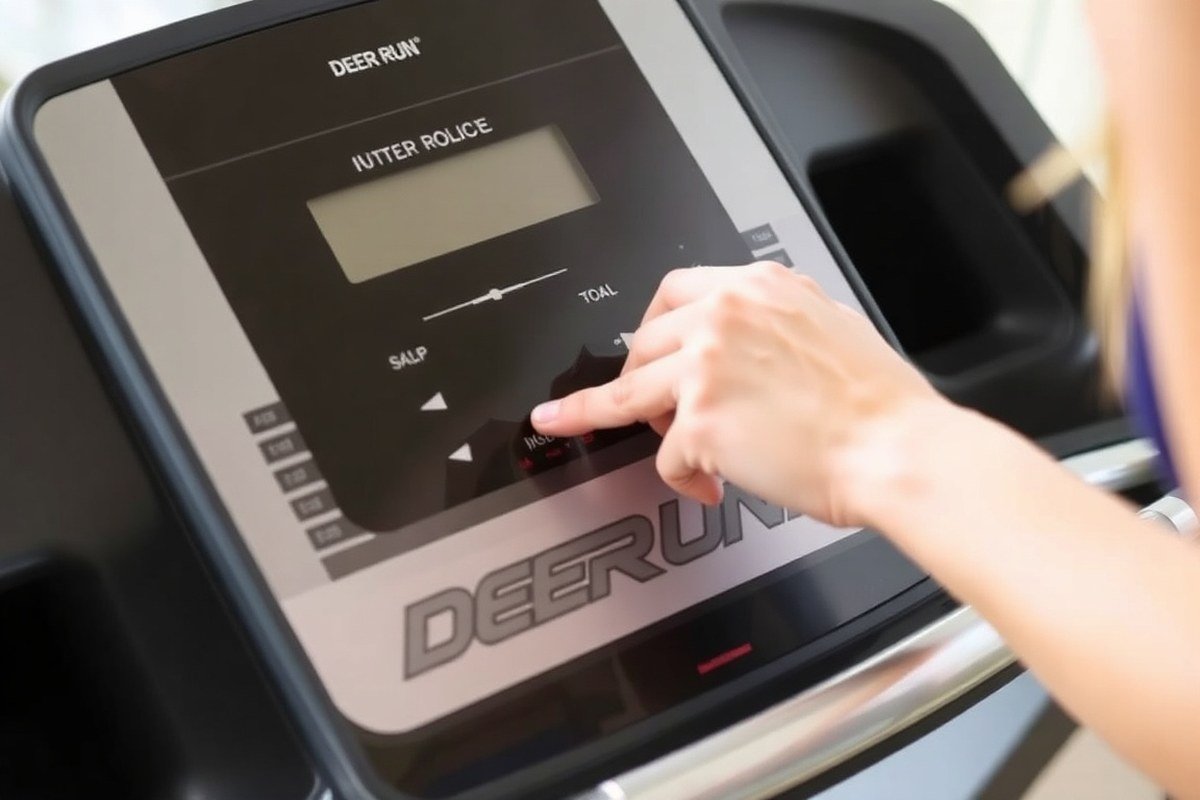
Deer Run treadmills offer a range of incline features that vary depending on the model, with both manual and automatic options. Their basic walking pads provide a Fixed manual incline of 6%. This incline is set physically on the machine and cannot be adjusted remotely during a workout. For beginners who primarily walk or jog lightly, this manual incline adds workout intensity without complicating operation.
More advanced models like the Deer Run Z10 include a 12% automatic incline, which you control remotely via a handheld remote. This feature is uncommon for treadmills priced under $400 and allows you to adjust workout difficulty on the fly, making it suitable for those wanting varying incline challenges during their session. Some higher-tier Deer Run machines advertise incline capabilities up to 20%, although these are typically found on full-size models and come at a higher price point.
Deer Run treadmills are designed mainly for walking and light jogging, featuring motors around 2.5 horsepower. Their speed settings typically range from 0.6 to 3.8 miles per hour, ideal for beginners or intermediate users focusing on steady walking or mild jogging. The running decks on smaller versions are generally compact at about 16.5 inches wide by 44 inches long, matching the needs of slower paces and shorter stride lengths.
Incline and speed features matter because they control workout intensity and user experience. Having a manual incline can be limiting during the workout but adds value over no incline. Automatic inclines controlled remotely offer more workout variation but usually increase the machine’s cost. Choosing a Deer Run model equipped with automatic incline allows you to easily adjust incline levels during interval training. For simple walking sessions, the fixed manual 6% incline on budget-friendly models provides sufficient challenge.
Who Should Choose a Deer Run Treadmill? User Suitability Checklist
Deer Run treadmills work best for people who fit certain height, weight, and activity profiles. Their models typically support up to 220 to 265 pounds, so users heavier than 250 pounds should look for a more strong machine designed for higher weight limits to avoid safety and durability issues.
Belt length is another key factor. With decks close to 35 inches on some models like the Q2 Urban, they’re made primarily for walkers under 6 feet tall. Runners or taller users risk stepping off the belt, which can quickly lead to accidents or discomfort. For running or light jogging, a longer belt around 50 to 55 inches suits users under 5 feet 8 inches better, but Deer Run decks are generally shorter, so running users over 6 feet may find them restrictive. If your fitness plan involves just walking or light jogging, and you weigh under 220 pounds, a Deer Run treadmill offers decent portability and compact size, fitting well in smaller spaces.
- Confirm your body weight is 50 pounds less than the treadmill’s max capacity
- Measure your height; avoid Deer Run if over 6 feet and planning to run
- Choose Deer Run if primarily walking or using light jogging for under 30 minutes daily
- Consider belt length; 35-inch decks fit walkers under 5 ft 11 in, longer decks needed for taller runners
- Select Deer Run models for budget-friendly, space-saving designs rather than heavy-duty use
Checking these factors aligns your purchase with safe use and long-term satisfaction. Overloading the machine or running on a short belt risks slipping and mechanical strain, increasing maintenance or injury chances. Use this checklist to weigh your fitness goals and body type against Deer Run’s design strengths and limits before buying.
How Easy Is Assembly, Setup, and Maintenance?
Most Deer Run treadmills take about 45 to 75 minutes to assemble, depending on your experience with fitness equipment and the specific model. Proper assembly matters to avoid issues like uneven belts or loose parts, which can affect safety and treadmill performance. After assembly, running the treadmill through all speeds and inclines lets you spot any problems early. You should check belt tension and retighten bolts after the first 10 hours of use, then every 3 to 6 months or about every 50 hours of exercise, whichever comes first. Here is a step-by-step checklist to guide you through assembling and maintaining your Deer Run treadmill:
- Unpack and organize all parts and hardware, laying everything out so you can easily find tools and screws.
- Attach the treadmill arms and console using the included bolts. Tighten bolts gently at first to allow adjustment.
- Connect power and electronic wiring carefully, making sure plugs fit securely.
- Secure all bolts tightly once everything is aligned and in place. Use a wrench or Allen key supplied with the treadmill.
- Plug in the treadmill and run through all speeds and incline settings for at least 5 minutes to confirm smooth operation.
- After 10 hours of use, retighten all bolts to prevent loosening from vibration.
- Check belt tension by lifting the sides of the walking belt. A proper tension lets you lift each side about 2 to 3 inches without the belt slipping over the deck.
- Maintain belt tension and bolt tightness every 3 to 6 months or after about 50 hours of treadmill time to keep it running safely and smoothly.
Following these steps helps prevent common issues like belt slipping or squeaking and ensures your treadmill operates safely from day one onward. Keeping a regular schedule for tightening bolts and adjusting belt tension also prolongs the machine’s lifespan and your workout comfort.
What Are Common Complaints and How to Avoid Them?
Users of Deer Run treadmills commonly report issues like shipping delays, narrow belts, limited motor power, and unresponsive customer service. Shipping can take weeks rather than the promised 2-4 days, sometimes arriving in mid March, so factor extra wait time when ordering. The treadmill belts tend to be narrower than average, which can make walking or light jogging less comfortable and less stable for those with wider strides.
Motor power complaints often relate to inadequate strength for anything beyond walking, with some users noticing the motor stalling after a few months. Noise and belt slipping are also frequent annoyances, which can affect your workout quality and treadmill longevity. Customer service is another weak point, with reports of slow refunds and poor responsiveness when addressing problems. Address these problems by taking these precautions and steps:
- Expect and plan for shipping delays: Order well in advance and track your shipment regularly.
- Measure belt width before purchase: Verify belt dimensions to ensure it suits your stride and comfort needs.
- Limit use to walking or very light jogging: Avoid heavy jogging to reduce stress on the motor and prolong its life.
- Perform regular belt maintenance: Check for slippage and keep it clean and properly tensioned as per instructions.
- Test for noise early: Listen for abnormal sounds and adjust or service the treadmill to avoid worsening issues.
- Document all communications with customer service: For faster resolution, keep records of emails and calls.
- Verify return and warranty terms: Understand the 60-day trial limits and make sure you can return the machine if unused and still in new condition.
Fixing noise often requires tightening belt tension or lubricating the deck, which is usually described in the owner’s manual. For motor failures within warranty, insist on repair or replacement but expect delays. Avoid buying from unofficial sites to reduce the chance of scams or unsupported products. Taking these steps can help you manage common drawbacks and maintain your Deer Run treadmill’s basic performance.
How Does Deer Run Customer Service Compare?
Deer Run offers customer support through email and a US-based phone line available six days a week. Email responses typically arrive within 24 hours, which aligns with industry standards for fitness equipment brands targeting beginner to intermediate users. The phone option provides a more immediate way to resolve issues or get advice during regular business hours. This combination of responsive email and accessible phone support Helps ensure timely assistance for common questions about treadmill use, maintenance, or troubleshooting.
Return policies from Deer Run are customer-friendly, with a refund window allowing returns within 72 hours of inspection and no restocking fees. The 72-hour timeframe means you’ll want to check your treadmill as soon as it arrives, especially to confirm no damage occurred during shipping. Getting a prompt inspection submitted to Deer Run’s service team expedites your refund. Their warranty offers additional protection, though exact terms vary by model and are detailed on their official warranty page. Typically, warranties cover motor and belt issues, which helps protect your investment if you stick to moderate walking or light jogging schedules.
| Deer Run | Industry Standard | |
|---|---|---|
| Response Time (Email) | Average 24 hours | 24, 48 hours |
| Phone Support Availability | 6 days/week, US-based | Varies widely, many brands 5 days/week |
| Return Window | 72 hours post-inspection, no restocking fee | Usually 30 days, often with restocking fee |
| Warranty Coverage | Motor and belt covered, details per model | Motor, belt, parts coverage typical 1, 3 years |
Claims for returns or warranty repairs usually proceed smoothly if you follow Deer Run’s instructions to document issues promptly and use official contact channels. Keep your purchase details and photos ready to speed up processing. Prompt communication and adherence to the 72-hour refund window or warranty terms are key to avoiding delays. For you as a buyer, Knowing the support options and their rules helps prevent surprises and ensures your treadmill stays in good working condition with proper professional backing.
Which Deer Run Model Is Best for Different Budgets and Needs?
Choosing the right Deer Run treadmill depends on what you need for your workouts and your budget. The A1 Pro fits best for walking and light jogging with a top speed of 10 MPH and a 3.0 HP motor. It balances features and price well for beginners who want a solid, foldable model. The Z10 Pro comes with a slightly stronger motor and supports up to 300 pounds. It suits walkers covering 3 to 5 miles daily or casual joggers needing more power without a steep price jump. The Apex Titan is a premium option with a larger walking belt, better for more natural stride and longer sessions, but it costs almost twice as much as the A1 Pro.
| Model | Price (USD) | Motor Power (HP) | Max Speed (MPH) | Incline | App Control | User Weight Limit (lbs) | Walking Area (inches) |
|---|---|---|---|---|---|---|---|
| A1 Pro | $229-$299 | 3.0 | 10 | Auto | Yes | 250 | Static fold, moderate size |
| Z10 Pro | Approx. $300 | 3.2 | 10 | Auto | Yes | 300 | Standard treadmill size |
| Apex Titan | $529-$699 | 3.5+ | 10+ | Auto | Yes | 300+ | 47 x 16.5 |
Stepping up in cost from the A1 Pro to the Z10 Pro mostly adds a sturdier motor and higher weight capacity, which matters if you walk briskly or need more support. The jump to the Apex Titan is mainly for a wider belt and a natural stride feel during longer walks or desk walking, marked by its larger 47 by 16.5-inch walking area. Each model offers app control and incline adjustment, which you normally see only on pricier brands. Orders under $300 can still include these smart features, making Deer Run a rare choice for budget-conscious buyers focused on walking and light jogging. If you plan to run regularly or do intense treadmill workouts, the stronger motors of the Z10 Pro or better are safety and durability reasons to spend more.
Is a Deer Run Treadmill Safe and Comfortable for Special Needs?
People with back pain can use Deer Run treadmills safely if they take certain precautions. These treadmills typically offer a cushioned belt that reduces impact on the spine compared to walking or jogging outdoors on hard surfaces. Start walking at a slow speed, around 1 to 2 mph, to see how your back responds. Avoid running or fast jogging until your body adapts, and use proper posture by keeping your shoulders relaxed and your back straight. Adding gentle stretching before and after your walk can improve comfort and reduce strain.
Elderly users benefit from Stable handrails on Deer Run treadmills, which most models include on both sides for balance support. These handrails improve safety by allowing you to steady yourself during use. Check that the handrails feel solid and comfortable for your grip. It’s best to use the handrails lightly rather than leaning heavily, which could lead to poor posture. For extra care, place the treadmill near a sturdy chair or wall to hold on to when stepping on or off.
The Control console on Deer Run treadmills often features large buttons and a simple display, making it easier for seniors to use. The interface usually includes start, stop, and speed controls in clear text and good contrast, minimizing confusion or mistakes. Practice adjusting speed settings while seated to become confident before walking. Having a magnifying glass nearby can help you read the display more easily when you have vision problems.
Noise levels from Deer Run treadmills are generally Moderate to low during typical home use, mostly from the motor and belt movement. Expect around 55 to 65 decibels, comparable to a conversation at home, which should not interfere with phone calls or watching TV. Placing a vibration-absorbing mat under the treadmill can further reduce noise and protect floors. Regular lubrication and belt tension adjustments, as described in the manual, help keep noise to a minimum over time.
For best comfort and safety, wear well-fitting walking shoes with cushioning and good arch support. Adjust the treadmill incline only gently if you know your back can handle it, avoiding steep slants that increase spinal loading. Limit sessions to 20 to 30 minutes at first and increase gradually. Stop immediately and consult a healthcare professional before continuing when experiencing sharp pain, dizziness, or excessive fatigue. Following these steps helps you enjoy Deer Run treadmill workouts safely and comfortably, tailored to your special needs.
Step-by-Step Action Plan to Choose and Use Your Deer Run Treadmill
Get started confidently with your Deer Run treadmill by following these focused steps that match your fitness goals and usage.
- Before you buy: Review your workout goals and space requirements. Confirm that a Deer Run model fits your budget and intended use by checking features like motor power and incline range.
- Day 1: Assemble your treadmill following the detailed manual and online resources. Test the belt movement and motor quietly to ensure smooth operation before first use.
- Week 1: Begin with low-speed walking sessions to familiarize yourself with the controls and comfort features. Adjust the incline gradually to find suitable challenge levels.
- Week 2: Monitor your treadmill’s performance and any noises during workouts. Maintain the belt by wiping it down and lubricating if the manual recommends it.
- After one month: Evaluate if the treadmill meets your comfort and fitness needs. Contact Deer Run customer support promptly for any unresolved issues or warranty questions.
- Every month: Perform routine maintenance as suggested to keep the belt and motor in good condition. Replace parts only with Deer Run authorized components.
- Every 3 months: Reassess your workout intensity and adjust speed or incline to continue progress, always listening to your body and treadmill performance.
Frequently Asked Questions
Are Deer Run Treadmills Good for Casual Walking Workouts?
Yes, Deer Run treadmills perform well for casual walking due to their 2.5 to 3.0 HP motors and compact design, making them ideal for light, steady daily use in small spaces.
Do Deer Run Treadmills Offer Enough Features for Beginner Runners?
They usually provide adequate speed and incline settings for beginners, but advanced runners may find the options limited for intense training.
Are Deer Run Treadmills Durable Enough for Moderate Daily Use?
Moderate daily use is supported if you pick a model suited for your training intensity; however, long-term durability may not match higher-end brands.
How Does Deer Run Handle Repairs and Service Requests?
Customer service reliability can be hit or miss, so expect longer wait times or difficulties when needing repairs or support.
Is There a Significant Difference Between Deer Run and Other Budget Treadmill Brands?
Deer Run is competitive in price but often lags in warranty coverage and customer support compared to some other budget brands.
Before You Go
Deer Run treadmills can suit beginner and intermediate home users looking for reliable walking or light jogging machines at a reasonable price. Selecting the right model based on features and following careful setup and maintenance ensures you get lasting value. To move forward, pick the Deer Run treadmill that best fits your space and goals, then start your fitness routine with consistent, gradual steps.