Are Elliptical Machines Bad for Your Knees? What Actually Works
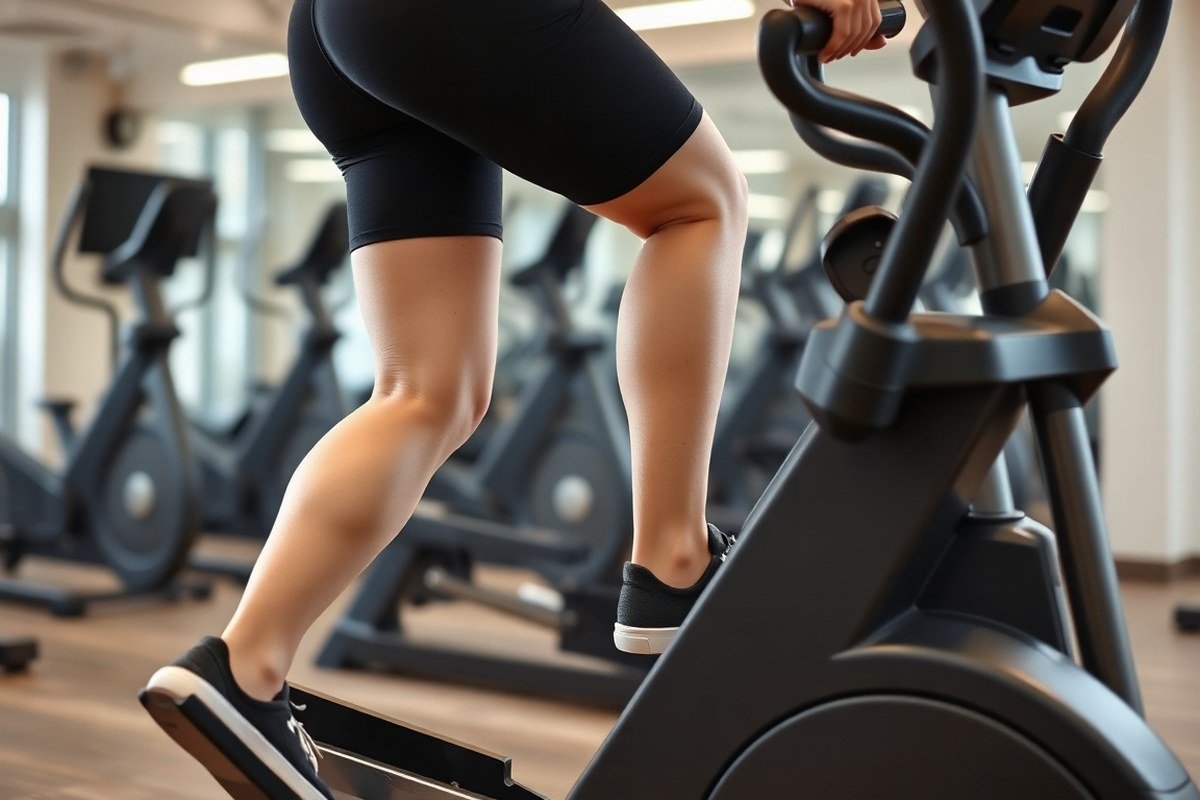
Are elliptical machines bad for your knees? Generally, ellipticals are easier on your knees compared to running or conventional walking because they keep your knee flexion shallow, usually between 30 and 40 degrees. This reduces joint compression while providing low-impact, weight-bearing exercise that most people with knee concerns can tolerate well. Start using an elliptical with slow, gentle movements for about 5 to 10 minutes to allow your knees to adjust before increasing workout duration or resistance.
Key Takeaways
- Elliptical machines maintain shallow knee flexion, reducing stress on the joint compared to high-flexion activities like biking.
- Set your elliptical stride length between 18 and 20 inches to match your leg length and improve knee comfort.
- Begin workouts with low resistance and gradually increase it to avoid swelling and knee discomfort.
- Limit initial sessions to 5 to 10 minutes, then build up to 30 minutes on most days to protect your knees.
- Avoid steep incline settings; keep the elliptical incline between 1 and 3 degrees for knee safety.
- Proper form is essential; poor technique often causes knee pain during elliptical use.
Do Elliptical Machines Harm Your Knee Joints?
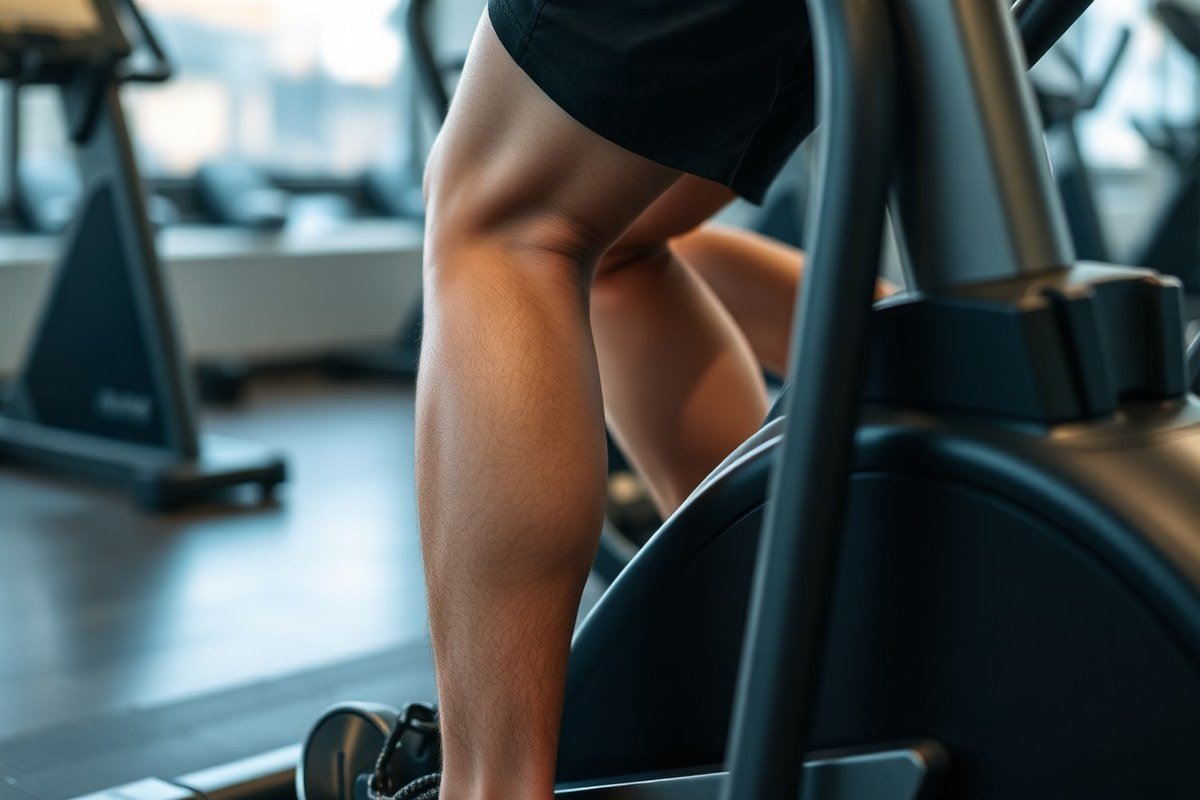
Elliptical machines are generally not bad for your knees. They offer a low-impact form of exercise that reduces joint stress compared to high-impact activities like running. This happens because ellipticals provide a smooth, gliding motion that avoids heel strike, which is a major source of knee impact in running. The knee joints move through shallow flexion angles during elliptical use, typically less than the deep bends seen in squatting or stair climbing, which helps limit strain on knee cartilage and ligaments.
Elliptical use affects knee joints mainly by enabling weight-bearing exercise without the pounding forces associated with running. Unlike stationary bikes, ellipticals require you to support your body weight through the legs, which helps maintain bone density and muscle strength around the knees. The pedals follow a fixed elliptical path with stride lengths usually ranging between 16 to 22 inches, encouraging controlled knee motion that reduces sudden or awkward movements that could cause injury or pain.
Comparatively, elliptical machines are preferable to running for individuals with knee concerns. Running produces a high joint impact and repetitive loading that may worsen pre-existing knee pain or injuries. Research shows that elliptical exercise produces very low joint impact and controlled knee flexion angles, making it safer for those with mild to moderate knee pain. Clinical findings indicate ellipticals can improve leg muscle strength and joint mobility without causing the rapid joint wear sometimes linked to running. To benefit your knees, maintain proper form by keeping a steady pace and avoiding excessive resistance that forces unnatural knee angles or jerking motions.
Common Knee Issues Related to Elliptical Use and Avoidance Tips
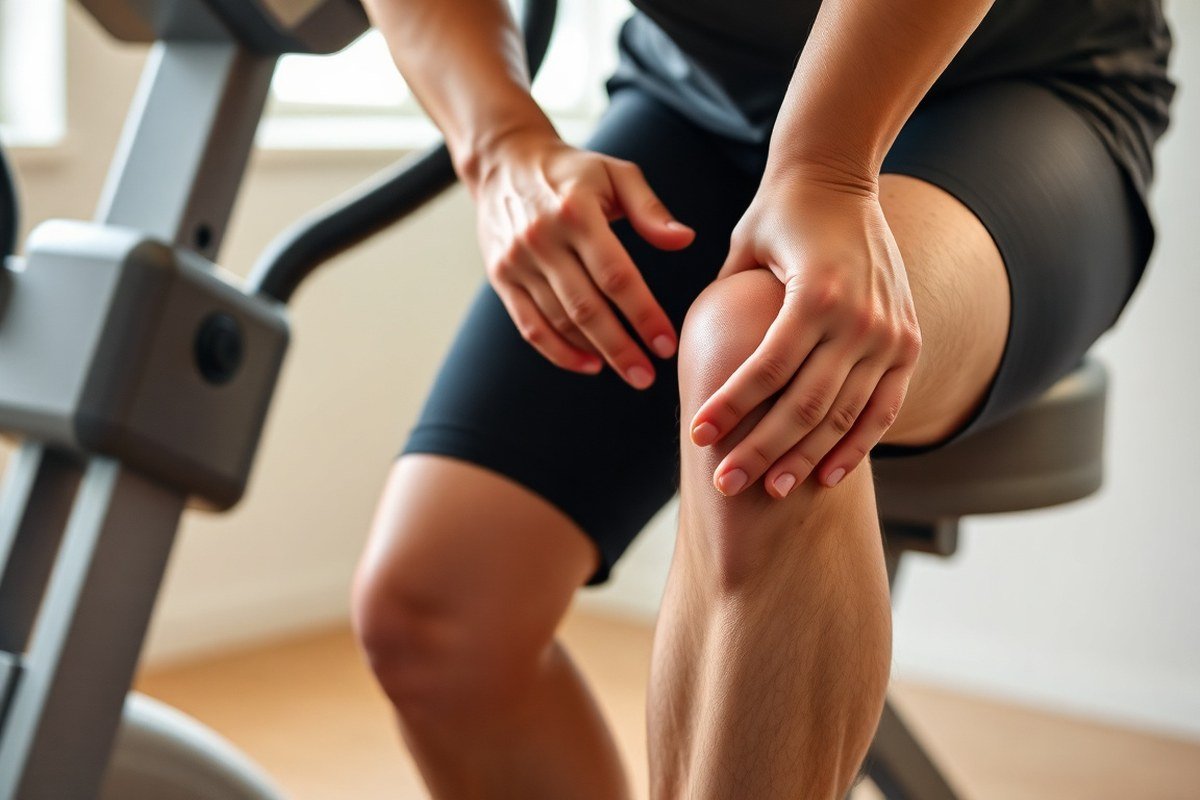
Knee conditions like arthritis, ligament injuries, or patellar tendonitis might worsen with elliptical use if the machine is not set or used correctly. While elliptical machines generally reduce joint impact compared to running, improper form or excessive resistance can increase stress on the knee joint. Common knee symptoms caused by elliptical misuse include pain, swelling, and stiffness, which signal a need to reassess how you are using the machine.
| Symptom | Primary Suspect | Difficulty (1-5) |
|---|---|---|
| Knee Pain | Poor Form | 3 |
| Swelling | Excessive Resistance | 4 |
| Stiffness | Overuse | 2 |
Wrong foot placement or bad posture during elliptical workouts can aggravate existing injuries or create new knee problems. Overloading the resistance, especially beyond your current strength level, often leads to swelling and discomfort around the knee. Overuse from long or frequent workouts without sufficient recovery can cause stiffness and reduce joint flexibility.
- Use a moderate resistance level to avoid putting excess strain on your knees.
- Keep your knees aligned over your feet; avoid twisting or letting the knees collapse inward.
- Maintain good posture with a straight back and avoid leaning heavily on the handles.
- Limit workout duration to avoid overuse, especially if you’re recovering from injury.
- Incorporate lower-body strength exercises off the elliptical to support knee stability.
- Adjust the machine settings to keep knee flexion between 30 and 40 degrees for comfort.
- Stop exercising if you experience sharp or persistent knee pain and consult a healthcare professional.
Following these tips helps maintain knee health while using an elliptical, balancing the benefits of low-impact cardio with the need to protect vulnerable joints. For those with serious knee issues, discussing elliptical use with a physical therapist or orthopedist is advisable to tailor workouts safely to your condition.
How to Adjust and Use Your Elliptical for Knee Comfort
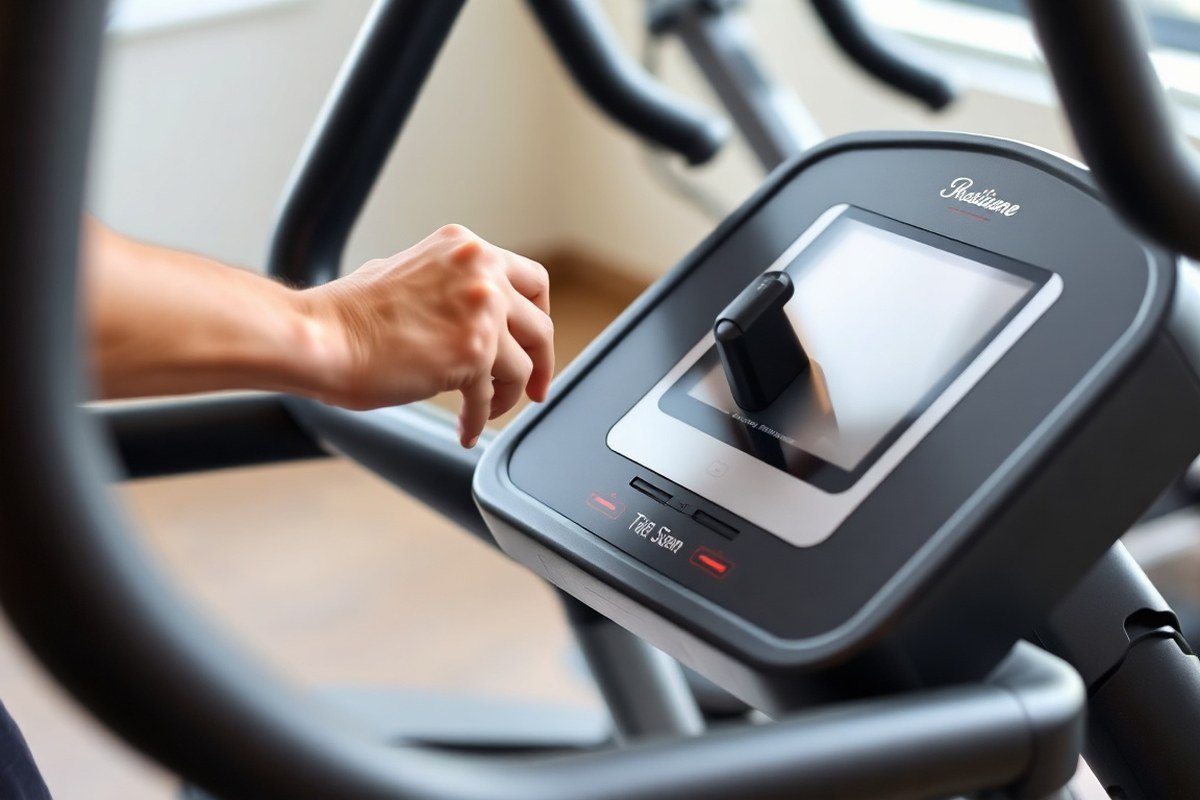
Adjusting your elliptical machine correctly is essential for reducing strain on your knees. Start by setting the stride length to match your leg size. A stride range of 18 to 24 inches, like on the SOLE E95S, accommodates most users and helps keep knee motions natural. Selecting a stride that’s too short or too long forces your knees into awkward angles, increasing discomfort.
Resistance should be low at first, allowing your knees to warm up without excess pressure. Gradually increase resistance as your muscles and joints adapt. High resistance loads can stress knee joints, especially if you tolerate only about 50% of your body weight on your knees. Incline, if adjustable, is best kept moderate to avoid added knee flexion.
- Set stride length between 18 and 24 inches according to your leg length
- Start with low resistance and increase gradually with warm-up
- Maintain an upright posture, avoid leaning forward or backward
- Keep your feet flat and centered on pedals to distribute pressure evenly
- Align knees with feet to prevent inward or outward twisting
- Engage core muscles to stabilize hips and reduce knee load
- Avoid overextending knees during the elliptical motion
Proper form actively protects your knees during elliptical workouts. Keeping your body aligned and controlled lets the elliptical support your weight without forcing joints into harmful positions. Flat foot placement combined with knee and ankle alignment lowers the risk of twisting injuries. Maintaining a firm, neutral posture ensures that your knee joints share movement forces evenly through the hips and ankles.
| User Type | Stride Length | Resistance | Incline |
|---|---|---|---|
| Shorter legs (under 5 ft 5 in) | 18-20 inches | Low to moderate | Flat to low |
| Average height (5 ft 5 in to 5 ft 10 in) | 20-22 inches | Moderate | Low |
| Taller users (over 5 ft 10 in) | 22-24 inches | Moderate | Low to moderate |
Keep adjustments within your comfort zone and avoid sudden changes. Ellipticals with power-adjustable stride and resistance provide greater control. Watching your knee comfort closely during workouts helps you catch and correct any harmful positions early.
Safe Progression and Workout Duration for Knee Health
Starting elliptical workouts carefully helps protect your knees from overuse injuries. Begin with shorter sessions at low intensity and only increase duration and resistance gradually. Warming up prepares your joints, while cooling down and stretching help reduce stiffness and soreness after your workout.
Use the following timeline to progress safely, and listen to your body at every step. Stop or reduce your workout if you experience any sharp or persistent knee pain. Mild discomfort may improve with rest, but don’t ignore warning signs like swelling, sharp pain, or persistent soreness.
- Warm up for 5 minutes at low resistance and slow pace to get your knees moving and muscles ready.
- Start with 10 to 15 minutes of elliptical exercise at an easy pace and low resistance for your initial sessions.
- Increase session length by 5 minutes every 1 to 2 weeks, aiming for 20 to 30 minutes within one month.
- Raise resistance or incline slightly only after maintaining your target workout time without knee discomfort for several sessions.
- Include 1 to 2 days of rest or low-impact cross-training each week to allow your knees to recover and build strength.
- Cool down for 5 minutes by slowing your pace and lowering resistance, helping your heart rate and muscles return to normal.
- Perform gentle stretches for your calves, quads, hamstrings, and hips after each workout to maintain flexibility and reduce joint tension.
- Stop immediately and reassess if you feel sharp pain, persistent soreness, or swelling in your knees during or after exercise. Consult a healthcare professional if symptoms continue.
When to Seek Professional Advice for Knee Pain from Elliptical Use
You should stop using the elliptical if you experience sharp, persistent, or swelling knee pain during or after workouts. Mild discomfort may be normal when starting a new routine, but severe pain, clicking sounds, or instability signals a problem that needs professional assessment. Continuing to exercise through these symptoms can worsen injury and delay recovery. A simple decision checklist can guide you on when to consult a healthcare provider:
- Pain lasting more than 24 hours after elliptical use
- Swelling or warmth around the knee joint
- Locking or giving way during movement
- Shooting pain or numbness down the leg
- Pain that intensifies despite adjusting workout intensity or duration
- Previous history of knee injuries or surgeries with current symptoms
When seeing a doctor or physiotherapist, you can ask:
- What might be causing this knee pain?
- Is it safe to continue elliptical workouts or should I stop temporarily?
- What modifications or support will protect my knee during exercise?
- What exercises can strengthen my knees and prevent future injuries?
- Are there any contraindications specific to my condition for elliptical training?
Professional advice often includes modifying elliptical use or pausing workouts until pain resolves. A tailored rehabilitation plan may involve physical therapy and gradual reintroduction to elliptical sessions. Follow the provider’s guidelines on pain limits, frequency, and duration to avoid setbacks. Ignoring warnings risks worsening damage and longer recovery times.
Your First 2 Weeks: A Quick-Start Plan for Knee-Friendly Elliptical Workouts
Start using your elliptical safely to protect your knees and build comfort gradually.
- Before you start: Adjust the elliptical pedals and handlebar height to fit your body. You should feel natural movement without reaching or bending too much.
- Day 1: Begin with a 5-minute session at low resistance. If your knees feel stable and without pain, you’re off to a good start.
- Days 2-3: Increase time to 10 minutes, keeping resistance low. Check for any discomfort during or after the workout.
- End of Week 1: Raise resistance slightly if your knees feel fine, and add 5 minutes to your session. You want to build endurance but avoid pain.
- Week 2: Incorporate a warm-up and cool-down using slow pedaling. Notice reduced stiffness or soreness as a sign your knees are adapting.
- After 2 weeks: Evaluate knee comfort during regular elliptical workouts. Any persistent pain means adjusting settings or consulting a professional.
- Ongoing: Use supportive footwear and maintain good posture on the machine every time. Knee comfort is key to long-term use.
Frequently Asked Questions
Are Elliptical Machines Bad for Your Knees If I Already Have Arthritis?
Elliptical machines are generally safe for arthritis if used correctly. They provide low-impact exercise that can help maintain joint mobility without worsening arthritis symptoms, but always start slowly and consult with your doctor for personalized advice.
Can Using an Elliptical Worsen Existing Knee Injuries?
Using an elliptical with existing injuries can worsen pain if form or resistance is too high. Adjust settings for comfort, avoid overdoing workouts, and stop if pain increases to prevent aggravating your injury.
Is It Better to Use an Elliptical or a Stationary Bike for Knee Pain?
Both are low-impact options, but the elliptical offers a more natural stride motion. The bike is easier for some with severe pain, so choose based on your comfort and doctor’s guidance.
Does Resistance Level on the Elliptical Affect Knee Strain?
Higher resistance can increase knee strain, so keep resistance moderate. Focus on smooth, controlled motion to protect your knees during workouts.
How Often Should You Use the Elliptical to Improve Knee Health?
Aim for 3 to 5 sessions per week, 20 to 30 minutes each. Regular use helps strengthen knee-supporting muscles and improves joint flexibility without overloading the knees.
Wrapping Up
Elliptical machines can be gentle on your knees when used correctly and with proper adjustments. Focus on gradual progression and pay close attention to how your knees respond. Your next step should be setting up your elliptical to suit your body and beginning short, low-resistance sessions to build comfort without strain.