Are Dumbbells HSA Eligible? A Complete Guide to Qualifying and Saving
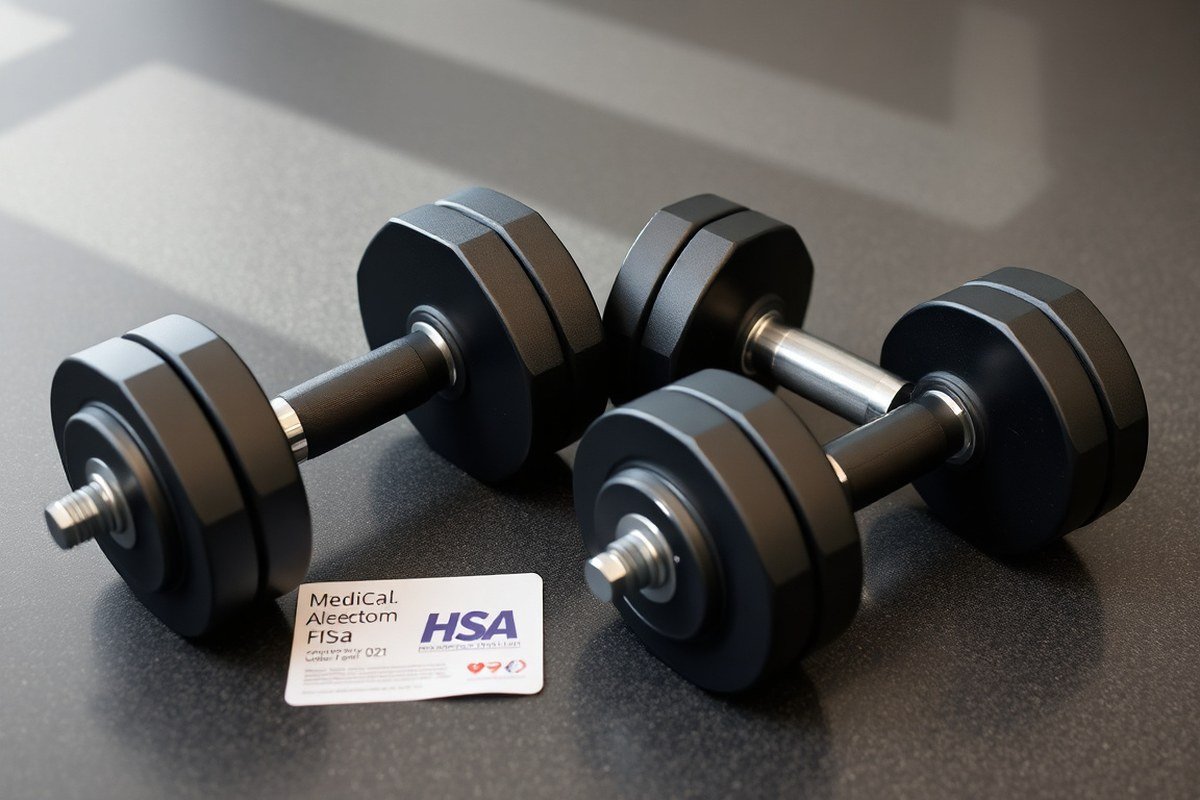
Are dumbbells HSA eligible depends on whether they are prescribed for a medical condition. Normally, dumbbells are not covered by HSA or FSA funds unless a Letter of Medical Necessity specifies their use for treatment. Getting that letter from a licensed provider is the key step to making your purchase eligible. Start by checking if your health condition qualifies for prescribed exercise equipment, then request a medical necessity letter to use your HSA or FSA for dumbbells legally.
Key Takeaways
- Dumbbells are generally not HSA eligible unless prescribed for a specific medical condition.
- A Letter of Medical Necessity from a licensed provider is required to use HSA/FSA funds for dumbbells.
- Medical letters usually last 12 months and need annual renewal to maintain eligibility.
- You can save about 30% by using HSA/FSA funds to buy $300 worth of dumbbells.
- IRS Publication 502 is a reliable resource to verify fitness equipment eligibility.
- Paying with HSA/FSA funds avoids taxes but does not reduce the sticker price charged by retailers.
Are Dumbbells Eligible for HSA or FSA Spending?
The IRS permits the use of HSA or FSA money to purchase dumbbells only if there’s a doctor’s prescription supporting a medical treatment. These accounts cover expenses primarily aimed at diagnosing, curing, mitigating, treating, or preventing illness, rather than for general fitness. Dumbbells usually don’t meet the criteria unless you provide a Letter of Medical Necessity (LMN) from your doctor detailing how they help manage a specific health condition.
Before purchasing, confirm with your doctor that dumbbells are necessary for your health condition. This letter must be signed and dated, explaining the medical need according to your doctor’s evaluation. Buy the dumbbells only after obtaining this documentation, because buying them for general fitness with your HSA or FSA funds risks the IRS classifying the expense as ineligible, potentially leading to taxes or penalties.
Your plan administrator may require you to submit the LMN when requesting reimbursement. Keep all receipts and the letter for your records. The core IRS rule to check is whether the expense supports treatment or prevention of a recognized disease or condition. Without this, dumbbells do not qualify. This applies equally to HSAs and FSAs, as they follow the same eligibility guidelines.
Steps to ensure eligibility include: consult your healthcare provider about dumbbells as part of your treatment, get a detailed medical necessity letter, confirm your plan’s process for submitting claims, and retain all paperwork for audit purposes. This procedure can make dumbbells eligible for reimbursement, but it takes time and documentation. The IRS guidelines currently do not permit using HSA or FSA money for exercise equipment without medical justification, so following these steps helps you use your funds correctly and avoid denied claims or tax issues.
Which Medical Conditions Make Dumbbells HSA Eligible?

Dumbbells may qualify for HSA or FSA reimbursement if prescribed for specific medical conditions that require physical therapy or rehabilitation. Common injuries and illnesses that justify dumbbell use include muscle atrophy due to surgery recovery, joint stiffness from arthritis, and muscle weakness from neurological conditions like stroke or multiple sclerosis. Doctors often recommend dumbbells as part of a structured treatment plan to rebuild strength, improve range of motion, and support joint stability. Without a diagnosed condition and a provider’s written recommendation, dumbbells are usually considered a general fitness item and not eligible.
A prescription or referral to physical therapy increases the likelihood dumbbells will be covered, as insurers recognize equipment used in approved therapy plans. Conditions that insurers accept more readily often involve post-surgical rehab, chronic joint disorders, or mobility impairments. Typical documentation includes a Letter of Medical Necessity (LMN) from a licensed medical provider stating the diagnosed condition, the prescribed use of dumbbells in your treatment, and the expected medical benefit. The LMN must explain why dumbbells are required beyond general fitness and how they support your therapy goals.
The process usually involves discussing your medical history with your provider and confirming that dumbbell exercises are an appropriate therapy step. Your provider can then write an LMN to submit with your HSA or FSA claim. This letter helps overcome the common denial of dumbbell purchases for lacking medical purpose. Costs for obtaining an LMN may vary; some providers offer quick online assessments that take 2 to 3 minutes, potentially lowering your upfront effort and time.
Using dumbbells partly for fitness and partly for rehab means only the medical portion is eligible for reimbursement. Accurate documentation and clear communication with your insurer support a successful claim. Without detailed documentation, dumbbells are unlikely to qualify under HSA or FSA rules, since they do not directly treat or cure medical issues unless linked to prescribed therapy.
How to Obtain a Letter of Medical Necessity for Dumbbells
A Letter of Medical Necessity (LMN) is an official document your healthcare provider writes to explain why dumbbells are needed for your specific medical treatment or recovery. This letter lets your HSA provider know the purchase is related to a medical condition, which is essential for reimbursement approval. Without an LMN, dumbbell expenses are usually not covered by your HSA.
To request an LMN, start by explaining to your doctor how dumbbells support your prescribed treatment plan. Be clear about your medical condition and why exercise equipment like dumbbells can assist with therapy or rehabilitation. Talk to your doctor about obtaining a formal LMN and get their approval directly. The process generally costs nothing beyond your usual office visit, but some providers might charge a small fee for preparing a specialized letter.
An effective LMN must include several key details. It should specify your diagnosis, explicitly state why dumbbells are medically necessary, and describe how their use will help manage or improve your condition. The letter should also indicate the type of equipment recommended and any usage instructions your doctor provides.
- Contact your healthcare provider and explain your need for dumbbells linked to your medical condition
- Request a formal Letter of Medical Necessity for HSA purposes
- Ensure the letter includes diagnosis, treatment plan, and why dumbbells are essential
- Keep a copy of the LMN for your records and HSA reimbursement claims
- Submit the LMN to your HSA administrator when requesting reimbursement
- When a claim gets denied, take the next step by contacting your doctor to update the LMN with additional information.
You can use a simple script to ask your doctor: “I would like to submit a claim to my Health Savings Account for dumbbells that are part of my treatment. Could you provide a Letter of Medical Necessity stating my diagnosis and explaining why using dumbbells is necessary for my recovery?” This straightforward approach helps get the letter you need.
Which Types and Brands of Dumbbells Can Be Covered?
Adjustable dumbbells are generally seen as more likely to meet HSA eligibility requirements compared to fixed dumbbells. This is because adjustable sets offer multiple weight levels, which suits progressive therapy that a doctor might prescribe. For example, an adjustable dumbbell that starts at 5 pounds and increments by 2.5 pounds up to 50 pounds fits medical needs for gradual strength building. Typically, the medical letter needs to specify the variety of weights required for treatment. Fixed dumbbells, being single weights, may be approved only if a specific weight level is medically necessary for your condition.
Brand reputation can influence outcomes with letters of medical necessity (LMNs). Brands recognized for durable, precise weight increments and ergonomic grips are viewed more favorably. Companies that provide clear product specifications, such as starting load, weight increment details, and adjustment mechanisms, help your healthcare provider write stronger, more specific LMNs. Those details can reduce the chance of rejection during insurance or audit verifications. Popular adjustable dumbbells with well-documented specs often have higher approval rates than no-name brands or generic fixed weights.
Price does not directly affect eligibility, but higher-quality equipment tends to come with better documentation and warranty, which supports the medical necessity claim. Weight increments matter, especially for adjustable dumbbells. Smaller increments like 2.5 or 1.5 pounds allow precise control over load increases, matching therapeutic goals. Dumbbells with fewer or irregular increments might struggle to justify their use for medical treatment. Weight capacity also plays a role; for example, if your treatment plan calls for weights up to 50 pounds, dumbbells with lower limits will not qualify.
| Type | What It Offers | What to Look For |
|---|---|---|
| Fixed dumbbells | Single weight per dumbbell | Grip shape, exact weight level, brand reliability |
| Adjustable dumbbells | Multiple weight settings in one set | Starting weight, weight increments, adjustment mechanism |
How Much Can You Save Buying Dumbbells with HSA Funds?
Using your HSA funds to buy dumbbells can save you 20% to 40% of the purchase price, depending on your combined federal and state tax rate. These savings come because contributions to an HSA are made with pre-tax dollars. For example, if you buy a $300 set of dumbbells and your tax rate is 30%, you effectively pay only $210 out of pocket since you avoid $90 in taxes. This discount happens because money you use from your HSA was never taxed.
The math is straightforward: multiply the dumbbell cost by your tax rate to find your savings. At 20%, $100 spent means $20 saved in taxes, while at 40%, $1,000 spent saves you $400. This makes higher-cost purchases more appealing for maximizing tax benefits. Keep in mind, these savings work only if the dumbbells qualify as an eligible medical expense and you have enough HSA balance to cover the cost.
For example, if you buy a $600 dumbbell set with a 40% tax rate, you reduce your effective price to $360. This is because you’d save $240 in taxes. At lower tax rates, your savings shrink accordingly: $120 at 20% or $180 at 30%. To maximize benefits, accumulate HSA funds over time to cover larger purchases rather than spending small amounts frequently.
Always check with your HSA provider or a tax advisor before buying. Eligibility rules can be strict, and purchases not related to a medical condition may be denied. Using the pre-tax money correctly means you pay less from your pocket while getting equipment that supports your health goals.
Common Mistakes and How to Avoid Them When Buying Dumbbells
Claims for dumbbells purchased with HSA or FSA funds often get denied because of incorrect or incomplete documentation. Common errors include failing to provide a letter of medical necessity, submitting receipts without detailed item descriptions, and using funds for general fitness rather than a prescribed medical condition. These mistakes matter because plan administrators require proof that the purchase directly supports a medical treatment or condition.
To correct misinformation on a rejected claim, first contact your plan’s customer service promptly. Ask for the specific reason your claim was denied and what exact documentation they require. Often, submitting a properly formatted letter of medical necessity from your healthcare provider and attaching a detailed, itemized receipt showing the dumbbells’ specifications, such as weight range and type, can resolve the issue.
- Keep all purchase documentation with clear product descriptions and prices
- Obtain a letter of medical necessity from your doctor detailing why dumbbells are required
- Use HSA/FSA funds only for dumbbells prescribed for a diagnosed condition
- Submit claims promptly and follow your plan’s deadlines, which often range from 90 to 180 days
- Keep a copy of all submitted documents and correspondence for your records
Do not discard your paperwork when a claim is rejected. Carefully review your plan’s eligibility rules and try resubmitting with the added documents. Persistent communication with your plan administrator often leads to eventual approval. Continued denials may require filing an appeal according to the plan’s formal process, including all evidence proving the medical necessity of your dumbbells.
Steps to Buy Dumbbells Using HSA or FSA Funds Legally
To buy dumbbells using your HSA or FSA funds legally, start by confirming eligibility with your plan administrator. Dumbbells must be prescribed for a specific medical condition and supported by a letter of medical necessity. Use your HSA or FSA card to make the purchase directly if the vendor accepts it; otherwise, pay out of pocket and submit a claim for reimbursement.
When submitting a reimbursement request, include the original receipt and the letter of medical necessity that details why these dumbbells are required for your health condition. This paperwork proves the expense is qualified under IRS rules, helping avoid rejected claims. Keep copies of all documents for your records and future reference.
Tracking eligible expenses ensures you maximize available funds without exceeding your balance. Many HSA and FSA accounts offer online portals or apps where you can upload receipts and monitor spending in real time. Setting reminders for deadlines and carefully categorizing purchases prevents lost money and missed benefits.
- Contact your HSA/FSA provider to confirm dumbbell eligibility before buying
- Obtain a letter of medical necessity from your doctor specifying the need
- Use your HSA/FSA debit card for direct purchase or pay out of pocket for reimbursement
- Keep the original receipt and submit it with your reimbursement claim
- Upload documents to your account portal to track expenses and balances
- File claims promptly according to your plan’s deadlines to avoid losing funds
Following these steps ensures your purchase complies with health plan rules and IRS regulations. Mistakes such as missing documentation or using funds for non-prescribed equipment can lead to denied claims and taxable penalties. Staying organized and proactive about paperwork helps you effectively use tax-advantaged dollars for dumbbells that support your medical needs.
Step-by-Step Action Plan to Use HSA/FSA Funds for Dumbbells
Follow this plan to make sure you buy dumbbells with your HSA or FSA funds the right way and get reimbursed.
- Before You Buy: Confirm if you have an eligible medical condition that qualifies for dumbbells under your HSA/FSA by checking your plan documents or consulting your healthcare provider.
- Week 1: Request a Letter of Medical Necessity from your healthcare professional stating why dumbbells are required for your treatment. Ensure it clearly describes your condition and how the equipment helps.
- Week 2: Review your HSA/FSA plan rules for eligible products and verify that the dumbbells you want to buy meet the coverage criteria, including type and brand requirements if any.
- Week 3: Purchase the dumbbells, keeping detailed receipts and product descriptions for your records and future reimbursement requests.
- After Purchase: Submit your Letter of Medical Necessity, receipt, and claim form to your HSA/FSA administrator following their submission guidelines.
- Within 2 Weeks of Submission: Monitor your account or contact your administrator to confirm that your claim for dumbbells reimbursement has been approved and funds posted.
- Ongoing: Keep documentation in case of audits or questions. Only use HSA/FSA funds for dumbbells as prescribed to avoid denied claims or penalties.
Frequently Asked Questions
Can I Use My HSA to Buy Dumbbells Without a Doctor’s Letter?
No, dumbbells are only HSA eligible if you have a letter of medical necessity from your doctor specifying a medical condition requiring them.
Are Adjustable Dumbbells Covered by HSA Funds?
Adjustable dumbbells can be covered with an LMN from your doctor confirming a medical need, not for general fitness use.
Do I Need a Prescription to Use FSA Money for Dumbbells?
Yes, you need a prescription or doctor’s letter stating dumbbells are necessary for treatment of a medical condition.
Are Gym Memberships Ever HSA Eligible If I Want to Buy Dumbbells?
Gym memberships are generally not HSA eligible, even if you plan to use dumbbells there, unless you have a rare qualifying LMN.
Can I Use HSA Funds on Other Fitness Equipment Besides Dumbbells?
Yes, other equipment like kettlebells or barbells may be eligible with an LMN, and physical therapy sessions are usually covered.
Wrapping Up
Using your HSA or FSA to buy dumbbells depends mainly on having a qualifying medical condition and obtaining proper documentation like a Letter of Medical Necessity. Taking these steps helps ensure your purchase is eligible for reimbursement. Reach out to your healthcare provider today to start the process and see if dumbbells are right for your treatment plan.