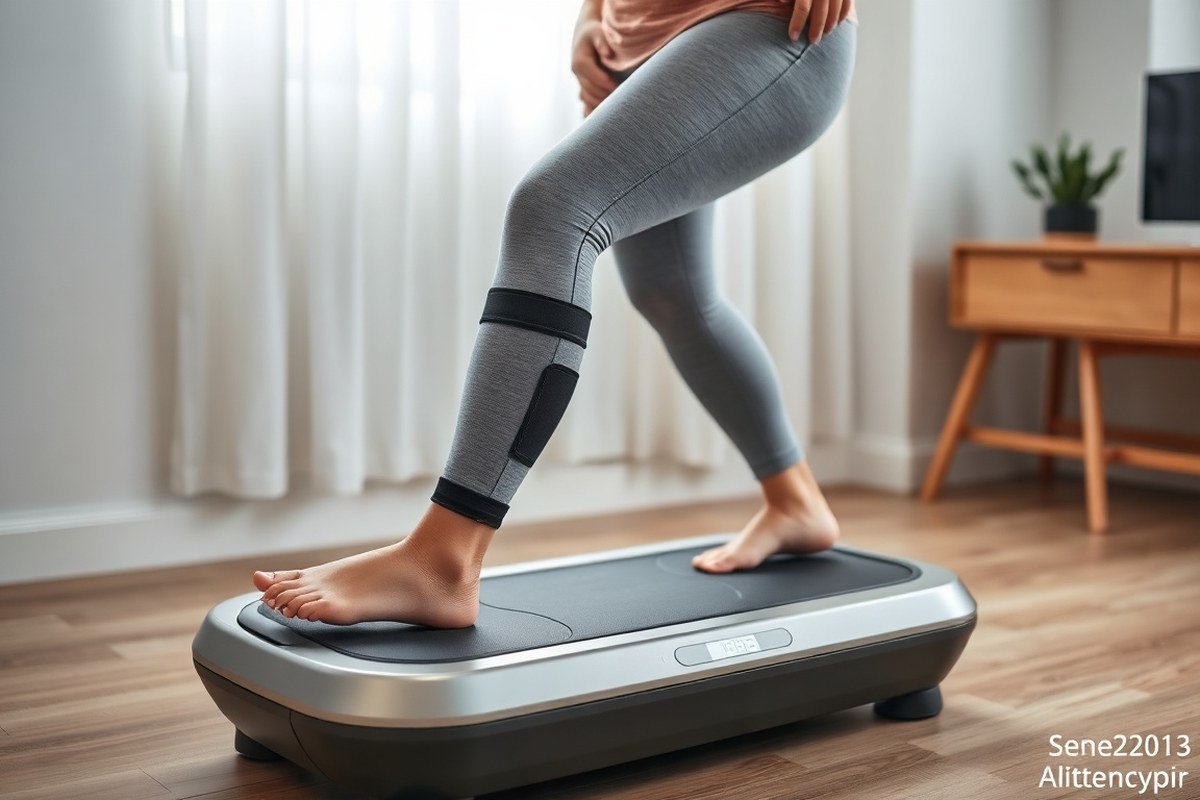
Are Vibration Plates Good for Arthritis? A Complete Guide for Safe, Effective Relief
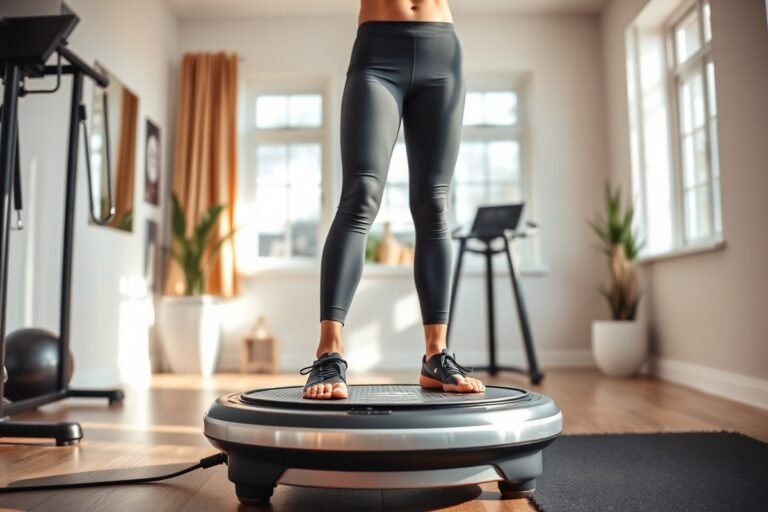
Are vibration plates good for arthritis? They can be an effective tool to reduce pain and stiffness, especially when used regularly at low frequencies. Vibrations stimulate joint tissues and muscles, helping improve strength and reduce inflammation. Start with short sessions at low settings to allow your joints to adjust safely and maximize benefits without irritation.
Key Takeaways
- Use vibration plates for 10 to 15 minutes each day or three to five times weekly to achieve the most effective arthritis relief.
- Choose low-frequency oscillating plates below 30 Hz, particularly for rheumatoid arthritis.
- The Fitboard 3D provides unique vibration directions and frequency tracking for customized therapy.
- Begin with 3-minute bouts at the lowest setting on days 1 and 2 to build joint tolerance.
- Weighted half-squats on a vibration plate can boost muscle strength similar to running at 6.5 mph.
- Most quality vibration plates support weights from 300, 450 lbs; select one matching your body weight.
Are Vibration Plates Effective for Reducing Arthritis Pain and Stiffness?
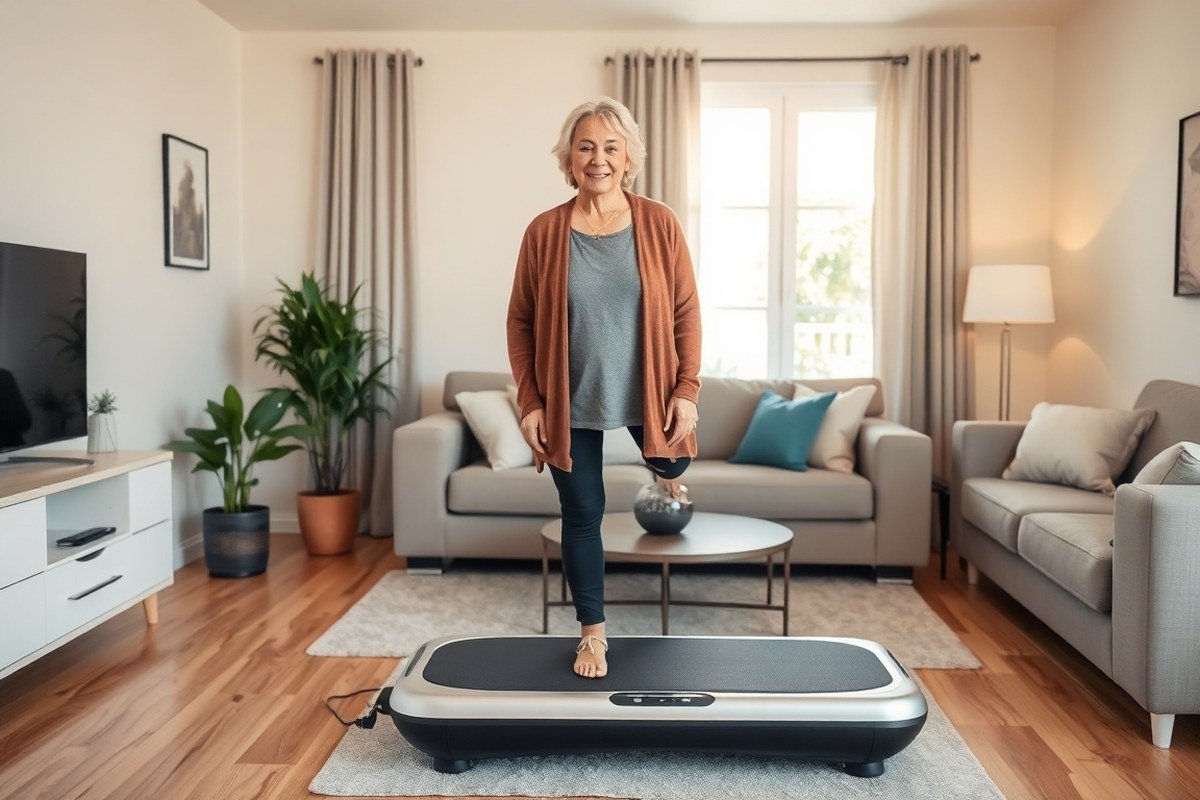
Vibration plates can offer real relief for arthritis pain and stiffness, especially when used regularly as part of a therapy routine. Research shows whole-body vibration therapy helps reduce joint pain by improving circulation and gently activating muscles around affected joints. This increased blood flow can ease stiffness commonly experienced in osteoarthritis. Many users report a decrease in pain intensity and better joint mobility after consistently using vibration plates for 10 to 15 minutes, three to five times a week.
For arthritis pain relief, the vibration frequency typically ranges from 15 to 25 Hz, which provides a calming effect on joint discomfort without causing excessive muscle strain. To improve joint stiffness and muscle strength, you can increase the vibration frequency to between 20 and 40 Hz, moving more cautiously with higher intensities. This approach allows muscles to support joints better, reducing the load and preventing pain flare-ups during daily activities or exercise. Using vibration plates as a warm-up before other low-impact workouts can further improve joint function and balance.
Results may begin to show within a few weeks of routine use, but it varies depending on arthritis severity, plate quality, and how consistently you use it. Users often notice improved balance and coordination, which reduces the risk of falls associated with joint stiffness. However, poorly chosen vibration plates or improper settings can increase discomfort or fatigue, so it’s essential to select a low-impact model designed for arthritis that has adjustable frequency and amplitude. Consulting with a healthcare provider before starting vibration plate therapy can ensure you use the correct protocols and avoid worsening symptoms.
How Vibration Therapy Works to Benefit Arthritic Joints
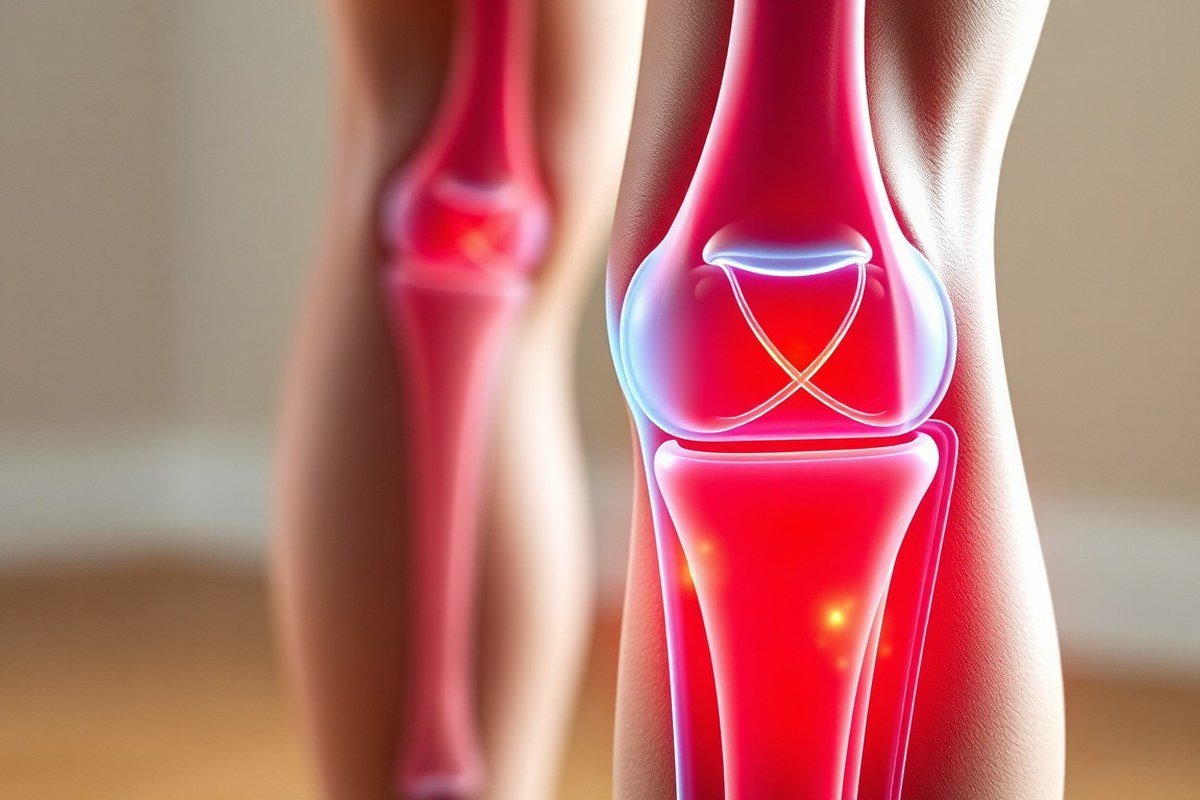
Vibration therapy benefits arthritic joints by directly stimulating muscles and joints to reduce pain and stiffness. The gentle vibrations at low frequencies between 15 and 35 Hz create a warming effect that improves blood flow without causing the pounding impact that could irritate inflamed joint tissues. By increasing circulation, the therapy helps deliver oxygen and nutrients to the joint area while accelerating the removal of inflammatory waste products.
This improved blood circulation supports synovial fluid movement inside the joints. Synovial fluid acts as natural lubrication, easing joint movement and reducing stiffness. When joints receive more nourishment and better lubrication, they tend to feel more flexible and less painful during daily activities. The mild muscle contractions induced by vibration also help activate stabilizing muscles around affected joints, improving joint support and function without placing excess strain on vulnerable areas.
Another critical mechanism involves inflammation reduction. Arthritis triggers release of inflammatory chemicals like IL-6 and TNF-α, which contribute to pain and swelling. Research shows vibration therapy can lower the levels of these substances, helping calm down inflammation. This creates a more comfortable environment for joint tissues. Reduced inflammation alongside better circulation and muscle activation contributes to the sensation of diminished pain often reported after sessions.
Vibration plates dull pain by modulating neuromuscular reflexes, essentially interrupting pain signaling pathways and promoting relaxation of tense muscles. Sessions typically last a few minutes at a time and can be repeated multiple times per week. They offer a low-impact alternative to conventional exercises, especially useful when joint sensitivity or stiffness limits movement.
Using vibration plates does require selecting appropriate settings, typically keeping intensity low enough to avoid overloading joints while still stimulating circulation and muscles effectively. Focusing on frequencies in the 15 to 35 Hz range ensures benefits without added risk. This balance allows you to gain relief from arthritis flare-ups without worsening symptoms.
Which Types of Arthritis Respond Best to Vibration Plate Therapy?
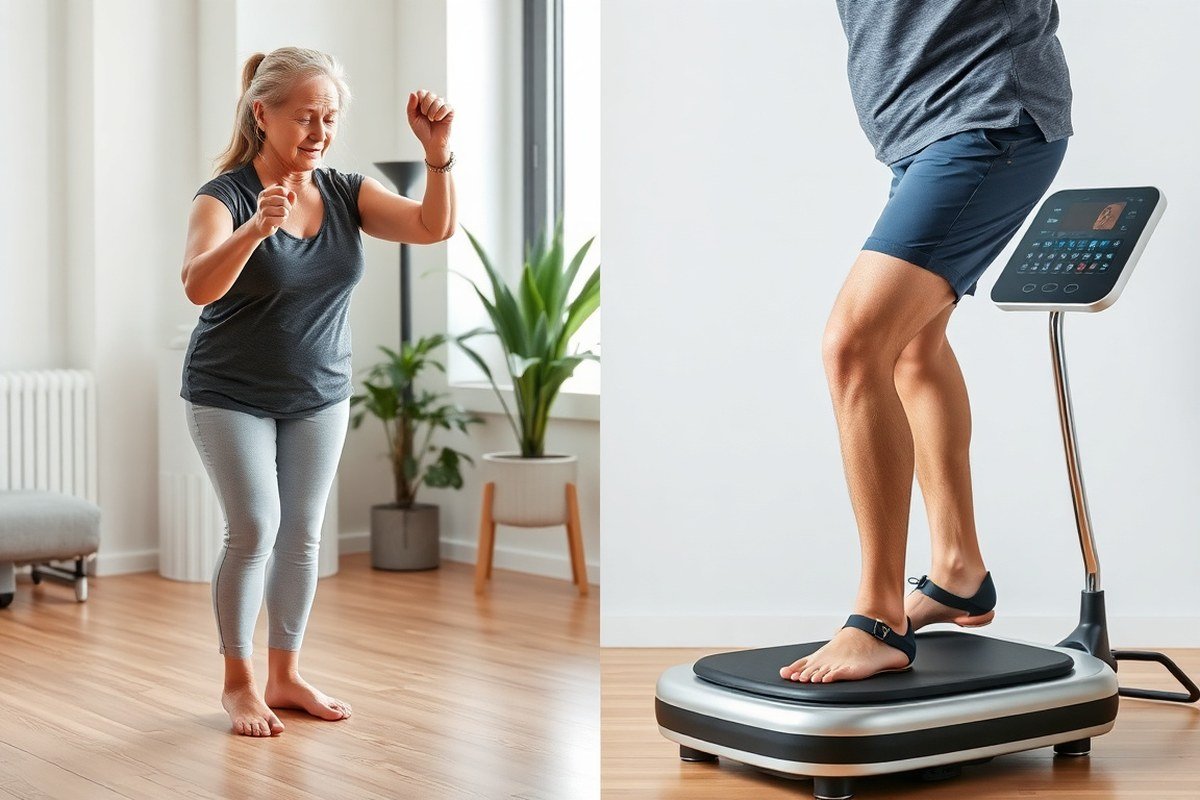
Osteoarthritis, the most common arthritis type, often responds well to vibration plate therapy when used at low frequencies between 25 and 40 Hz. This range helps stimulate synovial fluid and improves joint mobility without adding impact stress to worn cartilage. Vibration plates set to gentle oscillations effectively improve circulation and muscle activation around affected joints, easing stiffness and pain. Frequent sessions, typically several times per week, support sustained improvements in joint function.
Rheumatoid arthritis requires extra caution. As an autoimmune condition causing systemic inflammation, rheumatoid arthritis patients benefit most from very low-frequency vibration plates set below 30 Hz, especially during active flare-ups. Using vibration at these gentle settings can reduce neuromuscular response delays and improve hand grip strength, according to a Clinical Rehabilitation study. However, therapy should always be adjusted to avoid aggravating inflammation, focusing on brief, mild sessions during stable phases and avoiding vibration during intense active flare-ups. Safety is important because aggressive or higher-frequency vibration may worsen symptoms.
Other arthritis forms vary widely, but the principle remains to use vibration plates that deliver Controlled, low-frequency oscillations tailored to joint condition and tolerance. These machines typically cost from a few hundred dollars for home-use models to several thousand for clinical-grade units. Arthritis patients need stable, comfortable platforms with settings that allow gradual progression under professional guidance when possible. Not all vibration plates suit every arthritis type; improper use may increase discomfort or inflammation. Consulting a healthcare provider to customize therapy is advised, especially for autoimmune or severe inflammatory arthritis.
How Long and How Often Should Arthritis Patients Use Vibration Plates?
Start vibration plate sessions with low intensity and short durations around 10 minutes, three times per week. Your joints need time to adjust without becoming overstressed. Sessions lasting 10 to 20 minutes, repeated 3 to 4 times weekly, align well with clinical recommendations for knee arthritis management. Begin at low frequency and amplitude settings to minimize discomfort and avoid aggravating joint pain.
Work with your rheumatologist or physical therapist to design a personalized progression plan. Gradually increase session length by 5-minute increments as you tolerate the therapy, aiming to remain within 10 to 30 minutes per session. If you feel increased stiffness or pain, reduce the session duration or frequency and give your joints time to recover.
Consistency matters more than intensity alone. Using vibration plates regularly over 8 to 12 weeks is when many users start noticing reduced stiffness and improved joint function. Benefits will depend on your arthritis type, current joint health, and adherence to a balanced routine that includes stretching and strengthening exercises alongside vibration therapy.
The use of vibration plates can be tailored to your daily joint condition rather than sticking to a fixed schedule. This patient-focused approach ensures you avoid pushing through flare-ups or sensitive periods. Devices like the MERACH 4D adjust intensity automatically based on your weight and position to help maintain safe, effective vibration levels and prevent overexertion.
Progressing cautiously also reduces the risk of habituation, where sticking to one vibration pattern causes benefits to plateau. Advanced users may switch to machines offering multiple motion types such as the Rumblex 4D to stimulate joints from varying angles. However, in the early stages, focus on gentle, steady use to stabilize your symptoms safely and effectively.
Best Vibration Plate Types and Settings for Arthritis Relief
Oscillating vibration plates work best for arthritis because they create a gentle side-to-side motion. This motion distributes pressure evenly across joints like the knees, hips, and ankles, reducing the risk of aggravating inflamed cartilage. In contrast, vertical plates that move straight up and down can cause more compressive stress, which may worsen joint pain. Choosing an oscillating model supports safer, low-impact therapy.
The ideal frequency for arthritis relief falls within the lower range of around 5 to 15 Hz. Frequencies in this zone promote circulation and muscle activation without overstimulating the joint. Amplitude, or the size of the vibration movement, should be moderate; values around 10 to 12 mm reduce joint stress while maintaining effectiveness. High amplitudes can create discomfort, so sticking to mild-to-moderate settings helps you stay within a safe intensity level.
Look for vibration plates that offer adjustable speeds and vibration modes, including Oscillation, vertical, and combined 3D motions. Platforms designed with joint comfort features like curved silicone surfaces or acupressure nodes improve foot stability and reduce local pressure points. These features help maintain balance and comfort during your session, especially if you have sensitive or swollen joints.
| Feature | Recommended Specs for Arthritis |
|---|---|
| Vibration Type | Oscillating (side-to-side) preferred over vertical |
| Frequency Range | 5 to 15 Hz for gentle stimulation |
| Amplitude | 10 to 12 mm moderate amplitude |
| Platform | Curved or cushioned surface for joint comfort |
| Speed Levels | Multiple levels (10 to 80) for personalized control |
Choosing a plate with digital controls and preset programs lets you easily adjust settings as your comfort and needs change. Models with additional support options like resistance bands or foot massage features can further improve joint circulation. The cost for suitable devices generally ranges from $300 to about $700, reflecting motor power, features, and build quality. Prioritize stability and platform size to safely accommodate your weight and stance during therapy.
Effective Vibration Plate Exercises Specifically for Arthritic Joints
Mini squats on a vibration plate involve bending your knees only about 10-15 degrees while standing on the platform. This posture engages your legs and glutes gently, helping support the knee joints by building strength and improving stability. To perform mini squats safely, stand with feet shoulder-width apart on the plate, keep your back straight, and lower your body slightly without letting your knees go beyond your toes. Hold for 10 to 15 seconds, then stand up slowly. Repeat for 8 to 12 repetitions, allowing rest as needed, especially if new to vibration exercises.
Seated leg extensions reduce joint stress while still encouraging leg muscle activation. Sit in a sturdy chair and place your feet flat on the vibration plate. Slowly extend one leg at a time until straight and hold for a few seconds, then lower it without touching the plate fully. Alternate legs for 8 to 12 reps each. This movement improves knee mobility and strength with less pressure on arthritic joints.
A routine combining these exercises 3 to 5 times per week can effectively improve joint function and reduce pain. Start sessions with a 5-minute warm-up on low-frequency vibration to loosen stiffness. Each exercise set should last about 5 minutes, with careful attention to comfort. Consistent use supports mobility and strengthens muscles around affected joints without high mechanical load.
Adjust vibration settings to a gentle, oscillating mode to avoid aggravating inflammation. Choose plates offering multiple vibration patterns to tailor the stimulus daily based on joint comfort. Low-frequency vibration encourages circulation and lymphatic clearance, which may help reduce swelling. For safe practice, always stand or sit with good posture, avoid deep knee bends, and stop if pain worsens. Regularly consulting a healthcare provider ensures exercises meet your individual needs.
Safety Precautions and Who Should Avoid Vibration Plates
Safety precautions are essential when using vibration plates for arthritis to avoid worsening symptoms. You should start with low-intensity vibrations and short durations, such as 5 minutes per session, gradually increasing only if comfortable. Always consult your healthcare provider before beginning vibration therapy, especially if you have metal implants like knee replacements. These implants can react differently to vibrations, so professional advice ensures your safety.
Avoid vibration plates in certain conditions. People experiencing active joint inflammation, such as during a rheumatoid arthritis flare-up, should not use vibration therapy. Those with loose or unstable joint replacements, recent fractures, deep vein thrombosis, or advanced heart disease are also at increased risk and must refrain from vibration plate use until cleared by a health professional.
Watch for warning signs that indicate you should stop using the vibration plate immediately. Increased joint pain, swelling, numbness, or dizziness during or after sessions are red flags. Discontinue use and consult your doctor when these symptoms occur. Taking breaks between sessions and staying hydrated can reduce adverse effects.
To decide if vibration plates are right for you, follow this checklist: confirm you have no active inflammation or serious cardiovascular issues, have stable joint replacements if any, start at the lowest settings for no more than 5 minutes, and monitor your body’s response carefully. Uncertainties about how your medical history interacts with vibration therapy? Get tailored guidance from a licensed healthcare professional before continuing.
How to Choose the Best Vibration Plate for Arthritis: A Buyer’s Checklist
Choosing the right vibration plate for arthritis relies on several key features that support joint comfort and safety. First, prioritize machines with Adjustable frequency and intensity settings. This allows you to tailor the vibrations to your pain level without stressing your joints, which is essential for managing arthritis flare-ups.
The Platform design matters a lot; look for a sturdy, low-impact surface around 28 by 16 inches. It should offer enough space to stand comfortably and absorb shock to protect sensitive joints. A weight capacity between 300 and 450 pounds ensures durability and safety, matching most users’ needs.
Ease of use plays a significant role, especially if you have limited mobility or dexterity. Machines with simple controls, smart sensing technology, and preset programs can make your session easier to manage. Some models include connectivity options for smartphone apps that help monitor your progress.
Noise level can impact how often you’ll use the plate. Quieter models are more suitable for home use, preventing added stress during therapy sessions. Triple motor systems often provide smoother, more consistent vibrations, which benefits comfort and therapeutic effect.
Effective arthritis-specific vibration plates often include multiple vibration types like oscillation, lateral, pulse, or combined 4D settings. These help vary the muscle stimulation and joint loading patterns, promoting better stiffness relief without irritation.
Consider the machine’s total weight, typically around 40 pounds, for portability if you plan to move it frequently. Adding features like a curved surface can improve balance and reduce slip risks. Expect quality models with these features to cost several hundred dollars, reflecting their complexity and build.
Common User Mistakes and Tips for Starting Vibration Plate Therapy Safely
Starting vibration plate therapy too aggressively is a common mistake among people with arthritis. Many begin with high intensity settings or long sessions, which can increase joint pain rather than relieve it. It’s important to start with low vibration frequencies and short sessions, around 5 minutes, to let your body adapt. Use the lowest effective intensity and gradually extend session length by no more than 1 to 2 minutes every few days, provided you don’t experience increased pain 24 hours after using the plate.
Progress in vibration therapy should always be patient and based on how your body responds. Increase duration or intensity only if you feel comfortable and pain-free a day after a session. Avoid daily use at high intensities, which can irritate arthritic joints and cause inflammation. Instead, space sessions every other day or allow at least 48 hours between sessions to promote recovery.
If you notice pain or stiffness worsening after a session, reduce vibration intensity and session length. Rest for a day before trying again at a lower setting. Applying gentle joint stretches before and after using the plate can also help maintain flexibility and reduce discomfort. Consult your healthcare provider if pain persists or worsens despite these adjustments, as they can ensure the therapy fits your specific arthritis condition.
For steady progress, pay close attention to your body’s reactions. Start with simple standing exercises on the plate rather than more complex movements. Keep sessions brief and intensity mild at first, building up slowly over several weeks. This gradual approach minimizes the risk of flare-ups while maximizing the chances of improved joint mobility and pain relief.
How Vibration Plate Therapy Compares to Conventional Arthritis Exercises
Vibration plate therapy provides an alternative to conventional arthritis exercises like walking, resistance training, or physical therapy. While traditional exercises remain the most effective for building overall fitness and managing arthritis symptoms, vibration plates can complement or substitute these when physical impairment limits movement. For example, people with knee osteoarthritis who struggle with strength training may find vibration plates easier to use at home while still receiving benefits.
Research shows vibration plates deliver similar aerobic effects to moderate-intensity walking, which can help with joint mobility and cardiovascular health. A 2021 study found that vibration training improved pain relief, balance, and neuromuscular activation in knee osteoarthritis patients, sometimes performing equal to or better than standard strength training. This improvement in balance and function matters because it reduces fall risk and supports daily activities.
Compliance is often higher with vibration plate therapy since sessions are shorter and less physically demanding, reducing barriers like joint pain during exercise. A home-based vibration routine might require 10-20 minutes, two to three times a week, compared to longer sessions of walking or resistance training. This can help maintain consistent activity, especially for people who experience flare-ups or fatigue.
However, vibration therapy has limitations. It shows minimal impact on bone mineral density, unlike weight-bearing exercises, and should not fully replace traditional physical therapy approaches targeting strength and flexibility. Costs for vibration plates range widely, typically from $150 to over $1,000, which is more expensive upfront than walking or bodyweight exercises. For optimal arthritis management, combining vibration therapy with conventional exercise, medication, and lifestyle approaches offers the best outcomes.
Step-by-Step Action Plan for Using Vibration Plates with Arthritis
Start using a vibration plate safely and effectively with this quick guide designed specifically for arthritis relief.
- Before you start: Consult your doctor or a licensed physical therapist to ensure vibration plate therapy is safe for your arthritis type and overall health.
- Week 1: Use the vibration plate 2 times per week for 5 minutes at a low frequency (around 10-15 Hz). Notice if joint stiffness or pain improves without increased discomfort.
- Week 2: Gradually increase sessions to 3 times per week, extending each session to 8 minutes while keeping low to medium intensity settings.
- Week 3: Introduce gentle standing or simple weight-bearing exercises on the plate to target affected joints. Check if mobility feels better without added pain.
- After 4 weeks: Evaluate progress and adjust frequency or intensity based on comfort and effectiveness. Avoid exceeding 3 sessions per week and 15 minutes per session.
- Ongoing: Maintain consistent sessions 2 to 3 times weekly with brief, joint-friendly exercises. Track any changes in pain and stiffness to discuss at follow-up with your healthcare provider.
- Always: Avoid vibration plates if you have severe osteoporosis, recent joint replacement, or joint inflammation flare-ups unless cleared by a doctor.
Frequently Asked Questions
Are Vibration Plates Safe for Seniors with Arthritis?
Vibration plates can be safe for seniors if used with gentle settings and short sessions. Always start slowly and consult your doctor to avoid strain or injury.
Can Vibration Plates Help with Arthritis Flare-Ups?
Yes, vibration plates may calm pain and reduce stiffness during flare-ups when used at low intensity. Use as a warm-up or part of your therapy routine for best results.
Is Oscillating Vibration Better Than Linear for Arthritis Joint Relief?
Oscillating vibration plates usually offer better arthritis joint relief than linear ones. Their side-to-side motion spreads load evenly, reducing joint stress and discomfort.
Can Vibration Plates Replace Traditional Arthritis Exercises?
Vibration plates complement but do not replace traditional arthritis exercises. Use them as an add-on for stiffness relief and improved circulation while maintaining normal exercise.
How Quickly Can I Feel Benefits Using Vibration Plates for Arthritis?
Some people notice stiffness relief in as little as a few sessions, but consistent use over weeks is often needed for lasting benefits. Patience and proper technique matter most.
Wrapping Up
Vibration plates can offer meaningful relief for arthritis pain and stiffness when used carefully and consistently. Start slow, monitor your body’s response, and work closely with your healthcare provider to get the best results. Taking the first safe steps with vibration therapy could help you improve joint comfort and mobility over time.