Are Treadmills HSA Eligible? A Complete Guide to Secure Your Reimbursement
Are treadmills HSA eligible? You can use your Health Savings Account funds to buy a treadmill, but only if it’s prescribed for a medical condition. A signed Letter of Medical Necessity from your physician is the key to qualifying your treadmill purchase for HSA reimbursement. Start by getting this letter to ensure your expense meets IRS guidelines.
Key Takeaways
- Only treadmills prescribed for specific medical conditions qualify for HSA reimbursement, not those for general fitness.
- A board-certified doctor must issue a Letter of Medical Necessity for your treadmill, valid for 12 months and renewable yearly.
- Choose among treadmill models like the Commercial 2450, X24 Incline Trainer, or T Series 10, which are commonly HSA eligible.
- Contributions to your HSA can reach $4,150 per individual or $8,300 for a family annually, maximizing tax advantages.
- Paying $1,200 for an eligible treadmill with HSA funds can save roughly $360 in taxes based on a 30% combined rate.
- Submit your medical details online for an LMN through services like Crates, often approved within 24 hours for about $29.
Are Treadmills Eligible for HSA Reimbursement?
Treadmills don’t qualify for automatic HSA reimbursement. The IRS permits Health Savings Account funds to pay for expenses related to treating or managing diagnosed medical issues, not for general health or fitness items. The main IRS guideline, found in Section 213(d) of the tax code, states that eligible medical expenses include costs for diagnosing, curing, mitigating, treating, or preventing diseases. Treadmills fall under Dual purpose fitness equipment, so they may only be reimbursed when a licensed healthcare professional prescribes them as part of a medical treatment plan.
For a treadmill to qualify as an HSA eligible expense, you need documentation from a healthcare provider that specifically recommends the treadmill to treat a diagnosed condition such as hypertension, obesity, or diabetes. The IRS does not consider treadmills eligible simply because they promote general health. Without a Letter of Medical Necessity (LMN) or similar proof, the purchase will likely be rejected during HSA expense review since it counts as a personal, non-medical expense.
To use your HSA funds for a treadmill, start by getting a medical evaluation and a written prescription or LMN that states the treadmill is part of your treatment. Some treadmill models may be easier to justify based on features prescribed by your healthcare provider, but eligibility depends on the medical condition and physician’s recommendation rather than the treadmill brand or price. Once you submit the proper documentation with your claim or receipt, HSA administrators typically accept the treadmill cost as an eligible medical expense.
What Medical Conditions Qualify a Treadmill for HSA Use?
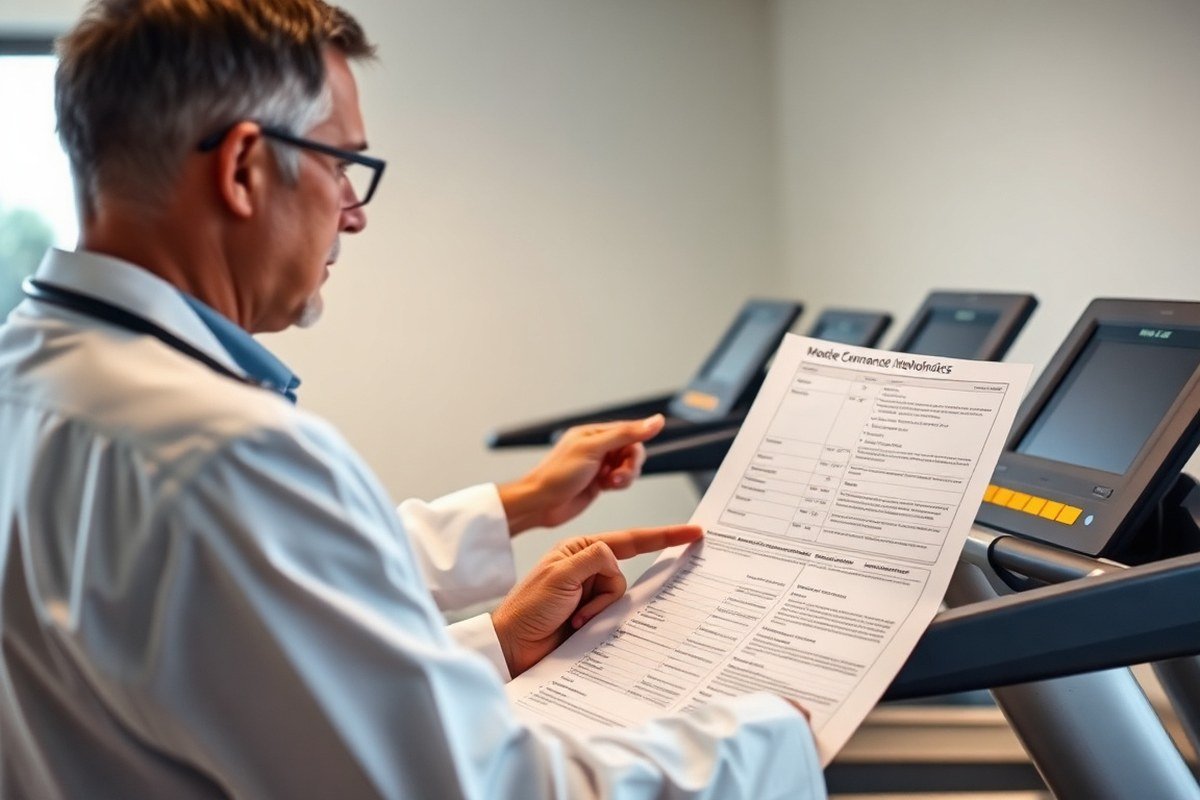
A treadmill qualifies for HSA reimbursement if your healthcare provider issues a Letter of Medical Necessity (LMN) stating it is part of your treatment for a diagnosed medical condition. General wellness or weight loss alone usually does not meet the criteria. The LMN must clearly link treadmill use to managing or improving a specific health issue.
Common qualifying conditions include chronic illnesses where controlled aerobic exercise is medically prescribed. Type 2 diabetes is a good example: sustained treadmill use helps regulate blood glucose, making it a valid expense. Cardiac rehabilitation is another typical condition where treadmills are often prescribed as part of recovery and ongoing heart health management.
- Type 2 diabetes and prediabetes for glucose control
- Cardiovascular diseases and cardiac rehab
- Obesity and overweight combined with medical supervision
- Hypertension requiring regular aerobic activity
- Arthritis or joint pain benefiting from low-impact exercise
- Post-surgery or injury rehabilitation prescribed by a physician
To get reimbursement, the LMN must specify the treadmill usage plan, ideally indicating daily or regular low-impact aerobic exercise over a set period, such as 30 minutes on most days for 12 months. The letter should explain how this exercise helps treat your condition rather than just general fitness. This targeted approach helps avoid claims denial, since treadmills used solely for weight loss without a medical diagnosis do not typically qualify for HSA funds.
How to Get and Use a Letter of Medical Necessity (LMN) for a Treadmill

Your health savings account (HSA) or flexible spending account (FSA) requires a Letter of Medical Necessity (LMN) before it will cover a treadmill purchase. This letter shows that a licensed healthcare provider has prescribed the treadmill to treat a diagnosed medical condition. The LMN must be secured Before you buy the treadmill, as submitting it afterward could lead to denial of reimbursement.
The LMN must include your diagnosis, the prescribed treadmill’s use as part of your treatment, and your provider’s credentials along with a dated signature. Typically, the letter is valid for 12 months and can be renewed annually if your medical condition requires ongoing treatment. Getting the LMN quickly often means booking a visit with your doctor or using an online service where a board-certified physician reviews your medical profile and, if appropriate, issues the letter, this service usually costs around $29. Here is a step-by-step guide to obtaining and using an LMN effectively:
- Consult your healthcare provider about your medical need for a treadmill and mention that you want to use HSA or FSA funds for purchase.
- Request an LMN that includes your condition, treatment plan, treadmill prescription, and provider’s credentials and signature.
- Review the LMN for completeness and correct dates, ensuring it is dated before the treadmill purchase.
- Submit the LMN to your HSA/FSA administrator with purchase receipts and any other required documentation.
- Retain copies of all documents for your records and possible future audits.
A sample LMN script might read: “Patient suffers from diagnosed condition X requiring increased low-impact exercise. A treadmill is medically necessary to facilitate prescribed physical activity as part of treatment. This letter certifies that the treadmill purchase qualifies as a medical expense.” Make sure the letter specifically mentions the treadmill to avoid confusion. Following these steps closely can improve your chances of acceptance by HSA administrators and help you avoid common pitfalls during reimbursement.
Which Treadmill Brands and Models Are Commonly HSA Eligible?
Treadmill brand or model does not affect HSA eligibility. The eligibility depends on whether you have a Letter of Medical Necessity (LMN) from your doctor. Brands like Hoka and Brooks, known for supporting foot and knee conditions, do not influence eligibility if purchased directly with an HSA card. Common home treadmill models and walking pads can qualify, provided they meet medical needs documented by an LMN. Under-desk treadmills and walking pads have a separate set of criteria but may also qualify under HSA rules.
Weight capacity and sturdiness matter. Many walking pads support up to 300 pounds with a stable platform, which suits heavier users. Basic, foldable models are typically acceptable when supported by an LMN since they allow the user to follow medical exercise routines such as those prescribed for peripheral artery disease (PAD). More expensive models may have advanced features like incline walking, which research shows can boost muscle activation and energy use, but eligibility is not limited to these models.
| Model Type | Typical Price | Weight Limit (lbs) | Notes on HSA Eligibility |
|---|---|---|---|
| Basic Walking Pad | $500 | 300 | Stable platform, meets medical needs with LMN |
| Mid-Range Foldable Treadmill | $1,200 | Up to 300 | Portable, suitable for home exercise per LMN |
| Standard Home Treadmill | $2,000 | 250-300 | Common medical prescription exercise equipment |
| Advanced Incline Treadmill | $3,000 | 250 | Supports improved muscle activation, LMN dependent |
Models like the Peloton Tread may or may not be eligible, depending on the use documented in your LMN. Walking pads and foldable treadmills generally qualify as long as you meet weight and medical necessity guidelines. A letter from your healthcare provider stating the need for home treadmill exercise is essential regardless of the specific brand or model you choose. The tax savings on purchase price range from $100 to $900 depending on the treadmill cost and your tax bracket.
How to Pay for a Treadmill Using HSA Funds and Avoid Common Mistakes
Using your HSA or FSA funds to pay for a treadmill can be straightforward if you understand the payment options and keep proper records. You can often use your HSA or FSA debit card directly at checkout, treating it like a credit card. Some vendors, like Amazon, CVS, or Walgreens, mark eligible treadmill products with FSA/HSA tags to make this easier. If your funds are insufficient, consider splitting the payment between your HSA card and another form of payment.
Direct use of your HSA card might trigger a request for additional documentation. This happens because a treadmill purchase often involves a significant amount, requiring plan administrators to verify the medical necessity. Many people choose to pay with a regular credit card upfront and then file a reimbursement claim through their HSA or FSA, attaching all necessary paperwork.
- Keep the receipt showing the purchase date, treadmill model, and price
- Retain a Letter of Medical Necessity from your healthcare provider
- Save any related subscription or maintenance service invoices if these fees qualify
- Maintain records of your payment method and bank statements
- Submit claims promptly to avoid losing eligible funds due to plan deadlines
Subscriptions or app fees for treadmill training can sometimes be reimbursed if prescribed as part of your treatment, but check your plan’s coverage details. Avoid common mistakes such as losing receipts, submitting incomplete claims, or waiting too long to file for reimbursement. Also, verify with your plan administrator whether extra costs are eligible before paying. Staying organized and proactive will help ensure smoother approvals and efficient use of your HSA resources.
Step-by-Step Action Plan for Using Your HSA to Buy a Treadmill
Follow these steps to secure HSA reimbursement for a treadmill due to medical needs and avoid common pitfalls.
- Before you buy: Consult your healthcare provider to determine if a treadmill is medically necessary for your condition and request a Letter of Medical Necessity. Success is having a clear LMN that specifies your condition and need.
- Day 1: Confirm with your HSA administrator the exact documentation needed to approve treadmill expenses. You’ll know it worked when they clearly outline their requirements.
- Day 2: Choose a treadmill brand and model that aligns with HSA eligibility based on medical use, often standard home models recommended by your doctor. Success is picking one that fits your medical needs and HSA rules.
- Day 3: Keep all purchase receipts and submit your claim with the LMN and other required documents to your HSA provider. A successful claim submission means you receive confirmation from the HSA administrator.
- Week 1: Follow up if there is no reimbursement confirmation within your HSA’s standard timeframe (check your plan details). You know it worked when funding reimburses your purchase or the process is clearly explained.
- After 2 weeks: Begin treadmill use as directed by your healthcare professional to support your medical condition. Adhering to medical advice ensures that your purchase aligns with the purpose outlined in the LMN.
- Ongoing: Maintain records of treadmill use and any future medical recommendations in case of audits from your HSA provider. Good documentation reduces the risk of denied claims later.
Frequently Asked Questions
Can I Use HSA Funds to Buy Any Treadmill Model?
Only treadmills prescribed by a healthcare provider for a medical condition qualify for HSA reimbursement; general exercise treadmills don’t automatically qualify. Ensure you have proper documentation like a Letter of Medical Necessity from your doctor.
Does Insurance Cover Treadmill Costs When Used for Medical Treatment?
Insurance rarely covers treadmills directly, but HSA or FSA funds may reimburse your purchase if prescribed for a diagnosed condition. Confirm with your plan and keep all documentation to support the medical necessity.
What Medical Documentation Is Required to Make a Treadmill HSA Eligible?
You need a Letter of Medical Necessity from a licensed healthcare provider stating the treadmill is a treatment for a specific diagnosed condition. This document is essential to qualify the treadmill under IRS guidelines.
Are Walking Pads Also Eligible for HSA Reimbursement Like Treadmills?
Walking pads or compact treadmills can be HSA eligible if prescribed by a physician to treat a specific medical condition, similar to standard treadmills. Documentation is important to prove medical necessity.
Can I Use HSA Funds to Pay for Treadmill Maintenance or Repairs?
HSA funds typically don’t cover maintenance or repairs; they are meant for equipment used to treat a condition. Check your plan’s rules and consult your provider before using HSA funds for repairs.
The Bottom Line
Using your HSA to buy a treadmill can be a valid medical expense if you meet specific criteria and follow proper steps. Secure a Letter of Medical Necessity from your doctor and check requirements with your HSA administrator before purchasing. Start by scheduling a visit with your healthcare provider to discuss how a treadmill could support your treatment plan.