
Are Vibration Plates Bad for Kidneys? Safe Use Tips & Research Insights
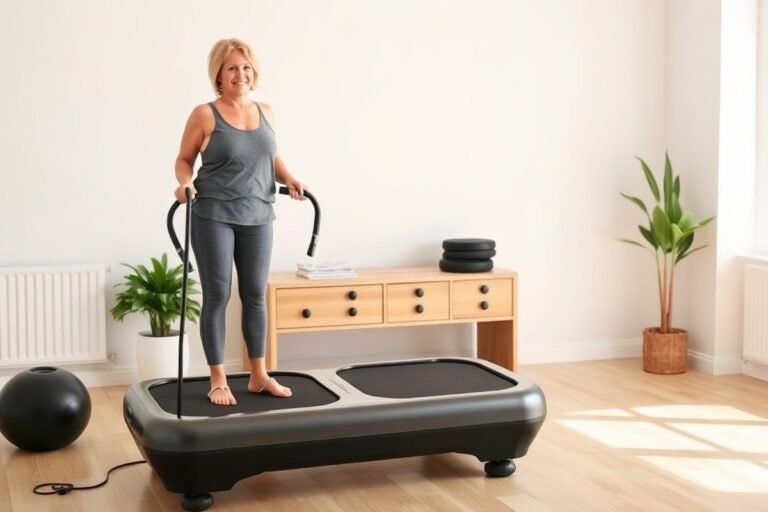
Are vibration plates bad for kidneys? No, current evidence shows they are safe for kidney health when used properly. Keep your sessions short and low intensity to avoid unnecessary strain. Start with 10 to 15 minutes at a low to moderate vibration level, and consult your healthcare provider if you have existing kidney issues.
Key Takeaways
- Limit vibration plate sessions to no more than 20 minutes to protect kidney health.
- Maintain low to moderate vibration intensity, especially if you have kidney concerns.
- Keep a stable posture during use to reduce unnecessary stress on your body and kidneys.
- Get medical clearance before using vibration plates if you have kidney disease or implants.
- Watch for unusual pain, swelling, or discomfort near your kidneys during or after sessions.
- Hydrate well before and after vibration sessions to support kidney function.
Are Vibration Plates Bad for Kidneys? What Research Shows
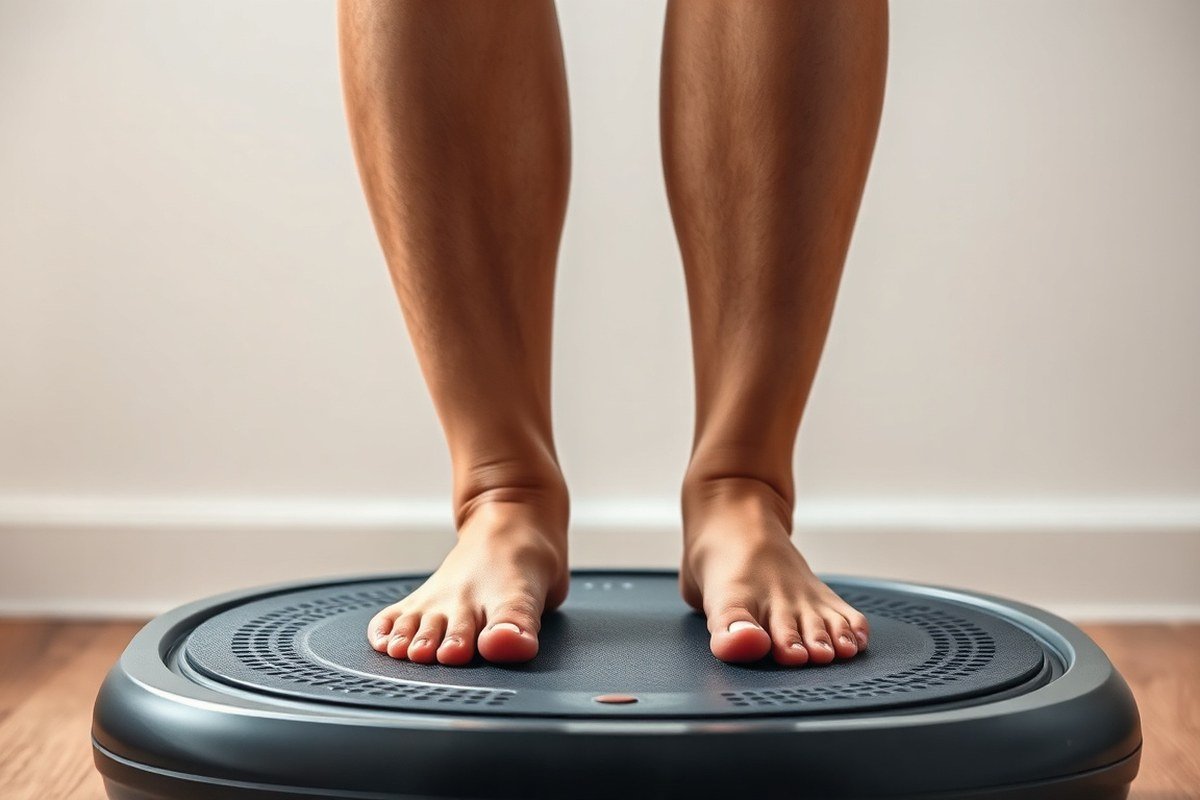
Vibration plates are generally safe for healthy kidneys based on available scientific research. Studies show no evidence that typical use of vibration plates harms kidney function. They apply mechanical oscillations to the body, which can increase blood flow and stimulate muscle and bone health without damaging internal organs when used properly. The key is to use vibration plates at recommended frequencies and durations.
Research, including laboratory studies using vibration frequencies between 20 and 100 hertz, found no damage to kidney tissue or function during controlled sessions lasting 10 to 20 minutes once daily. For example, a study on low-intensity vibration therapy showed benefits to bone health without adverse effects on organs like kidneys, even in models of certain illnesses.
Healthy kidneys tolerate vibration well because they are resilient to mild mechanical stresses applied by these machines. No scientific articles link vibration plates to kidney injury in healthy individuals. Nevertheless, kidneys respond to internal body changes differently than muscles or bones, so avoiding overuse is key. Using vibration plates sensibly, such as following guidelines on posture, session length, and intensity, supports fitness goals without risk.
People with existing kidney conditions, including kidney stones or chronic kidney disease, should consult a healthcare provider before using vibration plates. Since vibration can slightly alter blood flow, individual medical advice helps prevent complications. If you notice symptoms like unusual fatigue, swelling, or changes in urination during or after use, stop and seek medical evaluation.
How Vibration Plates Affect the Body and Kidney Health
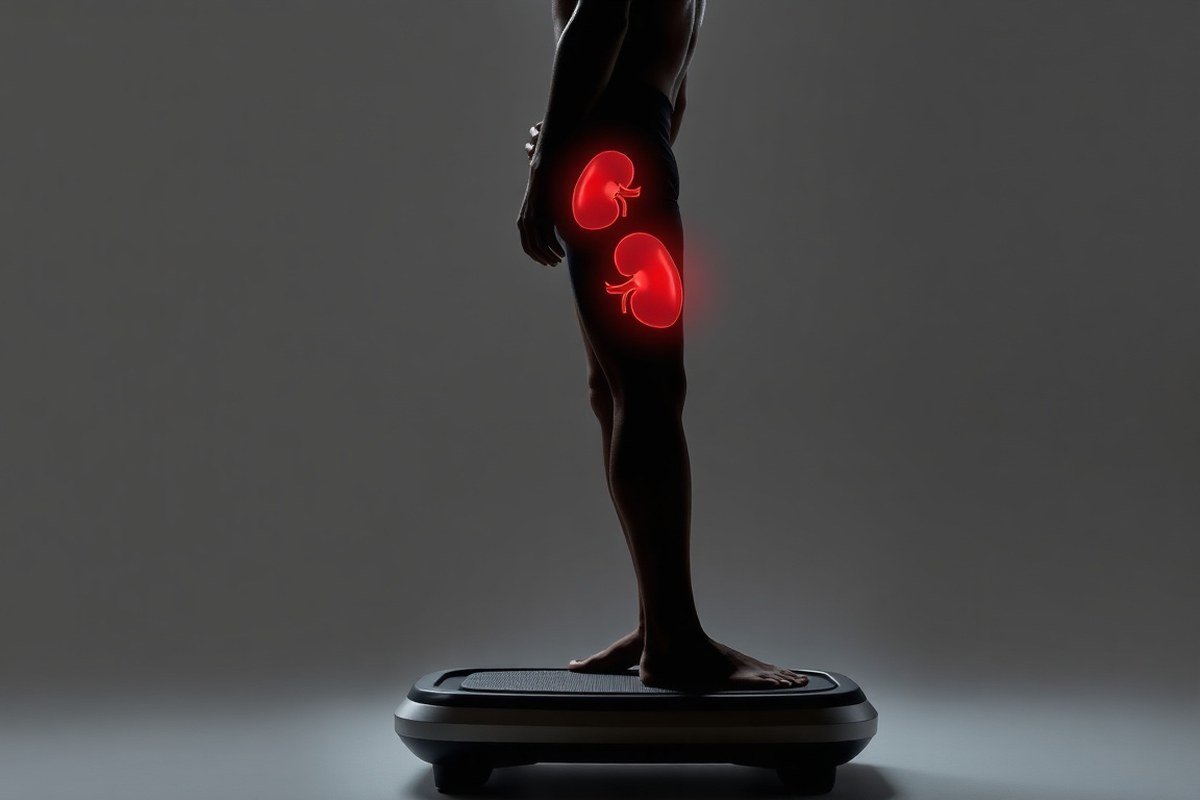
Vibration plates produce mechanical vibrations that travel through your body when you stand, sit, or perform exercises on them. These vibrations stimulate muscles and bones by causing rapid muscle contractions, which can improve strength and circulation with regular use. The vibrations typically range from about 15 to 50 Hz, with session times lasting between 5 and 15 minutes recommended to prevent overloading your body.
Although these vibrations affect muscles, joints, and bone density, the kidneys receive only minimal direct vibration because they lie deep within the abdominal cavity, cushioned by surrounding organs and tissues. The mechanical energy dissipates significantly before reaching the kidneys, so they are generally not at risk from the vibrations.
Higher vibration frequencies and longer sessions might increase strain on your cardiovascular system more than on your kidneys. Intense vibrations can raise your heart rate and blood pressure, but for healthy adults using moderate settings with soft knee bends, this remains safe and unlikely to cause kidney harm. People with certain kidney conditions or recent abdominal surgeries should use vibration plates cautiously or under medical supervision, as their bodies may respond differently.
Safe use involves controlling session duration and vibration intensity. Starting with lower frequencies around 15-20 Hz and sessions under 10 minutes helps your body adapt without unnecessary strain. Avoid standing stiffly; instead, keep knees slightly bent to absorb shock and reduce transmission to internal organs.
When used properly, vibration plates can support your muscle and bone health while posing little direct threat to kidney function. However, staying within recommended limits and paying attention to how your body feels during and after sessions are key to protecting your kidneys and overall health.
Safe Session Length, Intensity, and Posture for Protecting Kidneys

Keeping vibration plate sessions between 10 to 15 minutes at a low to moderate intensity helps protect your kidneys from unnecessary strain. Longer sessions over 15 minutes increase the risk of overexertion, which could negatively affect kidney function, especially if you have any existing kidney concerns. Using the machine about 3 to 4 times per week strikes a good balance, allowing enough rest for your kidneys to recover. Rest days are important; plan at least one full day without vibration training each week to avoid cumulative stress.
Maintaining Proper body posture is key to limiting strain during your session. Stand with knees slightly bent rather than locked, and keep your core engaged to stabilize your spine. This posture lowers the vibration’s effect reaching sensitive organs such as the kidneys. Avoid leaning excessively forward or backward, as uneven weight distribution can cause unwanted pressure. Adjust settings on the vibration plate to a moderate amplitude and frequency, which produces effective muscle activation without harsh jolts that stress the body.
Older adults or beginners should begin with daily 5-minute sessions at the lowest vibration settings. Gradually increase the duration and intensity only after your body adjusts comfortably. For people with medical implants or orthopedic concerns, it’s necessary to check with your doctor first, your healthcare provider can recommend specific intensity limits and session lengths tailored to your health profile. Hydration before and after using the vibration plate also supports kidney health by helping your body manage any metabolic effects of the training.
Who Should Avoid or Get Medical Clearance Before Using Vibration Plates
People with pre-existing kidney conditions such as chronic kidney disease or a history of kidney stones should get medical clearance before using vibration plates. The physical vibrations can potentially aggravate existing kidney problems or cause discomfort. Kidney stones, in particular, create a risk because vibration may unsettle or move stones, leading to pain or complications. Consulting a healthcare provider helps evaluate your specific condition and determine if vibration plate use is safe or if modifications are needed.
Beyond kidney conditions, several other health issues increase the risk of adverse effects from vibration plates. Some may seem unrelated but can influence how your body responds to vibration. These factors affect your decision to use these machines safely.
- History of kidney stones or active kidney disease
- Chronic kidney disease under treatment or monitoring
- Recent injuries, especially in the lower back or abdomen
- Bone conditions like osteoporosis or bone metastases
- Active blood clots or recent thrombotic events
- Uncontrolled hypertension or cardiovascular issues
- Any other chronic condition requiring professional supervision
Deciding whether to use a vibration plate starts with a clear checklist:
- Identify any pre-existing kidney or related systemic conditions. List any diagnosed kidney disease or recent kidney stone episodes.
- Assess current health status. Note recent injuries or ongoing chronic illnesses.
- Consult your healthcare provider. Share your health list and inquire whether vibration therapy is advisable.
- Follow professional recommendations. This may include supervised use, adjusted settings, or avoiding vibration plates altogether.
This approach takes only a few minutes but helps prevent complications. It costs nothing beyond your doctor visit and provides peace of mind. Avoid self-prescribing vibration plate use if you’re unsure. With clearance and guidance, you can safely explore this fitness tool while protecting your kidney health.
Monitoring Kidney-Related Warning Signs During and After Use
Monitoring kidney-related warning signs during and after using a vibration plate means paying close attention to certain symptoms that could signal a problem. Flank pain, nausea, dizziness, and changes in urine color are key signs that your kidneys might be stressed. These symptoms require immediate action because continuing the session could worsen kidney function or trigger other health issues.
When you notice discomfort near your lower back or sides during a session, stop immediately. The flank pain can indicate irritation near the kidneys or muscles close by. Nausea or dizziness often shows your body isn’t tolerating the vibration well, especially if you’re new to this type of exercise. Changes in urine such as cloudiness, dark color, or visible blood are also red flags that signal the need to pause and assess your condition.
- Stop the session the moment you feel flank pain or sharp discomfort in your back sides.
- Notice any nausea, dizziness, or headache? Pause and sit down until symptoms subside.
- Check your urine color after sessions, dark or bloody urine means see a doctor.
- Stop and rest to prevent falls whenever dizziness or numbness happens during use.
- For any chest discomfort or unexpected symptoms, seek medical advice promptly.
- Avoid vibration plates when you suspect kidney stones until a doctor gives clearance.
Reacting quickly to these signs protects your kidneys and overall health. Use hydration and rest to recover and consult a healthcare provider for persistent symptoms. Adjust your session intensity or duration based on how your body responds to reduce the risk of further kidney or related issues.
Safe Session Progression Timeline to Avoid Kidney Strain
You should start your first vibration plate session at low intensity and no more than 5 minutes to reduce the risk of kidney strain. Begin with a simple standing position that keeps your posture neutral and avoids excess pressure on your abdomen. This gentle start allows your body to adjust to the vibrations without overloading your kidneys or other organs.
Gradually extend your sessions over a few weeks, aiming to reach 10 to 15 minutes at a low to moderate vibration level as advised by safety standards. Avoid raising duration or intensity too fast to prevent discomfort or muscle strain, increasing by only 2 to 3 minutes weekly. Notice any sensations around your kidney area during and after each workout.
- Week 1: Start at low intensity, 5 minutes per session, twice a week
- Week 2: Increase to 7-8 minutes, maintain low intensity, 2-3 sessions per week
- Week 3: Extend session length to 10 minutes, consider slight increase to moderate intensity
- Week 4: Maintain 10-12 minutes, moderate intensity, up to 3 sessions weekly
- Week 5 and beyond: Aim for 15 minutes at moderate intensity, avoid exceeding 3 sessions per week
Adjust your progression based on personal tolerance, slowing down if you notice kidney discomfort or general fatigue. Staying hydrated helps support kidney function during vibration plate use. Keeping sessions under 15 minutes and monitoring your body’s responses reduces the risk of adverse effects while allowing you to gain the fitness benefits safely.
Comparing Vibration Frequencies and Their Impact on Kidney Safety
Vibration plates use different frequency settings to target muscle and bone stimulation, but not all frequencies have the same effect on kidney safety. Low frequencies tend to produce gentle vibrations that minimize internal organ disturbance. Medium and high frequencies increase vibration intensity and can pose more risk if used improperly or for extended periods, especially for people with preexisting kidney issues or recent abdominal surgery.
The table below compares typical low, medium, and high vibration frequencies found on vibration plates and their implications for kidney protection. Staying within low to medium frequencies is generally recommended to Reduce the risk of kidney strain and avoid internal stress. High frequencies might be better suited for short bursts in healthy individuals but might not be safe for everyone.
| Frequency Range (Hz) | Vibration Intensity | Kidney Safety Considerations | Recommended Use for Kidney Protection |
|---|---|---|---|
| 5, 15 | Low | Minimal internal organ vibration; safer for sensitive conditions | Optimal for most users, especially those with kidney concerns |
| 15, 30 | Medium | Increased intensity; may cause mild internal vibration | Use with caution; limit session length and monitor for discomfort |
| 30, 50+ | High | Strong vibrations; potential risk to kidneys and surrounding tissues | Avoid or limit severely; not advisable for users with kidney issues |
Choosing the right vibration frequency depends on your health status and goals. Frequencies below 15 Hz are usually the safest for kidney protection and effective enough to engage muscles and bones without excessive internal impact. Use medium frequencies sparingly and avoid high frequencies if you have any kidney-related concerns. Always maintain proper form during sessions to prevent unnecessary pressure on the kidneys, and consult a qualified health professional if you are unsure about the best settings for your situation.
Hydration, Nutrition, and Lifestyle Tips to Support Kidney Safety
Hydration plays an essential role in protecting your kidneys when using vibration plates. Staying well hydrated before sessions helps your kidneys filter waste efficiently and manage any stress from increased physical activity. Aim to drink 16 to 20 ounces of water about 30 minutes before your workout. Avoid consuming large amounts of fluids immediately before or during your session to prevent discomfort. You should follow your healthcare provider’s advice on fluid intake closely when managing kidney disease or fluid restrictions.
Nutrition timing affects how your body responds to vibration plate exercise and supports kidney safety. Eating a light meal or snack containing protein and complex carbohydrates 1 to 2 hours before your session can provide energy without overloading your digestive system. Avoid heavy or salty meals close to exercise; excessive salt may increase kidney strain by affecting blood pressure and fluid balance. For those on medications for kidney health, it is important to take them as prescribed, preferably with a small amount of food to reduce side effects while ensuring proper absorption.
Your overall lifestyle, including regular physical activity and avoiding harmful habits, improve the safety of vibration plate use for your kidneys. Maintaining general fitness supports blood flow and kidney function, making it easier for your body to handle the mild mechanical stress from vibration. Combine vibration plate sessions with aerobic exercises like walking or cycling on non-vibration days to boost kidney health. Also, limit alcohol intake and avoid smoking, as these can worsen kidney function over time.
People with chronic kidney conditions or risk factors like hypertension or diabetes should combine these hydration and nutrition strategies with medical supervision. For example, you might use a personal vibration plate at home alongside ongoing medical checkups, adjusting fluid and food intake based on your doctor’s guidance. Good results include feeling energized without discomfort, stable blood pressure, and no unusual symptoms post-session. Ignoring these factors may increase kidney workload or cause dehydration, which can contribute to kidney damage in vulnerable individuals.
Your First 30 Days: A Quick-Start Plan for Kidney-Safe Vibration Plate Use
Start using your vibration plate with kidney safety in mind by following this phased plan. It helps you build tolerance without overloading your kidneys.
- Before you start: Check with your healthcare provider if you have any kidney disease or concerns. Approval means you can begin safely.
- Day 1: Use the vibration plate for just 1 minute at low intensity and monitor for any discomfort or unusual symptoms. No adverse signs mean it’s safe to continue.
- Week 1: Increase to 3 sessions a week, each lasting 3 minutes at low to moderate intensity. Feeling good after sessions shows your kidneys are handling it well.
- Week 2: Add hydration before and after each session (about 8 ounces of water) and maintain good posture during use. No signs of swelling or pain confirms kidney safety.
- Week 3: Gradually increase session time to 5 minutes and include light stretching before and after. Comfort and steady energy levels indicate no kidney strain.
- Week 4: Track your weight and urine color daily to detect hydration and kidney function changes. Stable readings suggest you’re on the right track.
- After 30 days: Evaluate overall kidney-related symptoms like back pain or swelling; consult your doctor if any appear. Otherwise, consider increasing session duration or intensity slowly.
Frequently Asked Questions
Can Vibration Plates Cause Kidney Damage over Time?
No, vibration plates do not cause kidney damage over time when used properly. Consistent use within recommended limits helps you avoid any undue stress on your kidneys.
Are Vibration Plates Safe for People with Chronic Kidney Disease?
People with chronic kidney disease should consult their doctor before using vibration plates. A medical professional can advise if it’s safe based on your condition and overall health.
Do Vibration Plates Affect Kidney Function Tests?
Vibration plates do not directly affect kidney function test results. Any changes in results usually relate to underlying health or hydration status rather than vibration exposure.
Can Vibration Plates Worsen Kidney Stones?
Vibration plates might aggravate kidney stone symptoms if you already have stones. Talk to a healthcare provider before using them if kidney stones are a concern.
Is There a Risk of Kidney Injury from High Vibration Frequencies?
High vibration frequencies, used improperly, could potentially cause discomfort but are unlikely to injure kidneys. Stick to recommended frequencies and durations for safety.
The Bottom Line
Most evidence indicates vibration plates do not harm healthy kidneys when used correctly and cautiously. You should start slow, stay hydrated, and watch for any unusual symptoms. The best next step is to discuss your specific health situation with a healthcare provider before continuing regular use.