Are Vibration Plates Good for Hypermobility? Safe Use and Proven Benefits
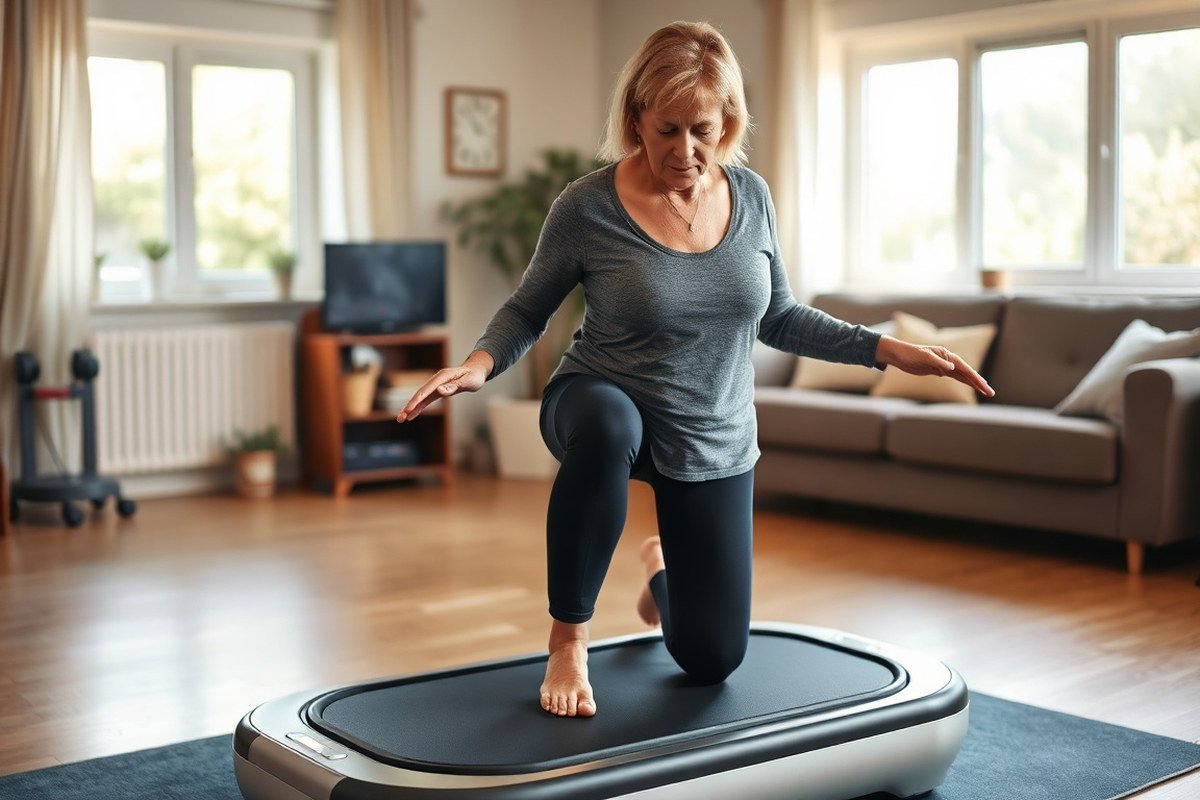
Are vibration plates good for hypermobility? Yes, they can be beneficial and safe when used correctly, helping improve muscle strength and joint stability without excessive strain. Starting with low frequencies (15-20 Hz) and short sessions is key to avoid overloading hypermobile joints.
Key Takeaways
- Use vibration plates at frequencies between 15-25 Hz with moderate amplitude for optimal safety and benefits.
- Begin with short sessions of about 5 minutes before gradually increasing to 15-20 minutes as tolerated.
- Light cardio or dynamic stretching before vibration training helps prepare muscles and reduce injury risk.
- Weighted half-squats on a vibration plate simulate moderate-intensity exercise without high joint impact.
- Training two to three times weekly over 6 to 8 weeks supports improved muscle strength and joint stability.
- Avoid vibrations above 50 Hz to minimize side effects and maintain user safety.
Are Vibration Plates Beneficial and Safe for Hypermobility?
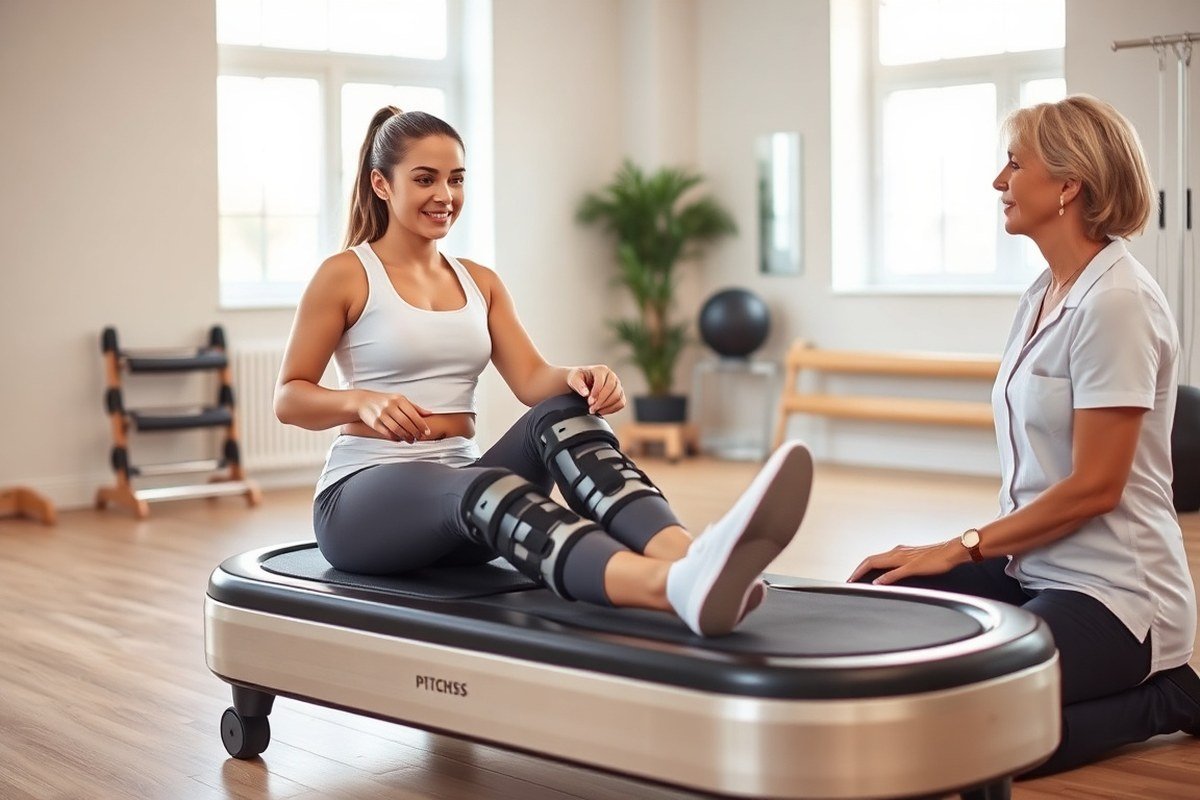
Vibration plates can offer benefits for people with hypermobility, including those with benign joint hypermobility syndrome (BJHS) or Ehlers-Danlos Syndrome (EDS), but safety is key. These plates help strengthen muscles and improve proprioception, which is often impaired in hypermobile individuals. Improving muscle control supports joint stability and may reduce joint pain and injury risk when used properly. Research indicates that vibration therapy can reduce the excessive range of motion in affected joints and alleviate discomfort.
Safety depends largely on selecting the right vibration frequency and avoiding painful or unstable use. For hypermobility, frequencies should start low, ideally between 15 and 20 Hz, and not exceed 50 Hz, as higher frequencies may increase joint stress. Avoid locking your joints, which can cause unnecessary strain, and do not overextend your session duration to reduce fatigue and injury risk. Always monitor how your joints feel and stop immediately if you experience pain or instability.
Beginners should prepare by warming up and focusing on controlled postures that avoid placing joints in positions that encourage hyperextension. Using a vibration plate at moderate amplitude with a slow buildup of time, starting with short sessions under 10 minutes, is recommended. For people with recent joint injuries or significant instability, vibration plates may not be safe without medical clearance. Consulting a healthcare professional familiar with hypermobility is advisable.
To maximize safety and benefits, follow this checklist: start with low frequency (15-20 Hz), maintain good posture without locking joints, limit sessions to under 10 minutes initially, avoid any pain or sharp discomfort, and gradually increase intensity only if no adverse effects occur. Those with BJHS or EDS can experience reduced joint pain and improved muscle support through consistent, mindful use of vibration plates within these guidelines.
How Vibration Plates Improve Muscle Strength, Balance, and Joint Stability
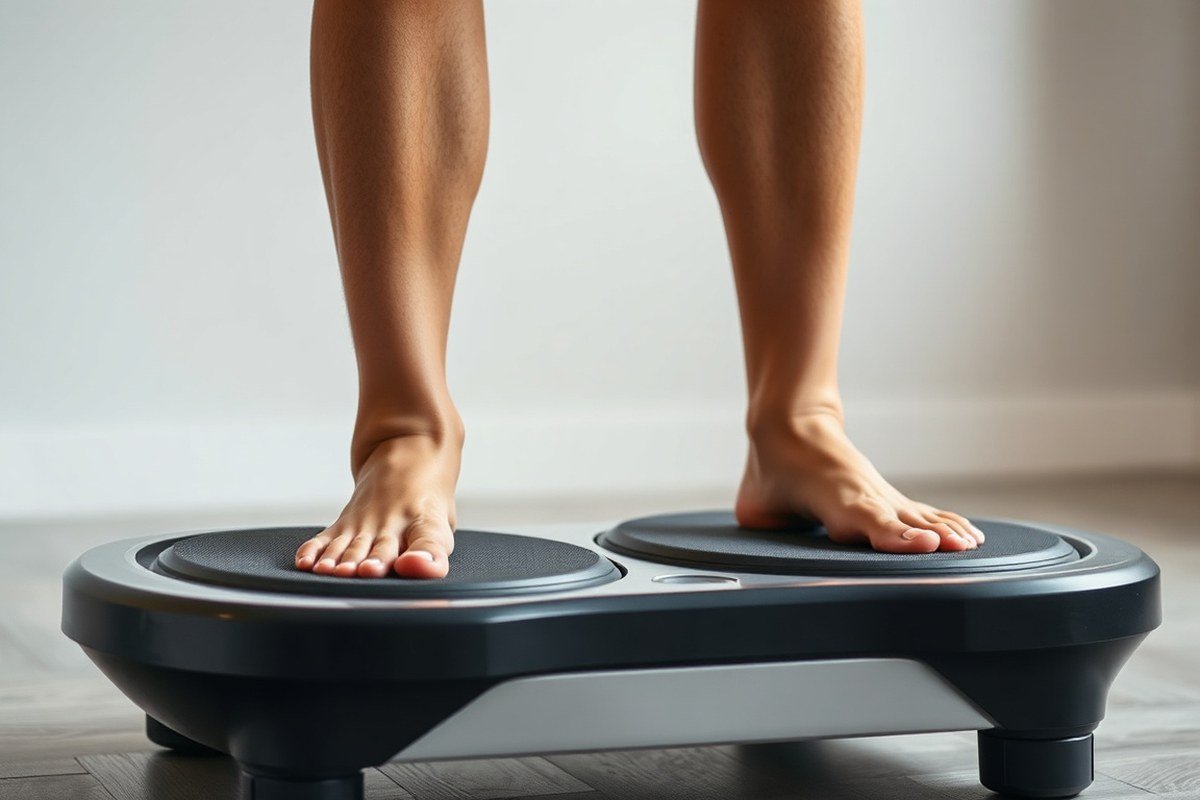
Vibration plates improve muscle strength, balance, and joint stability by stimulating muscle activation and improving proprioception. The platform’s vibrations cause rapid muscle contractions that engage deep stabilizing muscles around your joints, especially important for hypermobile joints that lack ligament support. This increased muscle tone supports joint stability, reducing the risk of unwanted joint movement and injury.
The vibrations also challenge your neuromuscular system, improving your body’s ability to sense joint position and movement. This improvement in Proprioception helps prevent joint instability, a common problem with hypermobility. By regularly using a vibration plate within recommended frequency ranges, usually between 20 and 40 Hz, you can train your muscles and nervous system to respond better to balance challenges in daily life.
To gain these benefits, start with short sessions of about 5 to 10 minutes, performing simple standing exercises or gentle squats on the plate. Adjust the frequency and amplitude settings to avoid overstressing your tissues, focusing on controlled, balanced engagement rather than high-intensity vibration. Over weeks, expect improved balance stability, better muscle support around joints, and reduced sensations of joint pain or shakiness.
Good results look like stronger muscles around hypermobile joints, fewer episodes of joint giving way, and increased confidence during movement. Situations requiring caution include existing joint pain, inflammation, or when using vibration plates with very high frequencies or amplitudes, which might increase discomfort or joint laxity. For optimal results, use vibration plates as a supplement to conventional strength and balance exercises tailored for hypermobility.
Optimal Use Guidelines: Frequency, Duration, and Positioning for Hypermobility
Start vibration plate sessions at a low frequency of around 15 Hz and maintain a moderate amplitude between 1 to 2 millimeters. These settings provide mild stimulation without overloading your joints, which is critical for managing hypermobility safely. Avoid frequencies above 25 Hz, as higher vibrations increase joint stress and can worsen instability.
Each session should last no more than 10 to 15 minutes initially. Over time, you can build up to a maximum of 20 minutes per day, split into intervals if needed to prevent fatigue. Consistent, shorter sessions help strengthen muscles and improve proprioception without pushing your joints beyond their capability.
Use a controlled, upright posture on the plate to safeguard your joints. Stand with knees slightly bent, feet shoulder-width apart, and engage your core muscles to increase stability. Avoid locking your knees or hyperextending joints during exercises. Incorporating light squats or gentle shifts in weight while maintaining alignment further improve joint control.
| Frequency (Hz) | Amplitude (mm) | Duration (min) | Recommended Posture/Exercise |
|---|---|---|---|
| 15 | 1 – 2 | 10 – 15 | Standing, knees slightly bent, core engaged |
| 20 | 1 – 2 | 15 – 20 | Light squats, weight shifts, controlled movements |
| 25 | ≤ 2 | Up to 10 | Only with professional supervision, focus on posture |
Here’s a simple session routine to get started: First, warm up off the plate with 5 minutes of gentle range-of-motion exercises. Step onto the plate at 15 Hz and stand with bent knees and active core for 3 minutes. Rest for 1 minute off the machine. Repeat for 2 to 3 cycles, gradually increasing duration or intensity only if you feel no joint pain or instability. Always stop if you notice swelling, discomfort, or unusual sensations.
Adjusting frequency, amplitude, and posture based on your comfort and joint response ensures safe, effective use of vibration plates tailored for hypermobility. Working with a physical therapist can help customize these parameters further to your individual needs.
Common Mistakes and Risks to Avoid When Using Vibration Plates with Hypermobility
Using a vibration plate at too high a frequency is one of the most common mistakes for people with hypermobility. Higher frequencies can increase the risk of injury and falling because your joints may become overstressed easily. Start with the lowest vibration settings available, usually below 30 Hz, and gradually increase only if you feel stable and comfortable. Overdoing it in your initial sessions can cause joint pain or sprains, which may set back your progress.
Another frequent error is poor positioning during vibration training. Standing with locked knees or hyperextending joints on the vibration plate can strain your already flexible ligaments. Maintain a slightly bent knee posture and keep your core engaged to protect your joints. Holding static postures for too long, such as more than 10 to 20 minutes daily, can also lead to overuse injuries, so it is best to limit sessions to 10, 20 minutes, two or three times per week, based on study durations.
Stopping use when you experience sharp pain, swelling, or joint instability is critical for safe training. Hypermobile joints are prone to dislocations and sprains, so immediate rest and consulting a healthcare professional are advised if these symptoms occur. Early recognition of adverse effects like persistent soreness or loss of balance will help you adjust your routine before injuries develop.
Ignoring progressive adjustments can lead to stagnation or injury. If your muscles are not feeling challenged but your joints feel stressed, reduce the vibration intensity or shorten session time. Conversely, if exercise feels too easy and joints remain stable, carefully increase duration or frequency of sessions while monitoring your response. Using supportive footwear and holding onto handrails can also improve balance and safety.
Special Considerations for Children and When to Consult Healthcare Professionals
Vibration plates are not typically recommended for very young children, especially toddlers, due to their limited balance and ongoing musculoskeletal development. Safe use is generally more appropriate for school-age children, often eight years old and up, who have better coordination and muscle control. Vibration levels should be moderate, and sessions kept brief, to avoid overstressing growing bones and joints. Children with hypermobility may benefit under professional guidance, such as physical or pediatric therapists who can tailor vibration training as part of structured therapy.
Parents should always consult a healthcare professional before introducing vibration plate use at home. This is particularly important if a child has additional conditions such as autism, ADHD, or sensory processing challenges, since vibration therapy requires careful adjustment to avoid discomfort or sensory overload. A pediatric therapist can help assess whether vibration plates suit the child’s needs and recommend safe vibration parameters and durations.
Watch for red flags that warrant immediate professional consultation before or during vibration training. These include increased joint pain, unusual fatigue, dizziness, or worsened balance. Also, any new symptoms such as swelling or persistent discomfort after sessions should be evaluated. An easy decision rule is to pause vibration plate use if any of these signs appear and seek advice from a physician or therapist familiar with your child’s hypermobility.
To use vibration plates safely with children, start with very low-intensity settings, no more than a few minutes per session, and always supervise closely to ensure proper posture and stability. Having a physical therapist create a plan customized to your child’s abilities and monitoring progress can help maximize benefits while minimizing risks. This approach ensures vibration training supports muscle strength and joint control without causing harm to growing tissues.
Your First Steps: Safe Use of Vibration Plates for Hypermobility
Start using a vibration plate safely and effectively with this simple plan. Each step helps you build strength and stability without overloading your joints.
- Before You Start: Consult your healthcare provider or physical therapist to confirm vibration training is appropriate for your specific hypermobility condition.
- Day 1: Begin with low frequency (15-20 Hz) for 1-2 minutes standing with slight knee bend. Notice if you feel stable and comfortable throughout.
- Week 1: Increase session length to 5 minutes at the same low frequency, continuing simple standing positions. Check for any joint pain or unusual discomfort after sessions.
- Week 2: Add balance exercises, such as standing on one foot gently, for 1-2 minutes on the platform, monitoring your joint stability during and after.
- Week 3: Gradually raise the vibration frequency to 25-30 Hz and extend sessions up to 10 minutes if you remain pain-free and stable during training.
- Week 4 and Beyond: Incorporate light isometric muscle contractions while on the plate to improve joint support. Ensure movements stay controlled without forcing range of motion.
- Ongoing: Avoid locking joints or overextending during exercises. Stop immediately if you experience joint pain, instability, or swelling, and consult your healthcare provider.
Frequently Asked Questions
Should People with EDS Use Vibration Plates?
People with EDS can use vibration plates cautiously, choosing low frequencies (15-20 Hz) and avoiding pain or joint instability. Consulting a healthcare professional before starting helps tailor safe use to your condition.
What Should You Not Do with Hypermobility?
Avoid high-impact exercises, sudden joint movements, and activities causing pain or swelling. Protect your joints by focusing on controlled, low-impact exercises to prevent injury.
What People Should Not Use Vibration Plates?
Avoid vibration plates if you have recent joint injuries, severe joint instability, or acute pain. Those with certain heart conditions or pregnant women should also consult a doctor first.
What Does 10 Minutes on a Vibration Plate Equal?
Ten minutes on a vibration plate can equal the energy used running at 6.5 miles per hour during weighted half-squats. It provides a low-impact workout option with significant muscular activation.
Can Vibration Plates Help Reduce Joint Pain?
Vibration plates may reduce joint pain by improving muscle strength and joint stability but should be used carefully to avoid overstressing joints.
Final Thoughts
Vibration plates can offer meaningful improvements in muscle strength and joint stability for people with hypermobility when used carefully. Prioritize low frequencies, short sessions, and proper positioning to keep your joints safe. The next step is to discuss this approach with your healthcare professional and begin your gentle vibration training under their guidance.