Are Ellipticals Bad for Your Knees? Everything You Need to Know
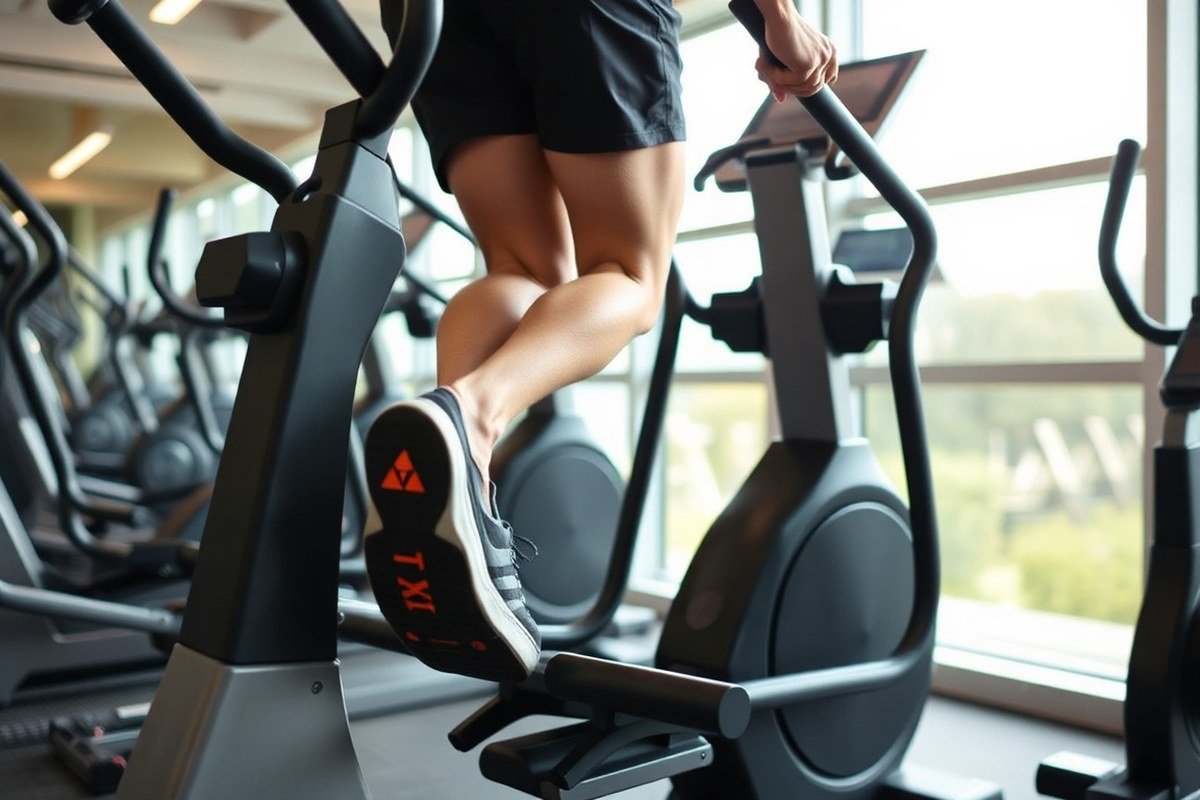
Are ellipticals bad for your knees? They generally are not. These machines provide a low-impact workout that reduces joint stress by eliminating the pounding associated with running and other high-impact exercises. Starting with short, gentle sessions helps ease your knees into this motion safely.
Key Takeaways
- Ellipticals keep knee flexion shallow between 30 and 40 degrees, which minimizes joint compression during exercise.
- Unlike bikes, ellipticals avoid deep knee bends of 90 to 110 degrees, reducing strain especially for sensitive knees.
- Start elliptical workouts with 5 to 10 minutes of slow, controlled movements to protect knee joints.
- Gradually increase workout time to at least 30 minutes most days, supporting knee endurance and strength.
- Adjust resistance levels carefully, as using excessive resistance can lead to knee swelling and discomfort.
- Maintain proper form to prevent knee pain caused by poor technique during elliptical use.
Do Elliptical Machines Harm Your Knees or Help Them?
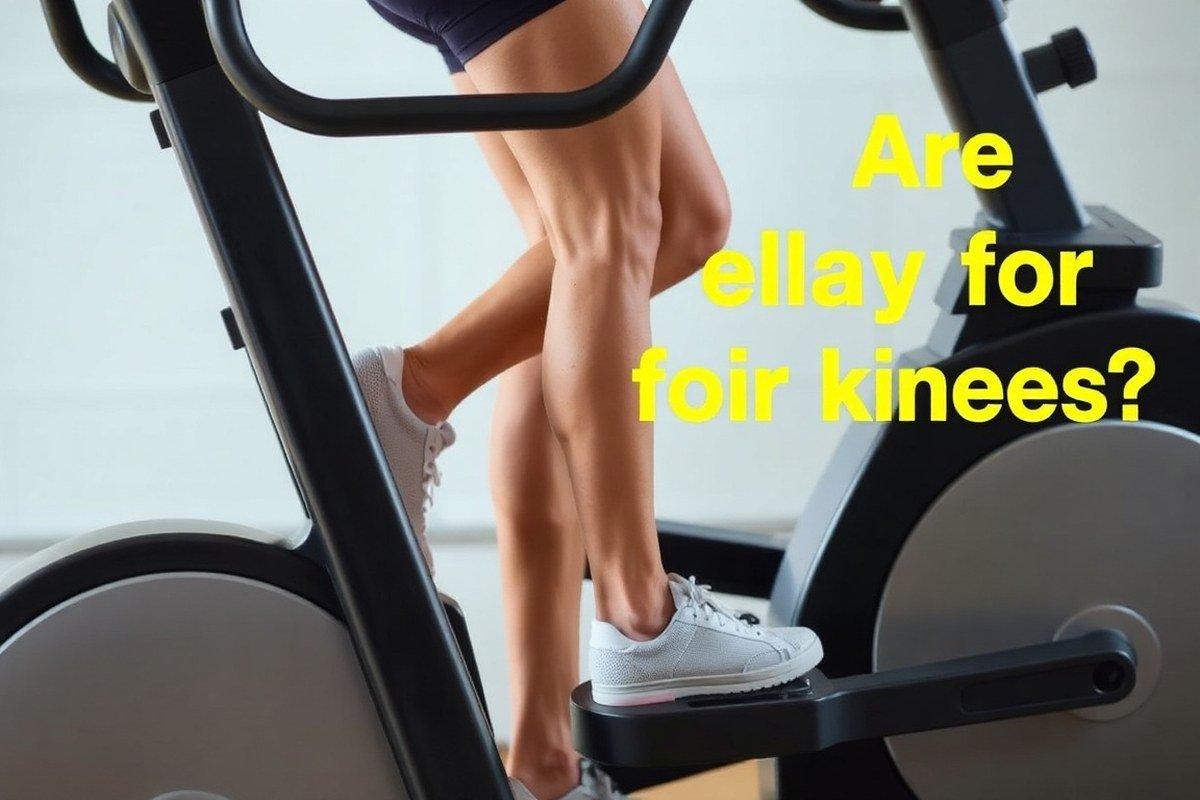
Elliptical machines are generally safe for your knees because they provide a low-impact workout that reduces joint stress compared to activities like running. Unlike running, which causes high-impact forces each time your foot strikes the ground, ellipticals keep your feet on pedals moving in a smooth, continuous oval path. This eliminates the harmful heel-strike impact that often aggravates knee pain.
One key to why ellipticals are gentler on the knees lies in the knee flexion angle maintained during use. These machines typically hold your knees at a shallow 30 to 40 degrees of bend throughout the stride. This avoids deep joint compression or excessive bending, which can intensify knee discomfort and damage cartilage over time. The controlled motion also reduces twisting or rotational stress on the joint, which contributes to knee stability and comfort during exercise.
| Exercise Type | Impact on Knees | Notes |
|---|---|---|
| Running | High | May worsen knee pain in some people |
| Walking | Low | Good for most knee problems |
| Swimming | Very Low | Supports body weight, gentle on knees |
| Elliptical Machine | Low | Offers smooth motion, reduces joint stress |
| Cycling | Low | Strengthens muscles around the knee |
Ellipticals provide weight-bearing exercise, unlike stationary bikes that are non-weight-bearing. This weight bearing is beneficial because it helps maintain bone density and improves joint function without hard impacts. The combination of smooth elliptical motion, moderate knee flexion, and low joint impact makes these machines well-suited for people managing mild to moderate knee pain, or those looking to protect their knees while improving cardiovascular fitness.
How to Adjust Your Elliptical Settings for Knee Comfort
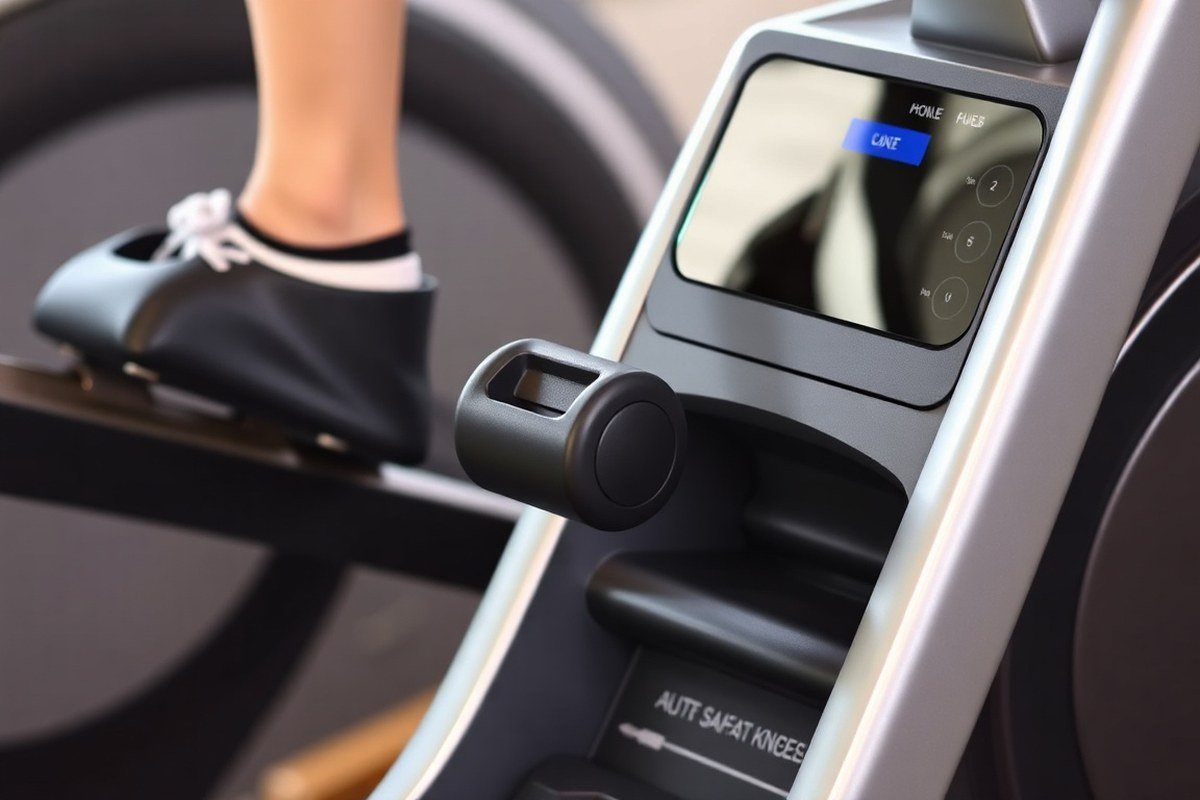
Adjusting your elliptical settings can ease knee discomfort and tailor workouts to your needs. Stride length affects joint angle and muscle use; a shorter stride between 18 and 20 inches generally reduces knee strain, especially if you experience pain. Models like the SOLE E95S let you power-adjust stride from 18 to 24 inches, so experiment within this range to find your comfort zone. Avoid stride lengths that make your knees bend too sharply or lock out.
Resistance and Incline also influence knee load. Start resistance low to prevent overload, then increase it gradually as your knees tolerate more stress. A modest incline of 1 to 3 degrees can change motion angles to reduce strain, but too steep an incline may worsen discomfort. Balance these settings based on how your knees feel.
- Set stride length between 18-20 inches for knee pain relief
- Begin resistance at the lowest level, increase slowly by small increments
- Use an incline between 1 and 3 degrees for reduced knee strain
- Adjust settings according to discomfort during your workout
- Test each change over several workout sessions to gauge impact
- Choose an elliptical with easy-to-use controls for quick adjustments
Using the machine’s console, select stride length first. On machines like the SOLE E95S, press the stride adjustment button, confirm your choice, and resume pedaling to feel the difference. Next, lower resistance to the start level and increase it by about one level per minute. Finally, adjust incline through its dedicated control, aiming for 1 to 3 degrees. Record how your knees respond during and after exercise.
Good results include less knee soreness during and after workouts and improved comfort across sessions. Watch out for increased swelling or sharp pain, which signal settings may be too intense. Consistent mild discomfort may respond to further stride or resistance tweaks. If knee pain persists despite adjustments, consider consulting a professional for personalized recommendations tailored to your joint condition and fitness goals.
Proper Form and Technique to Protect Your Knees on an Elliptical
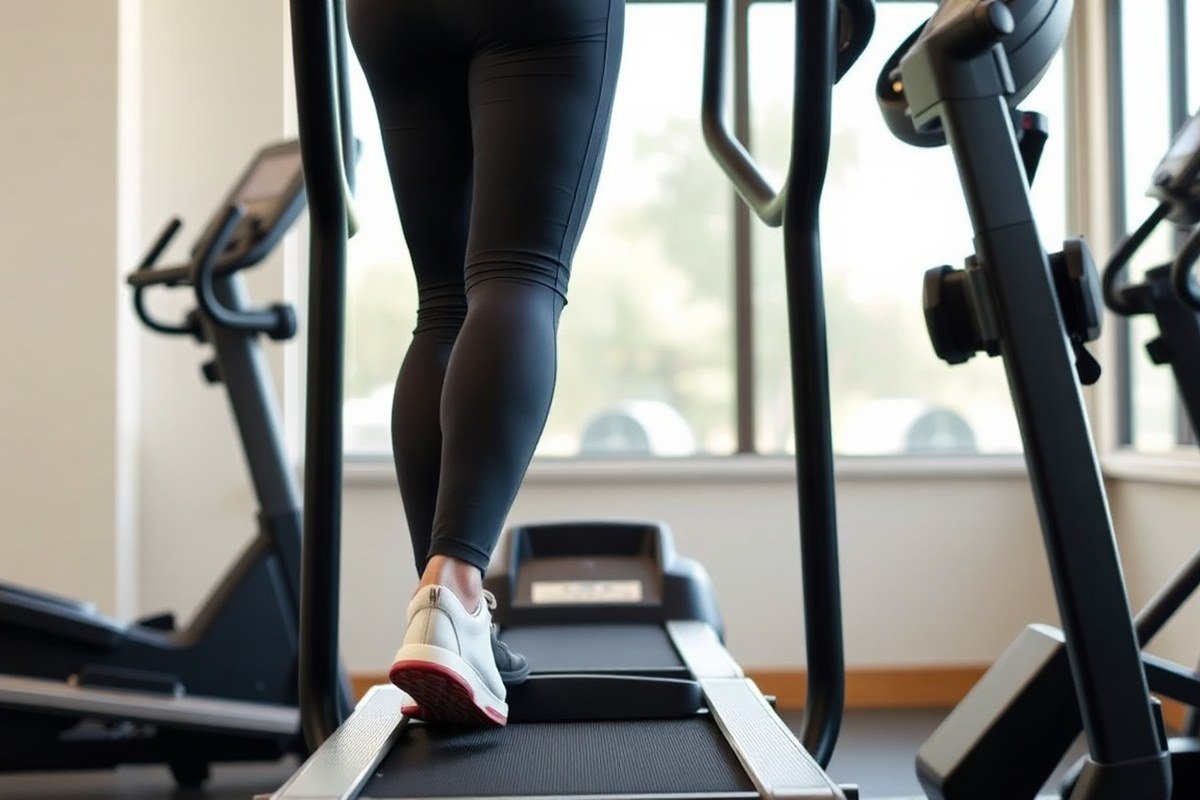
Maintaining proper posture and technique on an elliptical minimizes stress on your knees and reduces the risk of pain or injury. Keep your back straight but relaxed, avoiding leaning forward or slouching. Your hips should stay level with shoulders aligned over your knees to promote smooth, natural movement. This posture ensures even weight distribution through the leg joints.
Place your feet flat on the pedals, aiming for a neutral position where your knees track over the second or third toe to prevent twisting. Some ellipticals feature pedals angled around 2 degrees outward to mimic natural hip width, reducing knee strain. Avoid locking your knees or bending them excessively; elliptical motion usually keeps knee flexion shallow, about 30 to 40 degrees, which is easier on joint surfaces.
- Stand upright with a straight back and relaxed shoulders
- Keep feet flat and centered on pedals, aligned with hips
- Track knees in line with toes to avoid inward or outward bowing
- Maintain a cadence you can control without rushing or jerking
- Use a smooth, circular motion in your pedaling without locking knees
- Wear supportive shoes with proper arch support for foot stability
- Adjust your stride length to a comfortable range, avoiding overextending
Common mistakes include letting the knees drift inward or outward, leaning heavily on the handlebars, and keeping a rapid or uneven pace that jars the joints. When your knees feel stiff or sore after a session, slow your pace, check your posture, and consider reducing stride length. For those recovering from injury, a machine with a larger pedal platform can help your foot assume a natural position, easing one-sided strain. Taking time to focus on form pays off with less knee discomfort and safer, more effective workouts.
How Elliptical Workouts Can Strengthen Knee-Supporting Muscles
Elliptical workouts help strengthen the muscles that support your knees by engaging the quadriceps, hamstrings, glutes, and calves in a low-impact, weight-bearing motion. This full-body engagement builds muscular strength without placing excessive stress on the joints, which is important because stronger muscles absorb more of the forces around the knee, reducing pain and injury risk during daily activities and exercise.
To maximize knee stability, combine your elliptical sessions with targeted exercises focused on the muscles around the knee. These exercises promote proper movement patterns, improve joint support, and make your elliptical workouts more effective and safe.
- Squats: Perform bodyweight or light dumbbell squats to strengthen your quads and glutes while maintaining proper knee alignment.
- Hamstring curls: Use a resistance band or machine to isolate and build your hamstrings, balancing strength around the knee.
- Step-ups: Practice stepping onto a low platform or step to improve functional stability and engage multiple knee-supporting muscles.
- Calf raises: Strengthen your calves to assist with lower leg stability and reduce strain on the knee joint.
- Glute bridges: Activate and strengthen your glutes, which play a important role in knee alignment and stability.
- Balance exercises: Use a wobble board or single-leg stands to improve proprioception and overall knee joint control.
These exercises only require 10 to 15 minutes, two to three times per week, and can be adjusted for your current fitness level. A gradual increase in resistance or reps over a few weeks should lead to noticeable improvements in knee stability and comfort during elliptical workouts. Watch for common issues like knee valgus (knees caving inward) during squats or step-ups, which can increase joint stress. Maintaining proper alignment and controlled movements prevents setbacks and fosters long-term joint health.
When to Seek Professional Advice for Knee Pain from Elliptical Use
Persistent knee pain during or after elliptical workouts calls for professional evaluation to rule out serious issues such as ligament tears, cartilage damage, or inflammation. Normal soreness feels like mild discomfort that eases within 24 to 48 hours and improves with rest. In contrast, sharp pain, swelling, joint instability, or difficulty walking should prompt a pause in elliptical use and a visit to a healthcare provider.
You can use this decision rule to decide when to seek help: stop elliptical exercise if pain worsens during activity, lasts more than two days, or interferes with daily routines. Also, if you notice swelling, locking, or a popping sensation in your knee, consult a doctor or physical therapist to avoid worsening injury. People with chronic knee problems should modify workouts by reducing duration and resistance or switching to other low-impact activities like swimming until cleared to resume elliptical sessions.
When contacting a healthcare professional, prepare a clear description of your symptoms. Use this script to communicate efficiently: “I’ve been using an elliptical machine for my knee health. Recently, I’ve developed [describe pain – sharp/dull/throbbing], especially during [specific motion or workout duration]. The pain lasts [duration], and I feel [other symptoms like swelling, clicking, or instability]. I’ve tried [any modifications or rest] but haven’t seen improvement.”
This approach helps the provider understand your situation quickly and recommend proper imaging, therapy, or adjustments. Consulting a physical therapist may also provide personalized exercises to support your knee and guidelines on elliptical use. Timely professional advice can prevent long-term damage and ensure that elliptical workouts remain a safe part of your fitness routine.
Your First Steps: Elliptical Knee Care Action Plan
Follow this plan to start using your elliptical safely and protect your knees while building strength.
- Before you begin: Check and adjust the elliptical settings, such as resistance and stride length, to a comfortable level for your knees. You’ll know you’re set when movements feel smooth without pain.
- Day 1: Warm up with 5 minutes of slow, gentle elliptical motion to prepare your knees. No discomfort during this time means you’re ready to proceed.
- Week 1: Focus on maintaining proper form, stand upright, keep knees aligned with your feet, and avoid locking your joints. Feeling steady and comfortable confirms good technique.
- Week 2: Increase your workout time by 5 minutes each session while keeping resistance low. Your knees should stay pain-free throughout.
- After 3 weeks: Add mild resistance to engage knee-supporting muscles more. Notice if your legs feel stronger without new aches.
- Ongoing: Schedule rest days to let your knees recover and perform light stretches post-exercise. Reduced stiffness or soreness means you’re balancing activity with rest.
- At any time: Monitor your knees for persistent pain or swelling. If problems arise, consult a healthcare provider before continuing.
Frequently Asked Questions
Are Ellipticals Bad for Knee Cartilage?
Ellipticals do not harm knee cartilage because they provide low-impact movement, which reduces joint stress compared to running. This low-impact nature helps preserve the knee cartilage over time.
Can Using an Elliptical Worsen Existing Knee Injuries?
Using an elliptical with improper form or excessive resistance can aggravate knee injuries, so adjusting settings and consulting a professional helps avoid worsening pain.
Is It Better to Pedal Forward or Backward on an Elliptical for Knee Health?
Pedaling forward is generally recommended for knee comfort, but backward pedaling can strengthen different muscles if done carefully and without pain.
How Often Should I Use an Elliptical to Improve Knee Strength Safely?
Using an elliptical 3 to 4 times a week allows you to build knee-supporting muscles without overuse, given proper warm-up and technique.
Can Elliptical Workouts Reduce Knee Inflammation?
Elliptical workouts can decrease knee inflammation by promoting gentle movement and blood flow, helping to reduce stiffness if done at a moderate pace.
Wrapping Up
Ellipticals can be a good option for knee-friendly exercise when used correctly. Taking time to set your machine right, focus on form, and build strength gradually helps protect your knees and supports joint health. Begin your next workout with attention to these details for safer, more effective exercise.