
Can I Build Muscle with Just Dumbbells? A Complete Guide for Beginners
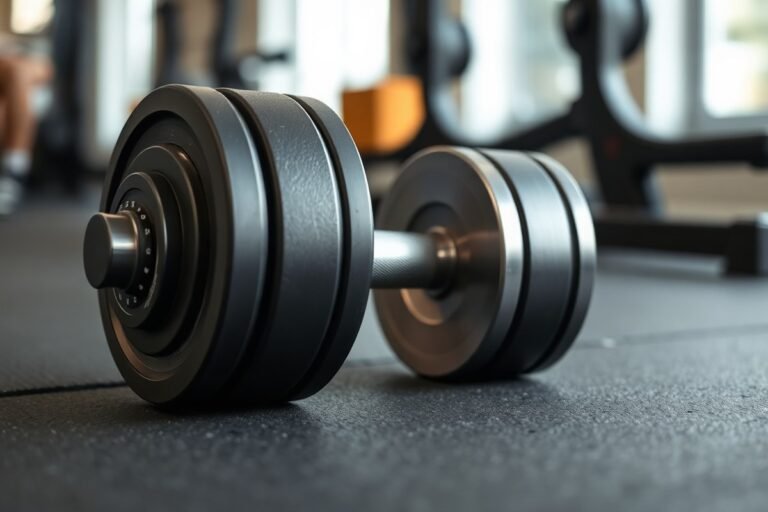
Can I build muscle with just dumbbells? Yes, you can build muscle effectively using only dumbbells by following a consistent and progressive routine. Dumbbell workouts allow you to target all major muscle groups and increase strength through varied exercises and progressive overload. Starting with a full-body dumbbell routine three times a week helps build a strong foundation.
Key Takeaways
- Use a 3-day full-body dumbbell workout to train muscles multiple times per week for efficient gains.
- Progress by increasing weight or reps weekly, such as adding 2.5 pounds or one rep per set.
- Train all major muscles including chest, back, shoulders, arms, legs, and core with dumbbells.
- Rest each muscle group at least 48 hours before working it again for recovery and growth.
- Aim for 7 to 9 hours of sleep nightly to support hormone levels and muscle repair.
- Aim to eat between 1.6 and 2.2 grams of protein for each kilogram you weigh every day to support Muscle building.
Can You Build Muscle Effectively Using Only Dumbbells?
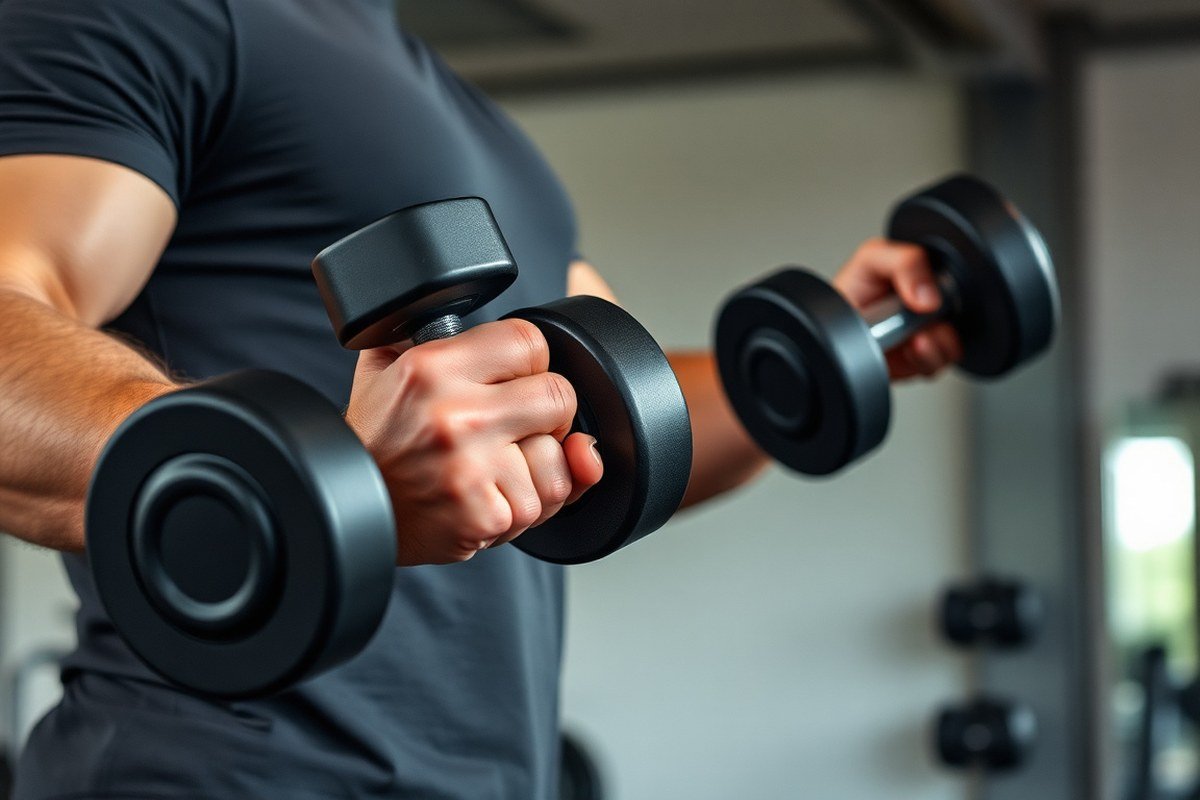
You can build muscle effectively using just dumbbells. Muscle growth happens when your muscles experience enough tension and are pushed beyond their usual limits, which triggers a repair process that makes them stronger and larger. Dumbbells provide resistance that creates this tension, enough to stimulate muscle growth when used properly. The key is to progressively overload your muscles by increasing the weight, reps, or sets over time to keep challenging them.
From a scientific perspective, muscle growth depends on factors like mechanical tension, muscle damage, and metabolic stress. Dumbbells can generate all three. They allow for a full range of motion and require stabilizing muscles to engage, often more so than machines. This helps improve coordination and muscle activation. You can train major muscle groups including chest, back, shoulders, arms, and legs through various dumbbell exercises that replicate essential movement patterns like pressing, rowing, squatting, and curling.
Compared to barbells or machines, dumbbells might have less maximum weight capacity and a smaller exercise variety, but they compensate by enabling unilateral training. This means you can work one limb at a time, which helps fix muscle imbalances. If you only have lighter dumbbells, you can still build muscle by increasing your reps, slowing down each repetition, or incorporating supersets and drop sets to maximize muscle fatigue. Consistency and proper progression are more important than the equipment itself.
Building muscle with dumbbells requires regular effort and strategic overload. You don’t need a full gym setup to see meaningful gains. A single pair of adjustable dumbbells, used with proper technique and increasing difficulty, can provide effective resistance to stimulate muscle growth. Supporting your training with adequate protein intake and enough calories is also critical for recovery and muscle repair.
Which Muscles Can You Train Effectively with Dumbbells?
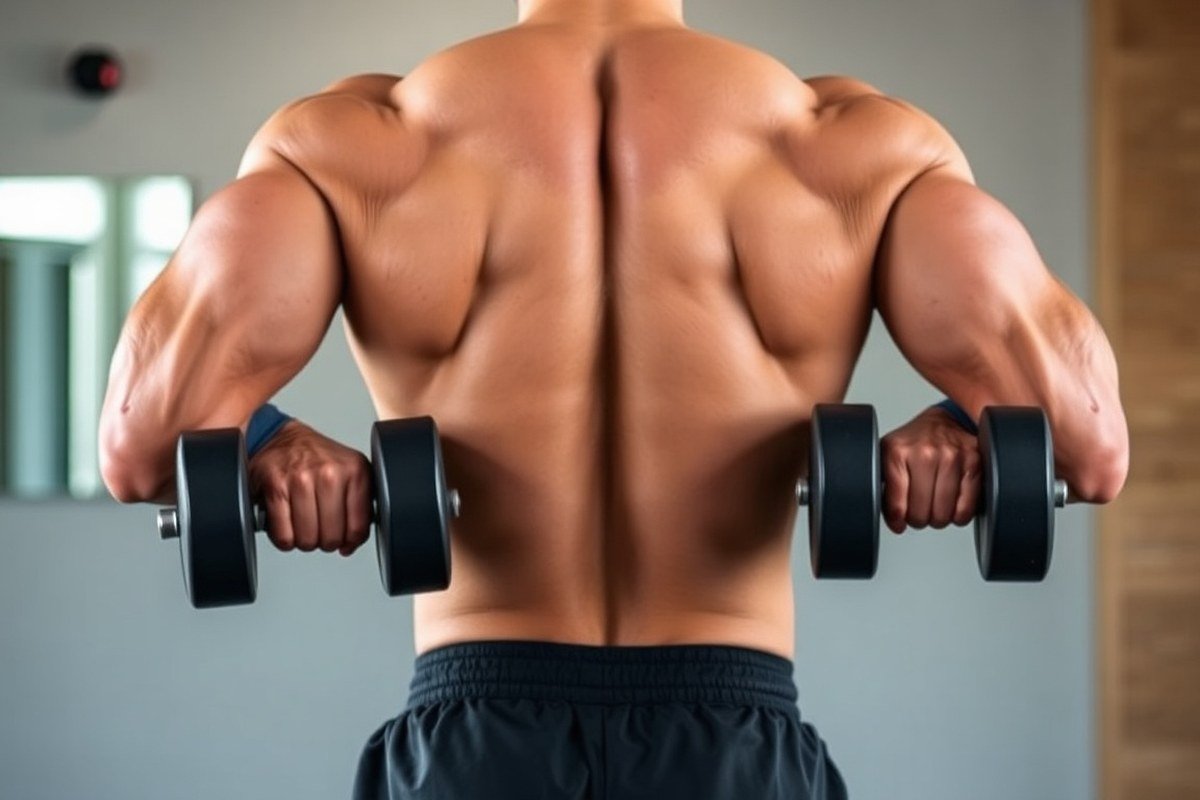
Dumbbells allow you to train almost every major muscle group effectively. For your chest, exercises like dumbbell bench press, floor press, and flyes target the pectoral muscles. Controlled movements with a focus on stretch, and avoiding painful shoulder strain, help maximize chest activation. The back muscles benefit from dumbbell one-arm rows, bent-over rows, and pullovers. These exercises require stabilizing your torso while pulling with your elbows, so keeping good form matters for both strength and injury prevention.
Shoulder muscles respond well to overhead presses, lateral raises, and rear delt flyes. Lighter weights and avoiding momentum improve isolation for smaller shoulder muscles like the lateral and rear deltoids. Your arms, biceps and triceps, get excellent workout options like curls, hammer curls, and tricep extensions using dumbbells. These isolation moves help shape and build muscle size effectively.
Leg and glute muscles can be trained with dumbbell goblet squats, lunges, split squats, and Romanian deadlifts. Single-leg variations become important when your dumbbells feel too light because they increase difficulty without adding equipment. These moves engage quads, hamstrings, glutes, and calves. Use higher reps (8, 12) with slower, controlled motions to hit these muscles safely and effectively.
While dumbbells cover most muscle groups well, some challenges exist. Accessory muscles like the core receive indirect stimulation through compound moves, but you might want dedicated core exercises for full coverage. A bench or raised platform expands your options dramatically, allowing for exercises like the incline or decline dumbbell press to better target different chest areas. Benches also help stabilize your body during rows and flyes, improving form and muscle engagement.
Overall, dumbbells provide a versatile way to build muscle across your body using both compound and isolation exercises. They challenge stabilizer muscles through a full range of motion. Investing in a bench or small accessories broadens your exercise choices and can improve muscle targeting, but a solid routine with just dumbbells remains highly effective.
How to Structure Dumbbell Workouts for Maximum Muscle Growth
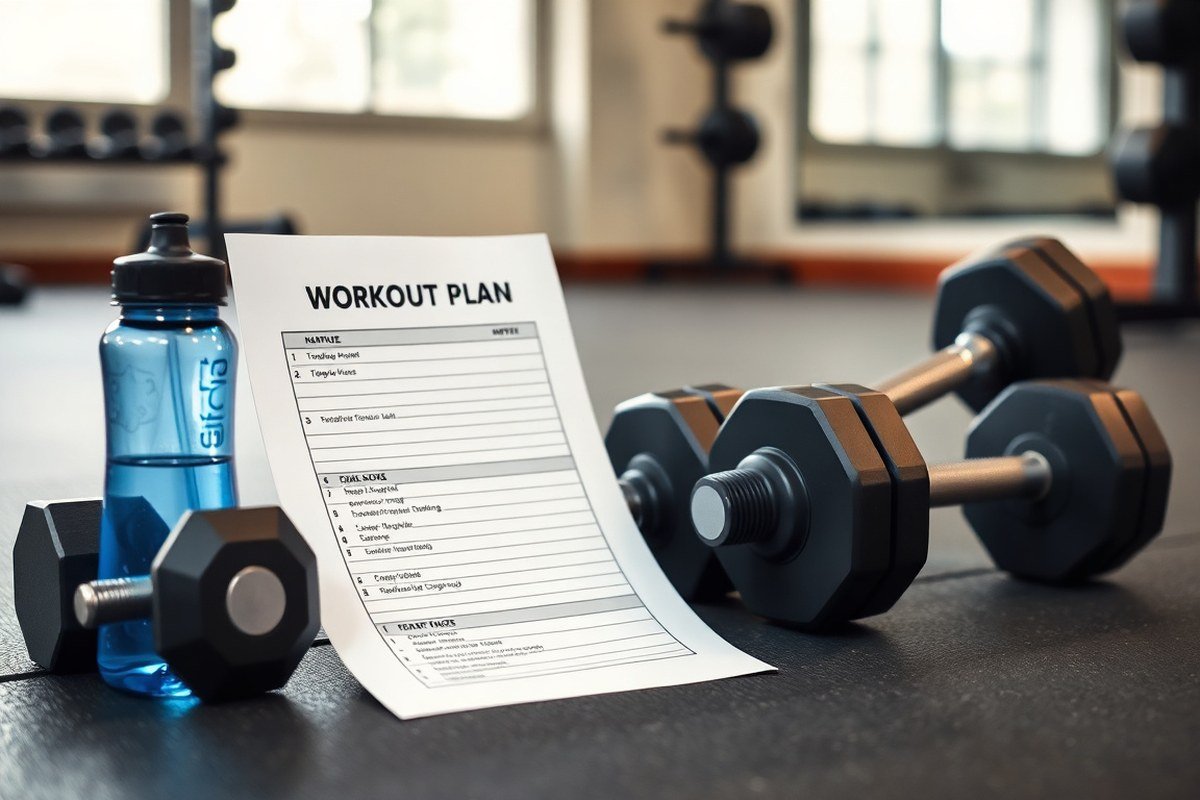
Train each major muscle group two times per week to balance stimulus and recovery effectively. Use a mix of 3 to 4 sets per exercise, aiming for 8-12 reps when using moderate to heavy dumbbells. Beginners benefit from slightly higher reps, around 10-15, to develop strength and muscle endurance. Progressive overload means you gradually increase challenge by adding weight, reps, sets, or improving form control to keep muscles adapting. Start your dumbbell workout with compound and isolation exercises that cover all muscle groups. Use the following checklist to structure your sessions for muscle growth:
- Perform 3-4 sets per exercise, aiming for 8-12 reps near muscle failure (1-3 reps in reserve)
- Train each muscle group twice per week to optimize growth and recovery
- Increase weight or reps by about 5-10% weekly to create progressive overload
- Rest 60-90 seconds between sets for optimal recovery and strength output
- Track your performance and adjust load or reps when the current sets feel easier than before
Progressive overload with dumbbells can look like moving from 15-pound to 20-pound weights or performing 12 reps instead of 10 at the same weight. Adding an extra set in later weeks is another way to increase volume safely. If you hit a plateau, try slowing down the movement to increase time under tension or adding a paused rep to challenge muscles differently.
This structured approach requires consistency over weeks, usually 6 to 8 weeks, to see visible muscle growth. Avoid skipping rest days or rushing sets, as this can reduce effectiveness and increase injury risk. Monitoring your reps, weight progression, and overall fatigue helps ensure you’re making steady progress with only dumbbells.
Nutrition and Recovery Tips to Support Dumbbell Muscle Training
To build muscle effectively using dumbbells, you should prioritize both good nutrition and rest. Your muscles grow when you consume more calories than you burn each day. Adding about 250 to 500 extra calories daily typically helps increase muscle mass without causing excessive fat gain. Make sure your protein intake meets 1.6 to 2.2 grams per kilogram (0.7 to 1.0 grams per pound) of your body weight every day. Protein supplies the amino acids necessary to repair muscle tissue stressed during workouts.
Timing your meals can improve gains. Aim to have a meal rich in protein and carbohydrates about 1 to 3 hours before your workout to fuel performance. After your session, consume 20 to 30 grams of protein within 30 minutes to start the recovery process promptly. Combining these meals with carbs helps replenish energy stores and supports muscle repair. For example, a snack like Greek yogurt with fruit or a chicken sandwich on whole wheat bread fits this nutrient-timing frame.
Sleep and rest play a big role in muscle building. Target 7 to 9 hours of quality sleep per night, since inadequate sleep reduces hormone levels like human growth hormone and testosterone that drive muscle growth. Poor sleep also raises cortisol, a hormone that breaks down muscle tissue. Muscle repair and growth happen during rest days, not during workouts themselves, so allow 48 hours between intense dumbbell sessions focusing on the same muscle group.
Following these steps requires some planning but doesn’t have to be expensive. Focus on whole foods for protein sources like lean meats, dairy, beans, or tofu. Resting well won’t cost money, but it does mean committing to a regular sleep schedule. Monitoring your progress after a few weeks will show if your calorie and protein intake support strength improvements and visible muscle changes. Gains may slow down, so increasing your calorie and protein intake or improving your sleep quality can help overcome these plateaus.
When and How to Progress Your Dumbbell Training for Continuous Gains
Progressive overload is the key to building muscle with dumbbells. It means steadily making your workouts more challenging, either by increasing the weight, adding more reps, or raising workout intensity. You should aim to increase the weight by about 2.5-5% each week or add one or two reps with the same weight. For example, if you can do 12 reps of dumbbell curls at 20 pounds, try to reach 15 reps or increase to 22 pounds over your next sessions. This constant challenge forces your muscles to adapt and grow stronger.
Keep an eye on signs that it’s time to increase difficulty. These include finishing your last reps with little effort, no longer feeling muscle fatigue by the end of a set, or hitting the top end of your rep range easily. Address these by moving up in weight or reps to keep your progress steady. You don’t want to stay stuck using the same weights, or your muscle gains will plateau.
- Track your reps and weight each session for clear progress.
- Increase weight when you complete 12-15 reps with good form easily.
- Add reps before increasing weight if you don’t have heavier dumbbells available.
- Use tempo changes (slower reps) to add intensity without heavier weights.
- Buy adjustable dumbbells when fixed weights limit your progression or cost too much over time.
- Review your workout every 4-6 weeks and adjust weights or reps accordingly.
- Listen for muscle fatigue and slight soreness to confirm effective overload.
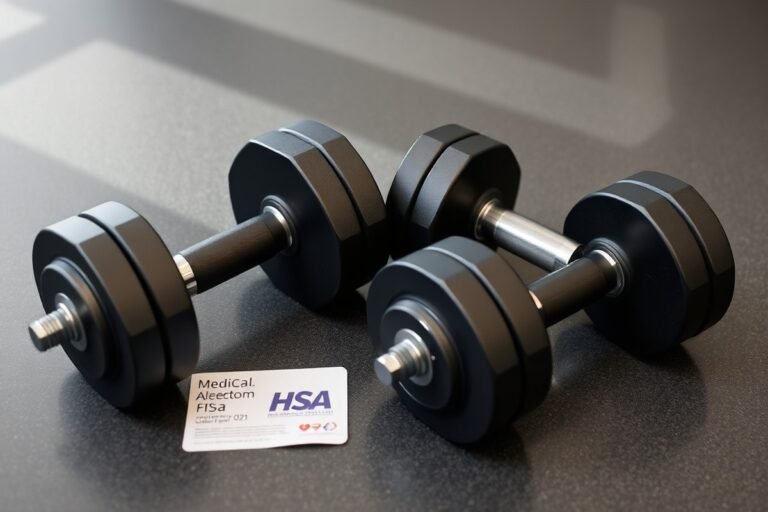
Choosing between fixed and adjustable dumbbells depends on your budget and space. Fixed dumbbells often cost less per pair but require multiple pairs to progress, which adds up. Adjustable dumbbells typically range from $150 to $300 for a set covering 5 to 50 pounds, saving space and money long term. For beginners, fixed weights like 5, 10, and 15 pounds might be enough, but adjustable dumbbells give you more flexibility and continuous progression as you build muscle.
| Fixed Dumbbells | Adjustable Dumbbells |
|---|---|
| Lower initial cost per pair | Higher initial cost but all-in-one solution |
| Require more storage space | Compact and space-saving |
| Limited to fixed weight increments | Weight increments adjustable as little as 2.5 pounds |
| Good for beginners with tight budgets | Better for long-term progressive overload |
Common Dumbbell Training Mistakes and How to Fix Them
One common mistake with dumbbell training is using weights that are too light, which limits muscle growth by not challenging your muscles enough. Choose a weight that lets you complete your reps with good form but feels tough by the last two reps. Another frequent issue is poor form, which increases injury risk and reduces training effectiveness. Focus on controlled movements; for example, lower dumbbells slowly over 2 to 3 seconds instead of dropping quickly. Inconsistent workouts slow progress and can cause plateaus, so establish a routine that fits your schedule and stick to it for at least 4 to 6 weeks.
- Use appropriate weight: Pick dumbbells that challenge you within 8, 12 reps per set.
- Maintain proper form: Keep your back straight and avoid swinging the weights.
- Warm up before sessions: Spend 5, 10 minutes on light cardio and dynamic stretches.
- Follow a consistent schedule: Aim for 3 to 4 workouts per week targeting different muscle groups.
- Progress gradually: Increase weight or reps every 1 to 2 weeks to keep your muscles adapting.
- Monitor rest periods: Rest 30 to 90 seconds between sets to balance recovery and intensity.
Not addressing these errors can lead to slow or stalled gains and increase your chances of strain or injury. Improving form can take time and practice, so consider recording yourself or working with a coach for feedback. Regular progression ensures your muscles keep growing instead of plateauing. Consistency paired with correct technique and gradual overload brings the best results from dumbbell training.
How to Know If Your Dumbbell Muscle Plan Is Working
Tracking your muscle growth from dumbbell training requires consistent measurements and notes over time. Start by recording your weight, the circumference of key muscles like your arms, shoulders, chest, and thighs, and your max reps or weight lifted for key exercises. Take photos every two weeks under similar lighting and conditions. This baseline sets your starting point and lets you see gradual changes that a scale might miss.
Expect visible results within 30 days as your muscles begin adapting and toning, but significant muscle growth usually takes several months of steady effort. A simple timeline to follow starts with weekly strength checks and biweekly body measurements, then evaluates muscle size and definition monthly. Stick to your plan for a full 8 to 12 weeks before judging progress, unless you notice no strength gains or no change in muscle size within the first month, which signals you may need to increase weights or volume.
You can use a progress checklist to stay organized: 1) Record starting weights and reps for each dumbbell exercise; 2) Log workout dates and any weight increases; 3) Measure muscle sizes and take photos biweekly; 4) Assess progress at 4, 8, and 12 weeks to decide if you need to adjust your routine. Adjustments might mean adding more sets, increasing dumbbell weight, or varying exercises to continue challenging your muscles.
Costs in tracking include time and possibly a tape measure or simple journal app. Avoid common mistakes like relying only on the scale or skipping measurements. Progress can slow for intermediate lifters, so tracking strength improvements is important since visible size changes become more gradual and need long-term surveillance to catch small gains.
Your First 30 Days: A Quick-Start Plan
Start building muscle with dumbbells by following this clear plan. Track your progress to make sure your efforts pay off.
- Day 1: Choose a full-body dumbbell workout including presses, rows, squats, and curls. Complete 3 sets of 8-12 reps per exercise with manageable weight to ensure proper form.
- Week 1: Train 3 times this week, spacing sessions at least one day apart. Notice if your muscles feel challenged but not overly sore after each workout.
- Week 2: Add one more exercise targeting muscles you feel are less worked, such as dumbbell lunges or tricep kickbacks. Confirm balanced muscle engagement by checking for even muscle fatigue.
- Week 3: Increase your dumbbell weight slightly or add one more set per exercise. You’ll know it’s effective if the last reps feel challenging while keeping good form.
- Week 4: Focus on recovery, prioritize sleep, hydration, and protein intake of about 0.7 grams per pound of body weight daily. You should feel more energetic and ready for your workouts.
- After 4 Weeks: Assess strength gains by testing if you can complete 12 reps with your current weight comfortably. Increase dumbbell weight again to keep building muscle when ready.
- Ongoing: Adjust workout frequency and volume based on your progress. Vary exercises or slowly raise training intensity when gains stall.
Frequently Asked Questions
Can I Build Muscle with Just Dumbbells Effectively?
Building muscle using only dumbbells is possible by consistently applying sufficient tension, increasing workout volume, and progressively challenging yourself to promote growth and strength improvements.
Are Adjustable Dumbbells Enough for Muscle Growth at Home?
Yes, adjustable dumbbells allow you to increase weight and challenge your muscles as you progress, supporting continuous muscle growth at home.
How Do I Increase Difficulty Without Heavier Dumbbells?
You can increase difficulty using slower reps, pausing mid-movement, or adding more sets and reps to create muscle fatigue without needing heavier weights.
Will Dumbbell Training Build Muscle Symmetry Better Than Machines?
Dumbbells encourage balanced muscle development as they require both sides to work independently, helping reduce strength imbalances more than machines may.
Is It Possible to Build Serious Muscle Size with Only Dumbbells?
Yes, serious muscle size can be built with dumbbells if you consistently increase the challenge through volume and progression in your workouts.
The Bottom Line
You can build muscle effectively using just dumbbells by focusing on consistent, well-planned workouts with proper progression. Stick to good form, track your nutrition, and gradually use heavier weights to keep challenging your muscles. Start your first session soon, and pay attention to how your body responds, you’ll see growth when you stay consistent.