
Can an Elliptical Burn Belly Fat? A Complete Guide with Proven Workouts
Can an elliptical burn belly fat? Yes, using an elliptical machine can help reduce belly fat by burning calories and boosting your metabolism. For effective belly fat loss, focus on consistent workouts that combine moderate to high intensity along with proper resistance settings. Starting with manageable sessions helps maintain regular exercise without injury.
Key Takeaways
- Burn around 300 calories in 30 minutes by maintaining steady pace on the elliptical.
- Perform elliptical workouts 5 to 6 days a week for safe and consistent fat loss.
- Include HIIT elliptical sessions lasting about 20 minutes to maximize belly fat burning.
- Use resistance climbs in workouts to engage more muscles and increase calorie burn.
- Fast for at least 12 hours between meals to make belly fat more accessible for burning.
- Combine elliptical cardio with a balanced diet low in sugar, processed foods, and alcohol.
Can an Elliptical Really Burn Belly Fat?

An elliptical can help burn belly fat, but not by targeting the belly directly. Fat loss works through a calorie deficit, where your body burns stored fat for energy. Elliptical workouts increase your calorie burn, promoting overall fat loss including in the abdomen. This process is the same as with any aerobic exercise like running or cycling.
Belly fat includes both subcutaneous fat and visceral fat, the latter being deeper and more harmful around organs. Research shows that a combination of aerobic exercise and resistance training reduces total and visceral fat. Using the elliptical with strength workouts twice a week supports this effect effectively.
To maximize belly fat loss on an elliptical, you should aim for 3 to 5 sessions per week. Mix in higher-intensity workouts such as 20-minute HIIT or longer resistance climbs to increase calorie burn. Heavier individuals tend to lose belly fat faster and burn more calories during these workouts.
Elliptical workouts work best when you maintain a caloric deficit through diet and lifestyle as well. Strictly exercising the abdominal muscles does not reduce belly fat above them, so using the elliptical to burn calories is a more effective approach. Working out in a fasted state (at least 12 hours without food) may further encourage using belly fat for energy since it is less protected.
How Long and Intense Should Elliptical Workouts Be for Fat Loss?
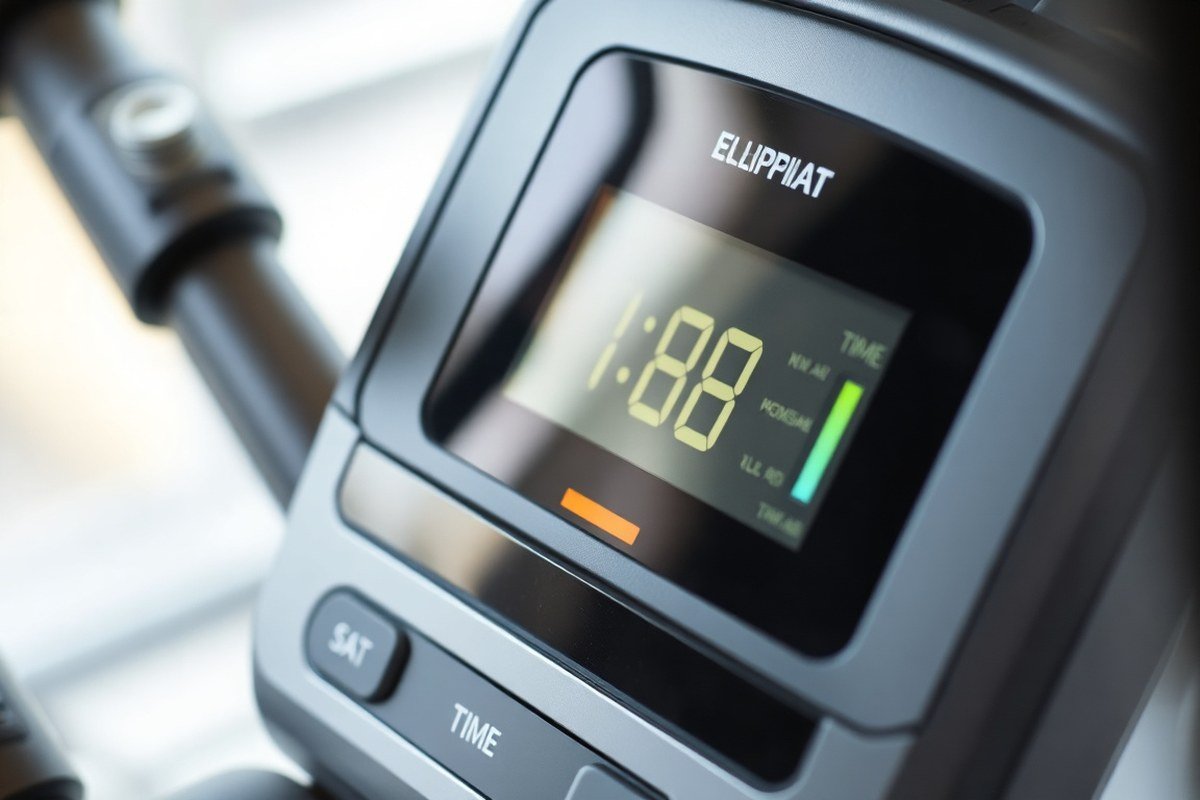
A typical 30-minute elliptical workout burns about 300 calories for a 145-pound person. To reduce belly fat, aim for workouts lasting 15 to 30 minutes most days of the week, adjusting the intensity and type based on your fitness level and goals. Both steady-state cardio and high-intensity interval training (HIIT) on the elliptical are effective for fat loss, including belly fat.
Zone 2 cardio means maintaining a moderate intensity where you’re working hard enough to raise your heart rate but still able to hold a conversation. On the elliptical, this translates to keeping your heart rate around 60-70% of your maximum, often felt as a steady pace with resistance that challenges your legs but doesn’t exhaust you quickly. You can measure your heart rate using a fitness tracker or the elliptical’s sensors. This zone improves fat burning and endurance and works well in sessions lasting 30 to 45 minutes.
HIIT involves alternating short bursts of high-intensity effort with recovery periods. For example, on an elliptical, you might pedal hard at a high speed and resistance for 30 seconds, followed by 90 seconds of slower, easier pedaling. Repeat this cycle 7 to 10 times in a workout lasting about 20 minutes total. HIIT burns more calories in less time and increases your metabolism for hours after exercising, making it a time-efficient choice for belly fat loss.
For example, a steady-state session in Zone 2 might burn around 300 calories in 30 minutes, while a 20-minute HIIT session with 7 intervals could burn a similar or slightly higher number depending on intensity. Keep in mind, the best results come from sticking with a plan you can follow consistently. After 2 or 3 weeks, add 5 more minutes to your Zone 2 sessions or increase the number of HIIT intervals to keep making progress.
Elliptical, Treadmill, or Bike: Which Burns Belly Fat Best?
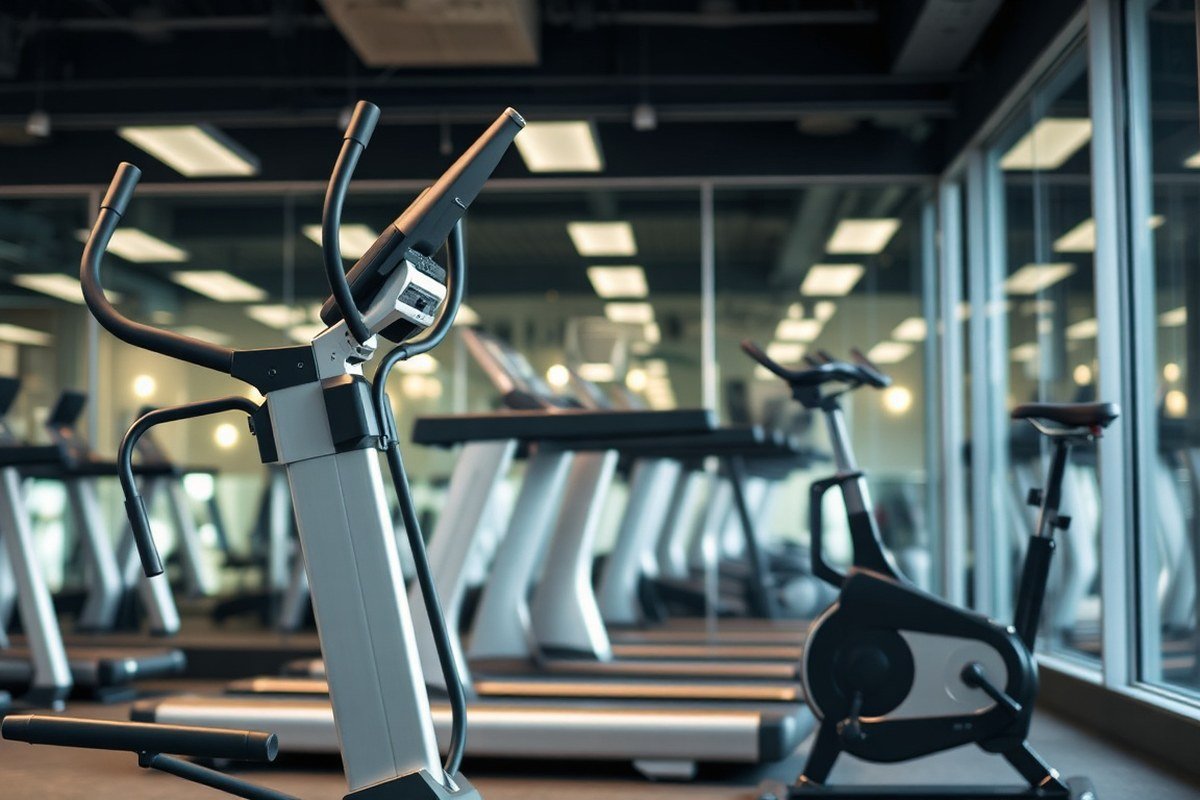
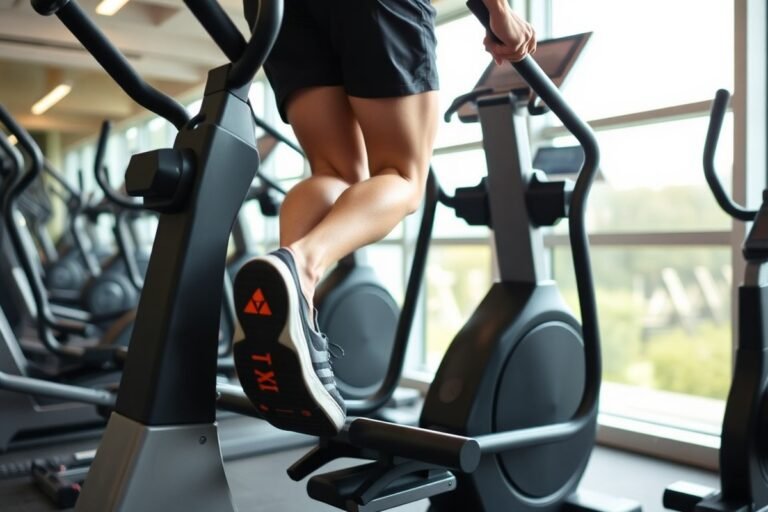
Choosing the best cardio machine to burn belly fat depends on your fitness goals, joint health, and personal preference. The elliptical offers a full-body workout, engaging both upper and lower muscles simultaneously. This increases calorie burn, with about 8 to 9 calories burned per minute during moderate effort, according to ACE Fitness. That means a 30-minute session can burn roughly 240 to 270 calories. The treadmill is excellent for high-impact calorie burning, often exceeding the elliptical for calorie expenditure during running, but it may strain joints more. Stationary bikes provide a low-impact option, ideal for those with joint concerns but generally burn fewer calories than ellipticals or treadmills in the same time frame.
| Machine | Calories Burned (30 min) | Joint Impact | User Preference |
|---|---|---|---|
| Elliptical | 240-270 calories | Low impact, gentle on joints | Good for full-body cardio, moderate to intense workouts |
| Treadmill | 280-350 calories (depending on speed) | Higher impact, may stress knees and ankles | Preferred by runners, those seeking high-intensity workouts |
| Stationary Bike | 200-250 calories | Very low impact, safe for joint issues | Best for low-impact steady-state cardio |
Considering joint health, the elliptical stands out as the safest for most people, especially if you have knee or hip problems. Its smooth, gliding motion reduces stress on your joints compared to the treadmill’s repetitive pounding. While the bike offers even less joint stress, it typically burns fewer calories, which could slow belly fat reduction if not paired with diet and consistent workouts. User enjoyment plays a role, too; you’re more likely to stick with a machine you actually like using, so testing each in a gym or fitness store can help you find the right fit. Balancing calorie burn with joint safety and workout consistency is key to effective belly fat loss.
Diet, Lifestyle, and Muscle Training to Boost Belly Fat Loss
Combining strength training with elliptical workouts is key to maximizing belly fat loss. Building muscle through lifting weights or bodyweight exercises raises your resting metabolic rate, so you continue burning calories long after your workout ends. Aim to include strength training 2 to 3 times per week, focusing on major muscle groups. A simple plan: perform compound exercises like squats, lunges, push-ups, and dumbbell rows for 30 to 45 minutes on non-elliptical days or after your cardio session.
Your diet plays a important role in burning belly fat. A calorie deficit is necessary to lose fat, but just cutting calories without exercise often leads to muscle loss or slowed metabolism. You need balanced meals that include protein, healthy fats, and fiber-rich carbohydrates to support your workouts and maintain muscle. Time your meals to fuel workouts effectively, eating 1 to 2 hours before exercising, and avoid heavy meals immediately after. Some prefer intermittent fasting, like a 16:8 schedule, but you should monitor how your body responds and ensure you have enough energy for elliptical sessions.
Common mistakes while trying to lose belly fat with the elliptical include overdoing cardio without strength training, neglecting diet quality, and inconsistent workout schedules. Avoid relying solely on the elliptical; fat loss happens across your whole body, so consistency and quality in all areas matter most.
- Follow a calorie deficit diet with enough protein (about 0.7, 1 gram per pound of body weight)
- Integrate strength training 2-3 times weekly for muscle maintenance and metabolic boost
- Schedule workouts and meals so you’re energized but not overly full
- Keep elliptical sessions consistent but avoid excessive durations that cause fatigue
- Track progress with measurements and how clothes fit, not just scale weight
- Rest adequately to support recovery and hormonal balance
Following these steps helps you avoid plateaus and ensures a more efficient and safer fat loss journey. Combining a balanced diet, structured strength training, and regular elliptical workouts creates a synergistic effect that targets belly fat by increasing overall calorie burn and improving metabolic health.
A 30-Day Elliptical Plan to Lose Belly Fat Effectively
Creating a 30-day elliptical workout plan starts with gradually increasing duration and intensity to promote consistent belly fat loss while preventing injury or burnout. Mixing different types of elliptical workouts throughout the week keeps your routine balanced and helps you avoid plateaus by challenging your body in new ways. Tracking progress with weekly waist measurements will show changes even when scale weight fluctuates, guiding adjustments to your plan. Follow these steps to structure your month-long elliptical schedule effectively:
- Begin with 15-minute beginner sessions on elliptical level 2 to 6 for the first week, performing these workouts 3 to 4 times per week. This builds your aerobic base safely if you’re new or returning to exercise.
- Add a HIIT session lasting 20 minutes during the second week at resistance levels 2 to 8. Alternate 30 seconds of high intensity with 1 minute of recovery to burn fat more efficiently in less time.
- Introduce 30-minute resistance sessions in week three on levels 3 to 10. Focus on working your legs and glutes harder to increase muscle engagement and calorie burn.
- Balance the week with 3, 5 workouts mixing beginner, HIIT, and resistance sessions. For example, schedule resistance days Monday and Thursday, HIIT Wednesday, and beginner sessions on the other days.
- Increase workout duration or intensity slightly every 7 days depending on how you feel. Add 5 minutes to sessions or step up resistance by 1, 2 levels to maintain progress and avoid plateaus.
- Measure your waist once a week under consistent conditions, such as after waking up, to track belly fat loss more reliably than weight alone.
- Adjust the plan based on your recovery and results.You should reduce workout intensity or add rest days when you feel overly fatigued. You can increase the number of HIIT or resistance sessions when progress stalls after two weeks.
How to Measure Progress and Stay Motivated on the Elliptical
Tracking belly fat loss starts with more than just watching the scale. Use a tape measure to record your waist circumference every two weeks at the narrowest point, usually an inch above your belly button. Also, take progress photos in similar lighting and clothing to visually compare changes. These markers show fat loss better than weight alone, as muscle growth can offset pounds lost. Keep a workout journal noting your elliptical sessions’ duration, intensity, and how you feel after each, this helps you recognize improvements in endurance or motivation.
Expect noticeable belly fat reduction to take at least 4 to 6 weeks with regular elliptical workouts combined with proper eating habits. Belly fat is stubborn and tends to respond slower than other body areas. Your age and current fitness affect progress speed; younger and fitter individuals may see faster changes, while older adults might need to adapt workouts by starting with moderate intensity and gradually increasing as stamina builds. Stick with sessions that match your level, typically, beginners can start with 15-20 minutes, increasing over months to 30-minute HIIT workouts.
Staying motivated requires setting realistic, specific goals like reducing waist circumference by an inch over six weeks or adding two minutes to your elliptical session weekly. Celebrate these small wins to keep enthusiasm up. Vary your elliptical routine by adjusting resistance or including intervals, which can prevent boredom and improve effectiveness. Check in weekly on your progress markers and adjust your workout plan if progress stalls, like shortening sessions for recovery or increasing intensity if you feel ready. Consistency matters more than intensity early on, so use reminders or buddy systems to keep yourself accountable.
Step-by-Step Action Plan to Burn Belly Fat on the Elliptical
Use this plan to start burning belly fat effectively with your elliptical workouts and track your progress clearly.
- Before you start: Set a baseline by measuring your waist circumference and weight. This helps you track real changes beyond the scale.
- Week 1: Begin with 20-minute moderate sessions at a steady pace, 3 times a week. You’ll know it works if you feel a slight increase in heart rate without exhaustion.
- Week 2: Increase sessions to 30 minutes and add interval bursts, 30 seconds faster, 90 seconds slower. Watch for improved stamina and less fatigue afterwards.
- Week 3: Boost workout frequency to 4 times per week, keeping intervals but extending high-intensity bursts to 45 seconds. You may notice clothes fitting more comfortably.
- Week 4: Incorporate resistance settings to challenge your muscles more during sessions. Reduction in belly size or improved muscle tone indicates success.
- After 30 days: Re-measure waist and weight, plus note endurance and energy levels. Visible and measurable improvements confirm the plan’s effectiveness.
- Maintain: Keep workouts at least 4 times per week, combining steady and interval training. Support with a balanced diet rich in protein and limited processed foods for lasting results.
Frequently Asked Questions
What Role Does Intermittent Fasting Play in Burning Belly Fat on an Elliptical?
Intermittent fasting helps burn belly fat by extending the period your body uses stored fat for energy, especially when combined with elliptical workouts that create a calorie deficit. Fasting around 12 hours before exercise can improve fat burning efficiency.
Can I Lose Belly Fat on the Elliptical If I Have a Slow Metabolism?
Yes, but it may take longer. The elliptical helps burn calories regardless of metabolism speed, though consistent workouts and a healthy diet improve results for slower metabolisms.
Does Body Weight Affect How Quickly I Lose Belly Fat on the Elliptical?
People with higher body weight usually shed belly fat quicker and burn more calories on the elliptical since their bodies require more energy during the workout.
Will Using the Elliptical Improve My Core Strength to Reduce Belly Fat?
Elliptical workouts engage your core muscles for balance, but core strength alone doesn’t burn belly fat. Combining elliptical cardio with core exercises tones muscles but won’t directly reduce belly fat.
How Does Age Impact Belly Fat Loss on the Elliptical?
Older adults typically need more time to burn belly fat due to slower metabolism and hormonal changes, but regular elliptical exercise still helps maintain calorie burn and fat loss.
Before You Go
An elliptical can help reduce belly fat by burning calories and boosting metabolism when you follow a consistent, progressive workout plan. Focus on mixing moderate and high-intensity efforts while combining your exercise with healthy eating and strength training. Start by scheduling your next elliptical session today and track how your body responds over the coming weeks.