Are Vibration Plates Safe for Back Problems? Safe Use and Key Guidelines
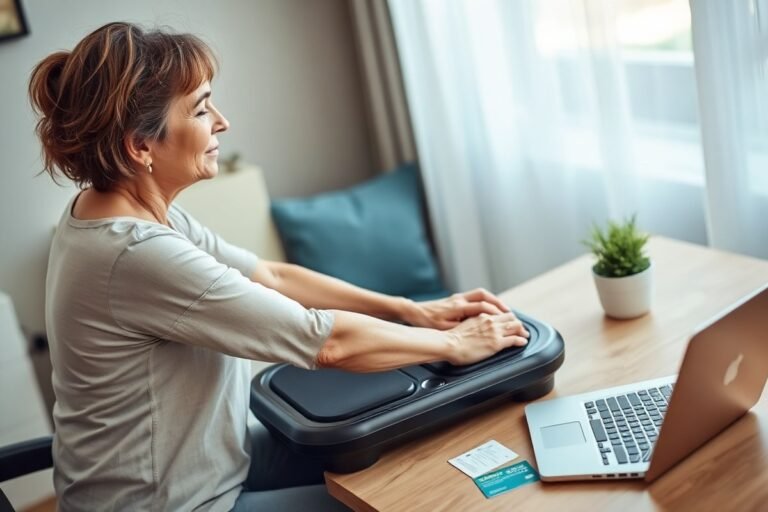
Are vibration plates safe for back problems depends largely on how you use them. They can be safe when used carefully with low frequencies and short sessions, especially starting at 10 to 15 Hz for 5 to 10 minutes. Monitoring how your back feels 24 hours after use helps gauge your tolerance and safety.
Key Takeaways
- Begin vibration plate sessions at low frequencies (10-15 Hz) and keep sessions under 10 minutes.
- Limit initial exposure to 5-10 minutes per session, gradually increasing time based on comfort.
- Check if your back feels the same or better the day after a vibration session for safety feedback.
- Avoid high-intensity exercises like weighted squats on vibration plates if you experience back pain.
- Consult a healthcare professional before starting vibration plate use, especially for existing back conditions.
- Combine vibration plate therapy cautiously with other back treatments only after medical clearance.
Are Vibration Plates Safe for People with Back Problems?
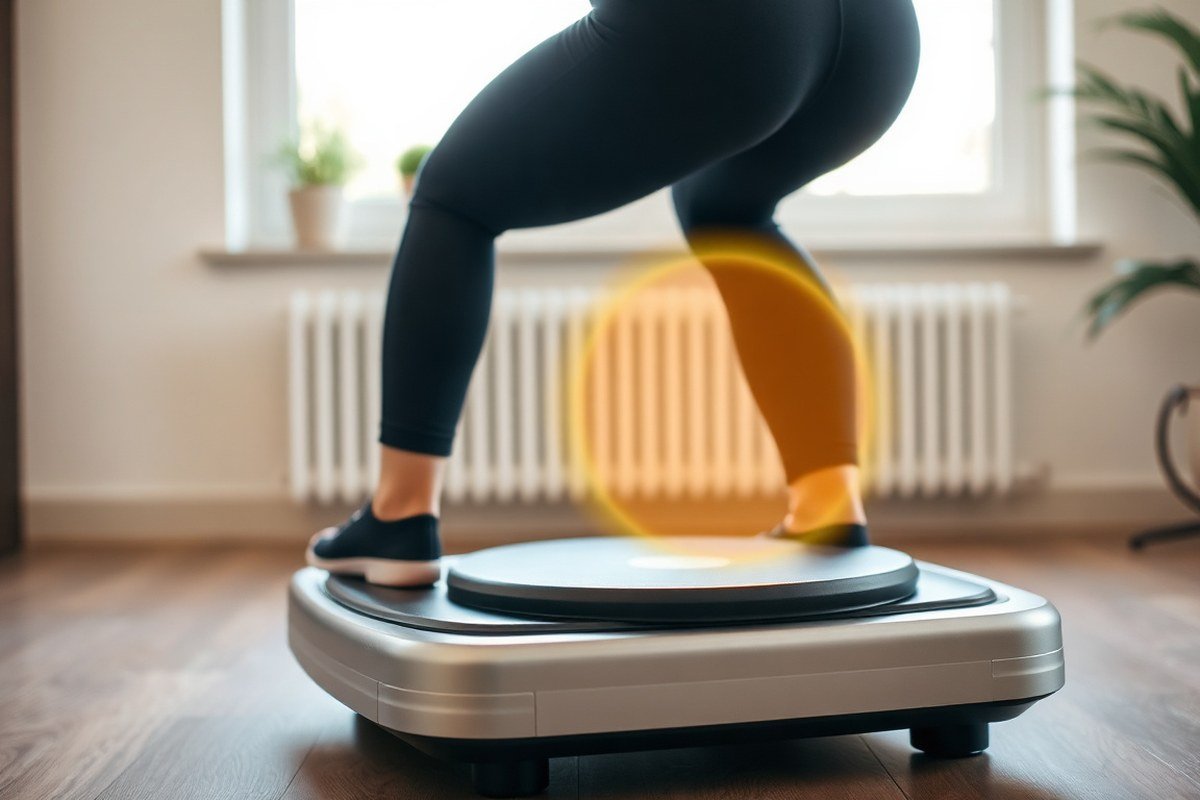
Vibration plates can be safe for some people with back problems, especially those experiencing chronic, non-specific low back pain. These devices may modestly improve pain and function when used properly, often in combination with exercises like squats or bridges. A 2023 review in the Journal of Orthopaedic Surgery and Research reported benefits for chronic lower back pain, although the effects tend to be modest and vary between individuals.
People with sudden inflammation, recent surgeries, broken bones, slipped discs, or serious heart conditions should avoid vibration plates. Using the equipment under these circumstances may increase symptoms or cause new health issues. For example, vibration therapy has no proven role in healing slipped discs and might worsen them or other problems in the spine when misused. Incorrect posture, too high vibration levels, or sessions that last too long heighten the chance of injury.
Medical professionals usually recommend starting vibration plate use with low vibration settings near 10-15 Hz and limiting sessions to 5-10 minutes. Maintaining correct posture during exercises on the device is critical. People suffering from sharp or spreading back pain or recent injuries should refrain from use until a doctor approves. Most healthcare providers suggest including vibration plates as part of a broader health program rather than relying on them alone.
Here’s a useful checklist to help you decide if vibration plates are safe for your back issues: confirm your pain is not due to a recent injury or acute inflammation, get medical clearance if you have known spine problems like herniated discs, begin with low frequency and short sessions focusing on controlled exercises, watch for any increase in pain or discomfort during use, and avoid use if you have severe cardiovascular conditions. Following these precautions helps reduce risks and maximize potential benefits.
How to Use Vibration Plates Safely When You Have Back Pain
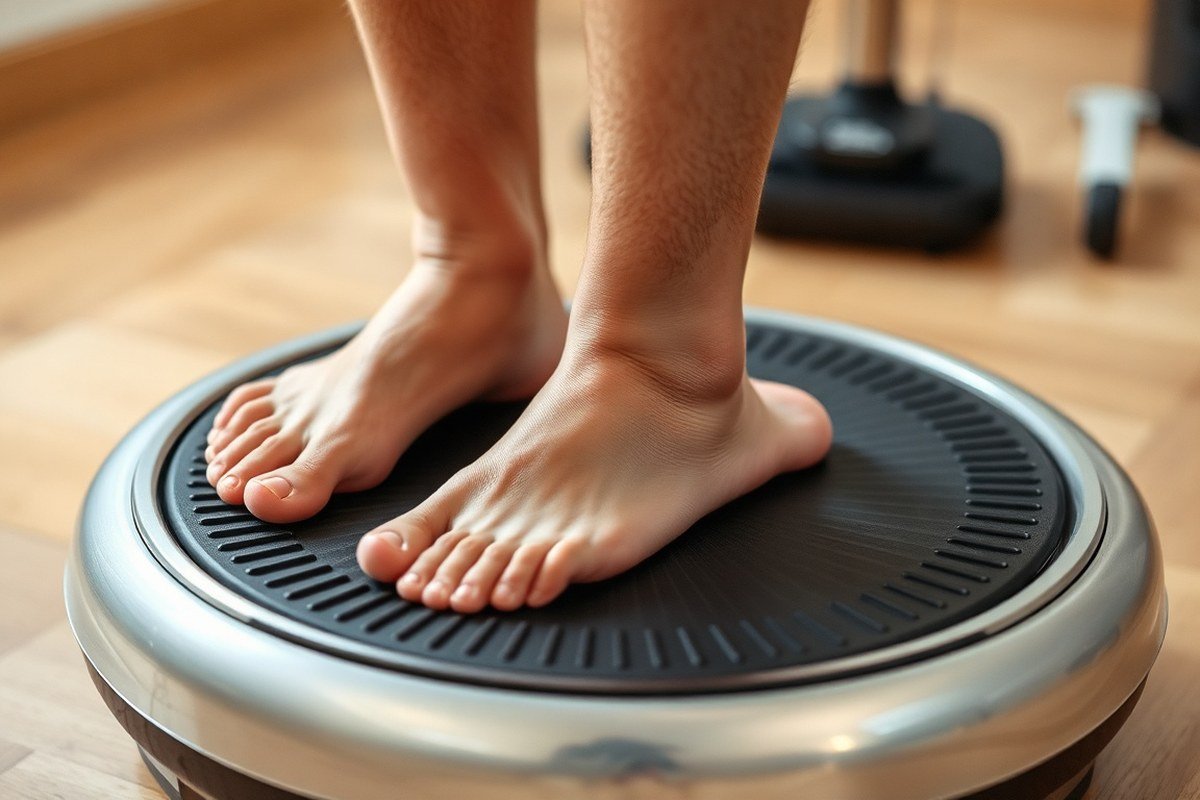
Using a vibration plate safely with back pain means starting gently and paying close attention to how your body reacts. The vibration frequency should stay low, between 10 and 15 Hz, to avoid overstimulating sensitive muscles and joints. Keep your sessions short at first, aiming for just 3 to 5 minutes, then gradually work up to no more than 10 to 15 minutes.
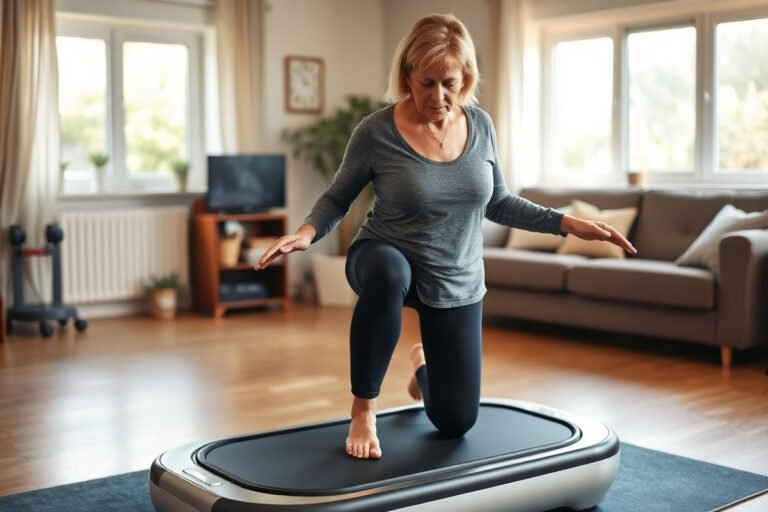
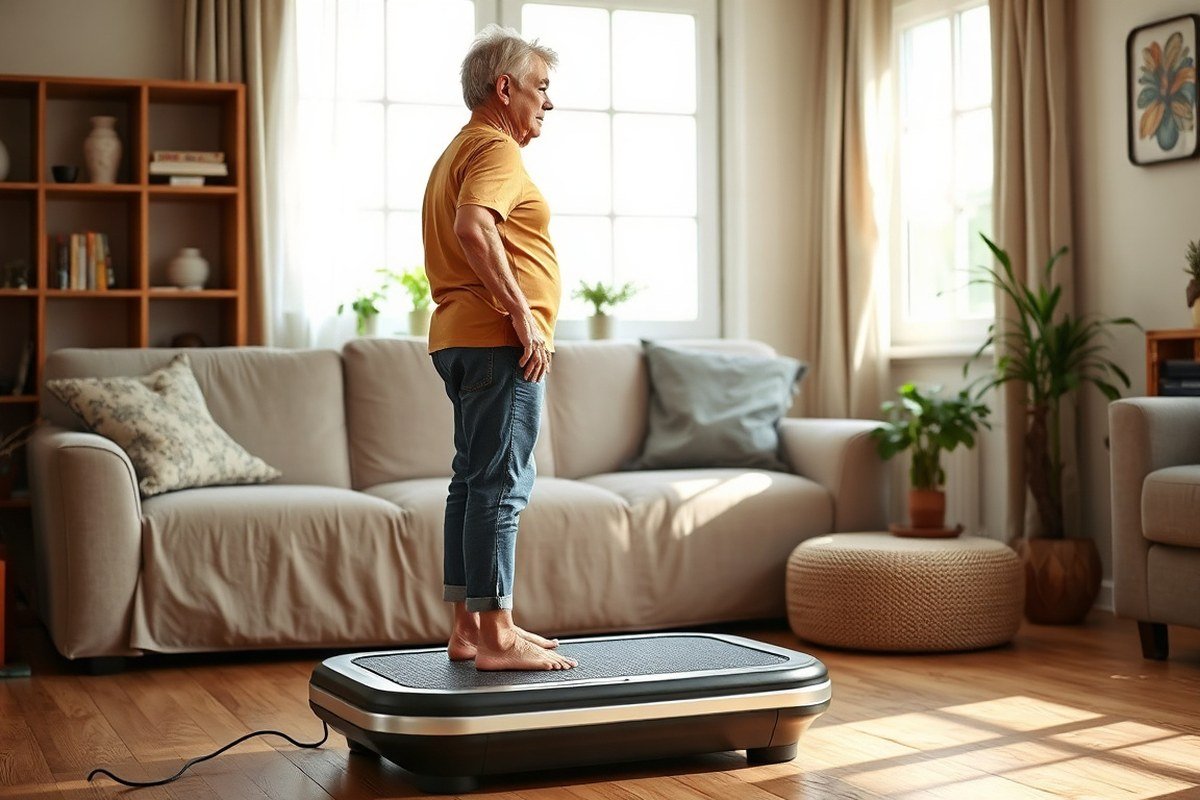
Your posture matters a lot. Stand with knees slightly bent and avoid locking your spine to reduce strain. Sitting or lying positions are good alternatives if standing causes discomfort. Focus on simple, low-impact exercises that don’t twist or load your spine heavily. This approach helps you safely strengthen muscles that support your back without risking further injury.
- Start at a low frequency: Set the plate vibration between 10 and 15 Hz to prevent muscle overstimulation.
- Limit session length: Begin with 3 to 5 minutes per session to see how your back responds.
- Maintain proper posture: Stand with knees bent, spine neutral, or try seated or lying positions if standing is painful.
- Do gentle movements: Perform simple exercises like mini squats or pelvic tilts that do not stress your back.
- Increase duration gradually: Add a minute or two every session up to a maximum of 15 minutes based on comfort and tolerance.
- Rest between sessions: Allow at least one day of rest between vibration plate workouts to help your muscles recover.
- Monitor your body’s signals: Stop immediately if you feel sharp pain or unusual discomfort and consult a healthcare professional.
Potential Risks and Warning Signs When Using Vibration Plates for Back Issues

Vibration plates can potentially worsen back problems if used improperly or by individuals with certain conditions. The vibrations transmit through your spine, so posture and technique matter a lot. Standing with a locked knee or a fully straight back may increase force along the spine and cause discomfort or injury.
Recognizing symptoms that signal harm is essential. Stop using the vibration plate immediately if you experience dizziness, headaches, worsening back pain, joint pain, numbness, or tingling sensations in your legs or arms. These indicate your body isn’t tolerating the vibrations well and continuing could cause damage.
People with specific back conditions should be especially cautious or avoid vibration plates. Those with herniated discs, severe osteoporosis, spinal fractures, or acute inflammatory back diseases are more vulnerable to harm from vibration therapy. Also, pregnant individuals should get approval from a prenatal provider before use.
- Stop if dizziness, headache, or nausea occurs during or after use
- Avoid if you feel new or worsened sharp or radiating back pain
- Discontinue on onset of numbness or tingling in limbs
- Do not use with known spinal fractures, severe osteoporosis, or herniated discs without medical clearance
- Check with your doctor to ensure vibration therapy is safe for your condition
- Adjust vibration intensity gradually, logging symptoms and stopping if adverse effects appear
Using a vibration plate safely requires careful monitoring of how your back responds. Medical clearance is important before starting, especially if you have pre-existing back or neurological issues. Adjusting one variable at a time, such as session length, vibration frequency, or intensity, helps you assess tolerance and avoid overexposure to forces that may exceed safe vibration levels reported in some products.
What Research Shows About Vibration Plates and Back Pain Relief
Research shows that whole-body vibration therapy can reduce chronic back pain and improve muscle strength and circulation, especially when combined with targeted exercise. A meta-analysis published in the Journal of Clinical Medicine in 2024 pooled data from multiple trials with participants experiencing back pain lasting three months or more. It found significant reductions in pain intensity and improvements in trunk muscle function within 4 to 8 weeks of consistent vibration plate use, usually defined as sessions lasting 10 to 20 minutes, two to three times per week.
Several studies reported improve blood flow from vibration training, which helps clear metabolic waste and reduces inflammation, a key contributor to chronic back pain. For example, a clinical trial observed better circulation and lower pain scores for patients with chronic low back pain after a 6-week course of whole-body vibration. Muscle strength improvements are also documented; one study in the Journal of Physical Therapy Science showed that middle-aged women increased trunk muscle strength, aiding pain relief and functional recovery.
Beyond pain and strength, vibration therapy supports balance and proprioception, which influence safe movement and reduce the risk of falls that worsen back problems. A review of 16 studies on older adults reported gains in knee muscle power and balance control after vibration training, suggesting benefits for those with mobility challenges related to back issues. Positive effects on muscle performance occur in as little as one month but vary depending on vibration frequency, session length, and individual conditions.
Comparison of research findings shows that while vibration therapy reduces pain intensity by about 20-40%, increases trunk muscle strength by approximately 10-15%, and improves circulation metrics, the timeline for these results usually spans 4 to 8 weeks. Longer interventions may be needed for sustained functional gains or managing particular conditions like fibromyalgia or sarcopenia. Users should aim for low to moderate vibration frequencies (20 to 40 Hz) and combine vibration plate use with conventional back exercises for best outcomes.
Who Should Avoid Vibration Plates Due to Back or Health Conditions
Vibration plates are not safe for everyone, especially if you have certain back problems or other health issues. Herniated discs usually rule out vibration plate use unless a healthcare professional specifically approves it. This is because the vibrations can worsen the disc condition or increase pain.
Other spine-related conditions like recent spinal fractures or severe instability also make whole body vibration (WBV) unsafe. Beyond back problems, people with certain cardiovascular issues, implanted devices, or circulatory problems should avoid vibration plates without medical clearance. Pregnant women and those recovering from recent surgeries or joint replacements also fall into this category.
Before using a vibration plate, it’s critical to consult your doctor, physical therapist, or healthcare provider. They consider your specific diagnosis and health status to confirm if vibration therapy fits your needs. Below is a table listing common contraindications along with recommended alternatives to vibration plate use.
| Condition | Reason to Avoid WBV | Recommended Alternatives |
|---|---|---|
| Herniated Disc | Risk of worsened disc damage | Gentle core stability exercises, physical therapy |
| Recent Spinal Fracture | Risk of delayed healing or injury | Low-impact mobility exercises, supervised rehab |
| Active or Recent Deep Vein Thrombosis (DVT) | Risk of dislodging blood clots | Walking, compression therapy, physician-guided rehab |
| Implanted Medical Devices (e.g. Pacemakers) | Device interference or malfunction | Non-vibrational strength and flexibility training |
| Recent Joint Replacement Surgery | Increased joint stress and risk to implant | Low-impact aerobic and strengthening activities |
| Pregnancy | Potential risks to fetus and mother | Prenatal yoga and pelvic floor exercises |
Use this checklist to decide if you need a medical consultation before trying vibration plates:
- Do you have any diagnosed spine condition like herniated disc or fracture?
- Have you had recent surgery or joint replacement?
- Do you have cardiovascular disease, blood clots, or implanted medical devices?
- Are you pregnant or dealing with any health concerns?
You should get medical approval before using vibration plates if you answered yes to any of these. This step helps prevent complications like dizziness, pain flare-ups, or other adverse reactions associated with inappropriate WBV use. A healthcare provider will guide you toward safe options tailored for your back and overall health.
When and How to Combine Vibration Plates Safely with Other Back Treatments
Vibration plates should not replace traditional back pain treatments. Instead, treat them as a supplementary tool to support your recovery or ongoing management. Physical therapy, stretching, and medications often address underlying causes more directly. Vibration plate use can improve muscle activation and circulation when combined carefully, which may aid healing and mobility.
Before adding vibration plate sessions to your routine, Consult your physical therapist or healthcare provider. They can help tailor your plan and prevent conflicting approaches. Use vibration plates on days when you perform light stretching or muscle activation exercises but avoid heavy therapy sessions immediately after vibration use to allow muscles to recover. Continue taking your prescribed medication for inflammation or pain without changes, and talk to your provider about how vibration might fit into your treatment plan.
- Start with short sessions, 3 to 5 minutes, low frequency (20-30 Hz)
- Align vibration plate exercises with your physical therapist’s recommendations
- Monitor any increase in back stiffness or pain and pause usage if it worsens
- Schedule periodic evaluations to assess progress and adjust therapy
- Avoid vibration use during acute flare-ups or immediately after injections or surgeries
- Record your symptoms daily to track changes related to vibration sessions
Signs to re-evaluate your treatment include persistent or worsening discomfort, new sharp pains, or increased stiffness beyond typical post-exercise soreness. According to Jake Meyer, PT, DPT, mild discomfort or stiffness may linger but should not escalate. Stop using the vibration plate if these symptoms occur and consult your healthcare team promptly. Combining treatments carefully, with professional guidance, keeps you safe and maximizes benefits without confusion or harm. Scheduling an evaluation at a facility like WAVE Physical Therapy + Pilates helps determine if vibration plates suit your individual needs before making them part of your plan.
Your First Steps: A Safe Start with Vibration Plates for Back Pain
Starting vibration plate exercises carefully can help you avoid worsening back issues. Follow this plan to test your body’s response and adjust safely.
- Before you begin: Consult your healthcare provider to ensure vibration training suits your back condition. Approval means it’s safe to proceed.
- Day 1: Start with a low-frequency setting (around 20-25 Hz) and stand on the plate for 1-2 minutes. If pain increases, stop immediately.
- Week 1: Gradually increase standing time to 5 minutes and avoid intense postures like deep squats. No new or increased pain means you’re adapting well.
- After 2 weeks: Add simple movements such as slight knee bends or gentle core contractions while on the plate, watching for any discomfort.
- Week 3: Consult your therapist to modify posture and increase vibration frequency only if there is no back pain escalation.
- Ongoing: Combine vibration sessions with approved back exercises and stretches, keeping sessions under 15 minutes and limiting frequency to 2-3 times per week.
- Anytime pain worsens: Stop and seek medical advice before continuing. Safety is key to avoiding setbacks.
Frequently Asked Questions
Can Vibration Plates Worsen Existing Spinal Injuries?
Yes, vibration plates can worsen spinal injuries by increasing pressure and instability, so avoid use without medical approval if you have acute or serious back injuries.
Is It Safe to Stand on a Vibration Plate If You Have Herniated Discs?
Standing on a vibration plate with herniated discs is generally not recommended without doctor clearance, as vibrations may aggravate nerve irritation.
Can Vibration Plates Help Improve Posture for People with Back Pain?
Vibration plates may help improve posture indirectly by strengthening core muscles when combined with exercises, but they are not a standalone solution for posture correction.
Are There Specific Vibration Plate Types or Settings Better for Back Pain?
Lower frequency settings (10-15 Hz) and plates designed for low-impact vibrations are safer for back pain, helping reduce risk and provide mild muscle stimulation.
Do Vibration Plates Affect People with Osteoporosis Differently Regarding Back Safety?
People with osteoporosis should use vibration plates cautiously since vibrations might increase fracture risk; medical advice is important before trying them.
The Bottom Line
Vibration plates can be safe for some people with back problems when used cautiously and under professional guidance. You should listen to your body and stop if you feel increased pain or discomfort. Your next step is to talk with your healthcare provider before starting vibration plate exercises to tailor a plan that fits your specific back condition.