Can a Vibration Plate Lower Blood Pressure? What Actually Works
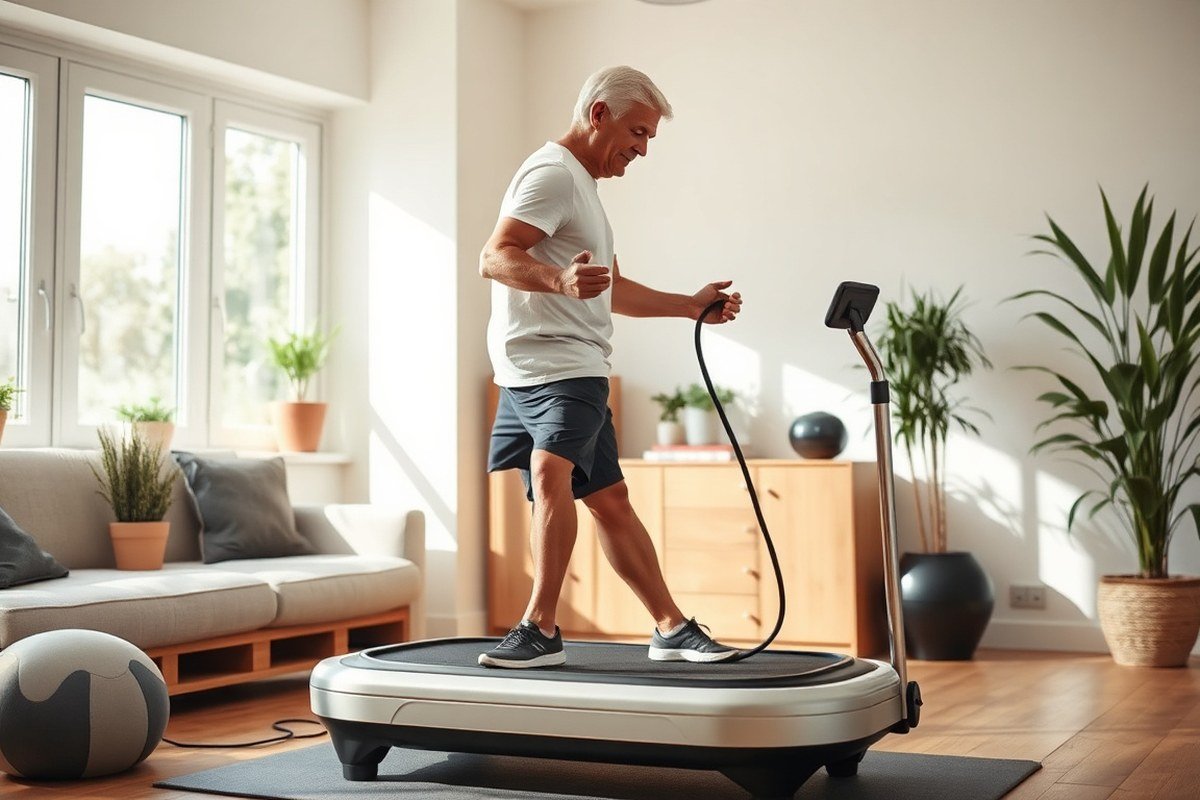
Can a vibration plate lower blood pressure? Research shows that regular use of vibration plates may lead to modest reductions in resting blood pressure, especially for adults with stage 1 hypertension. The vibrations stimulate muscles and circulation, helping improve vascular health and potentially supporting blood pressure control. Start by standing on the plate with knees bent slightly and feet hip-width apart, aiming for about 10 minutes per session to activate multiple muscle groups and boost circulation.
Key Takeaways
- Engaging in whole body vibration exercises regularly can reduce systolic blood pressure by approximately 6.6 mmHg and diastolic pressure by around 3.0 mmHg after a few weeks.
- Ten minutes on a vibration plate activates multiple muscle groups, improving circulation and metabolism.
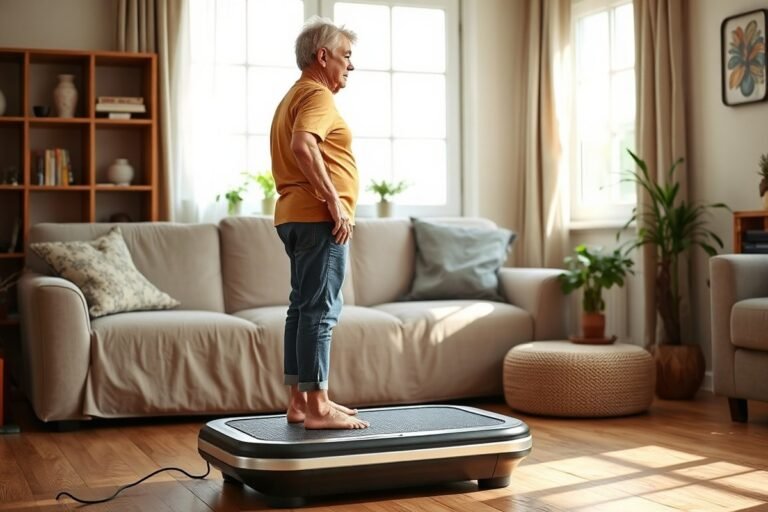
- Stand with knees slightly bent (10 to 20 degrees) and feet hip-width apart for optimal vibration effects.
- Use a blood pressure cuff to monitor changes before and 10 minutes after sessions during the first weeks.
- Vibration plate sessions should complement, not replace, the recommended 150 minutes of weekly moderate aerobic exercise.
- Consistent use shows more benefits than passive standing on the vibration plate without movement.
Can a Vibration Plate Lower Blood Pressure? What Research Shows
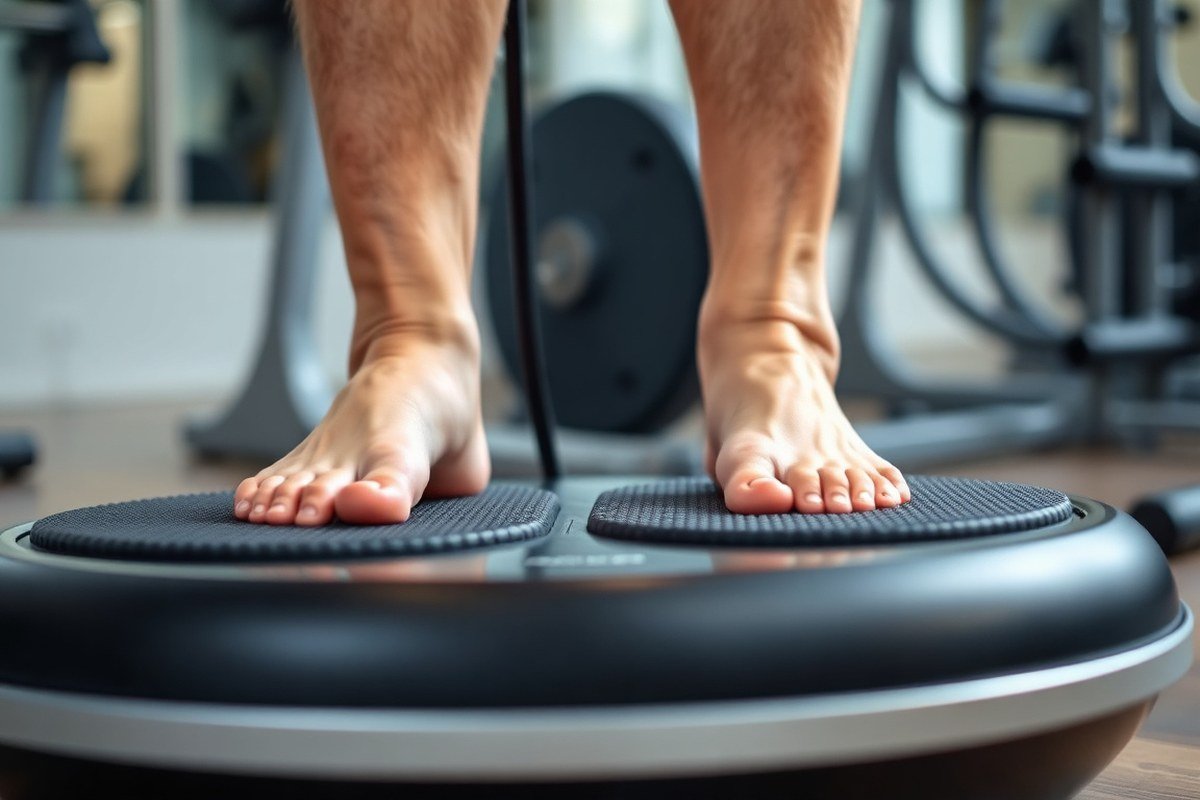
Research indicates that vibration plates may help lower blood pressure. A complete review and analysis of randomized controlled trials found that whole-body vibration exercises significantly decreased resting systolic and diastolic blood pressure in adults. Over the past decade, several independent studies consistently report moderate reductions in blood pressure when vibration plate workouts are part of a regular exercise plan.
The typical reductions reported include drops of around 5 to 7 mm Hg in systolic pressure and 3 to 5 mm Hg in diastolic pressure after regular sessions over weeks to months. These changes, while modest, can be clinically significant for people managing hypertension. The benefits may stem from improved vascular function and decreased arterial stiffness, which influences how blood flows and how pressure waves move through blood vessels.
The effectiveness of vibration plates depends on variables such as vibration frequency, amplitude, session length, and body position during use. Because studies vary in these factors and participant health status, no single vibration protocol guarantees the same blood pressure outcome for everyone. Some research suggests that vibration training may have lasting effects on endothelial function, possibly supporting sustained improvements in resting blood pressure over time.
Regular use typically involves starting with light sessions focused on standing or gentle movements on the plate, paired with proper hydration and warm-up. The cost of home vibration plates ranges widely but often falls between $200 and $1,000, depending on model features. These devices are usually supplemental; they should not replace prescribed medication or medical care for hypertension.
How Vibration Plates Influence Blood Flow and Vascular Health
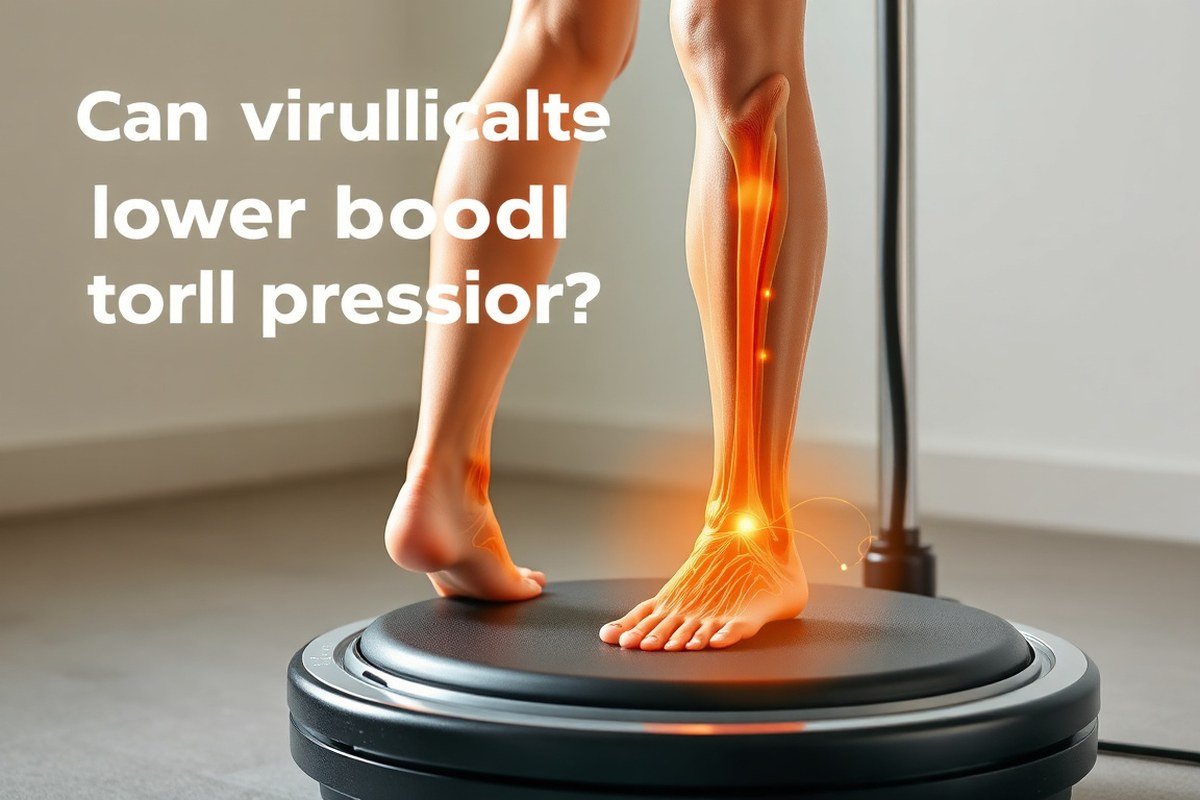
Whole body vibration stimulates muscle activation by causing rapid, reflexive contractions in muscles while you stand or perform exercises on the plate. These contractions mimic the natural muscle responses during movement, helping improve blood flow by promoting stronger vascular pumping action. The improve muscle activity encourages arteries to dilate temporarily, which supports circulation and can influence blood pressure during vibration sessions.
This increased circulation is tied to vascular responses, including improved endothelial function. The endothelium, the thin layer lining blood vessels, plays a key role in regulating vascular tone and blood pressure by releasing substances that control vessel dilation. Vibration training could promote healthier endothelial responses, potentially reducing arterial stiffness, a factor known to impact blood pressure regulation negatively.
Arterial stiffness affects how easily blood flows through vessels. Less stiffness means arteries expand more readily with each heartbeat, easing the heart’s workload and potentially lowering blood pressure. Some studies suggest whole body vibration may improve arterial flexibility, although these effects tend to be short-lived and mainly noticeable during or immediately after use.
Using a vibration plate typically places a mild cardiovascular demand on the body, temporarily raising blood pressure while muscles respond. This effect is similar to moderate walking or light physical activity. The key physiological mechanism is the muscle pump effect combined with mechanical stimulation of blood vessels, which can improve overall vascular function for people who might find traditional exercise challenging.
For best results, vibration sessions often last between 10 and 20 minutes at clinically studied frequencies ranging from 20 to 50 Hz. It’s important to perform controlled movements or maintain stable postures during vibration to maximize muscle activation safely. However, benefits related to vascular health depend significantly on consistent use alongside an active lifestyle rather than vibration alone.
How to Use a Vibration Plate to Support Blood Pressure Control
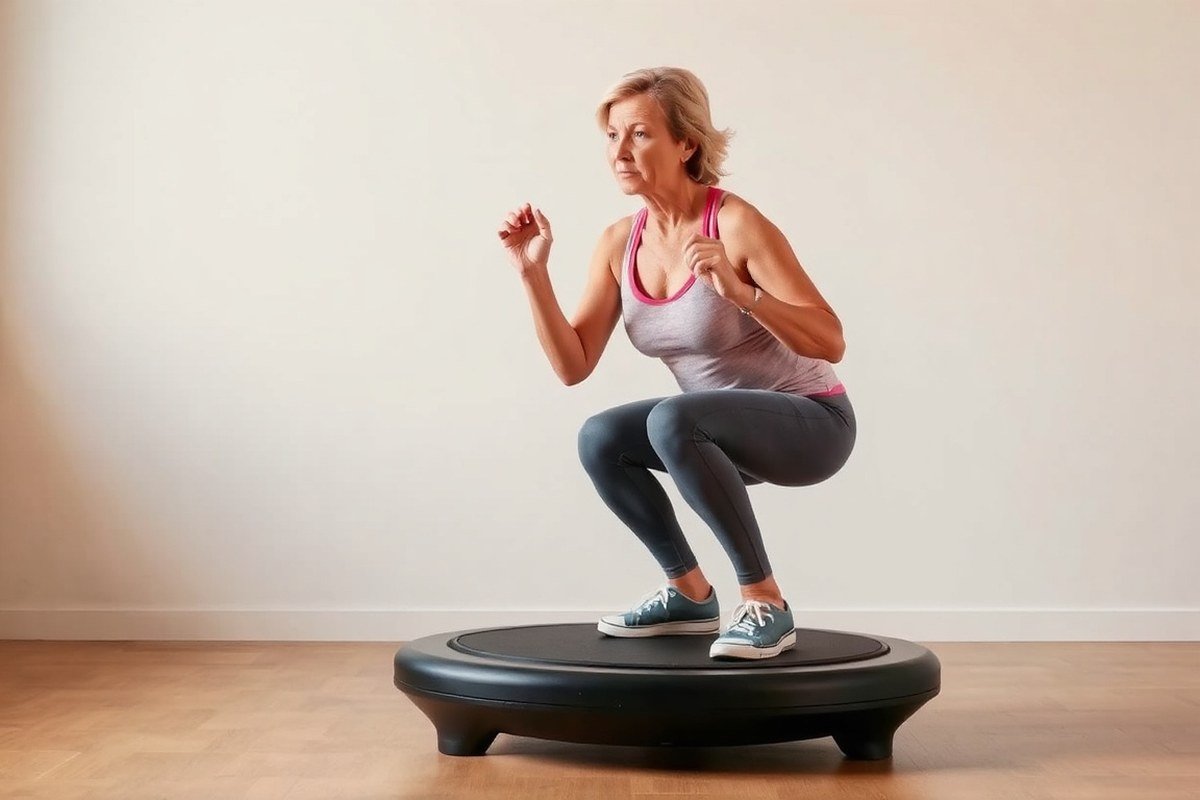
To support blood pressure control with a vibration plate, structure your sessions carefully to balance effectiveness and safety. Start with short sessions of 10 to 15 minutes, working out two to three times weekly. This schedule allows your cardiovascular system to adapt under low to moderate frequency settings, generally around 20 to 30 Hz. Active exercises like Squats, calf raises, and marching help engage muscles and improve circulation more than passive standing, but remember to maintain relaxed, continuous breathing to avoid raising blood pressure suddenly. Follow a step-by-step routine to get the most benefit while staying safe:
- Check your blood pressure before starting each session to ensure it is within a safe range for exercise.
- Hydrate well by drinking water before and after the session to support circulation and recovery.
- Warm up off the plate for 3 to 5 minutes with gentle stretching or a slow walk to prepare your muscles.
- Begin with passive standing on the vibration plate at a low frequency for 2 to 3 minutes to acclimate your body.
- Perform active exercises such as 2 sets of 10 squats, 15 calf raises, and 20 marching steps while standing on the plate. Rest 30 seconds between sets.
- Maintain relaxed and regular breathing throughout all exercises to prevent unnecessary blood pressure spikes.
- Cool down off the plate with light stretching for 3 to 5 minutes after exercises to promote recovery.
- Monitor your response during and after each session. Stop and consult a healthcare provider if you feel dizzy, excessively fatigued, or experience unusual symptoms.
Consistency over several weeks can lead to improved circulation and lowered resting blood pressure, especially combined with a balanced diet and other healthy habits. Adjust the intensity and duration based on your comfort and medical advice, prioritizing safety at every session.
Safety Considerations: Who Should Avoid or Use Vibration Plates with Caution
Using a vibration plate can be safe for some individuals with controlled hypertension, but caution is necessary. People with uncontrolled high blood pressure, unstable cardiovascular conditions, or certain other health issues should avoid or carefully manage their exposure to vibration exercises. The effects of vibration on blood pressure may vary based on your medication, exercise intensity, and overall heart health. Key medical conditions requiring extra caution or avoidance include:
- Uncontrolled high blood pressure or recent hypertensive crisis
- Active heart disease such as arrhythmias, recent heart attack, or heart failure
- Deep vein thrombosis or blood clotting disorders
- Severe joint issues or recent fractures without medical clearance
- Implanted medical devices like pacemakers unless approved by your doctor
- Pregnancy, due to potential risks to mother and baby
- Neurological disorders affecting balance or motor control
Monitoring your body’s responses during use is important. Stop using the vibration plate immediately if you experience symptoms such as lightheadedness, unusual fatigue, chest pain, irregular heartbeats, or dizziness. These signs suggest your cardiovascular system is under stress or reacting adversely. Testing your blood pressure before and after use helps ensure it remains within safe limits. Regular consultation with a healthcare provider is important to tailor your vibration plate use safely to your specific health profile and medications.
Comparing Passive Standing and Active Exercises on a Vibration Plate
Standing passively on a vibration plate offers a mild stimulus by triggering reflex muscle contractions, which can slightly improve circulation and metabolism. This Passive standing is easy to do: just stand still on the plate for around 10 minutes at a comfortable vibration frequency. While this can be a starting point, adding Active exercises like squats, lunges, or planks during vibration significantly boosts muscle activation, strengthens muscles and bones, and improves blood flow, contributing more effectively to blood pressure management.
| Aspect | Passive Standing | Active Exercises |
|---|---|---|
| Muscle Activation | Low to moderate (reflex contractions) | High (targeted muscles engaged) |
| Circulation Improvement | Moderate | Significant |
| Blood Pressure Effects | Possible modest reductions over time | More consistent and greater reductions reported |
| Time Required | About 10 minutes standing per session | About 10 minutes including exercises per session |
| Complexity | Simple, no skill needed | Requires some fitness, proper form for exercises |
| Additional Benefits | Some metabolic stimulation | Improved muscle tone, flexibility, bone density support |
For those new to exercise or with limited mobility, starting with passive standing can provide a gentle stimulus to improve circulation without strain. As fitness improves, gradually introducing active exercises on the vibration plate maximizes benefits and better supports Blood pressure lowering. Ensure sessions last around 10 minutes and stay well hydrated to maintain circulation and blood volume.
Use consistent sessions combined with healthy lifestyle habits. Proper form during active movements is key to avoid injury and to get the most from the plate. For older adults or those with health concerns, consulting a healthcare professional before beginning active vibration plate exercises is advisable.
When to Consult a Healthcare Professional About Vibration Plate Use
Monitoring your blood pressure regularly is key when using a vibration plate to support cardiovascular health. Check your blood pressure before you start a session and again afterward to track any immediate changes. Keep a log for at least two weeks to observe trends clearly. It’s best to use a reliable home blood pressure monitor and follow the same conditions each time, such as sitting quietly for five minutes beforehand. This consistency helps you understand how your body responds to the vibration exercise.
Stop using the vibration plate and seek medical advice if you experience any of the following symptoms during or after a session: dizziness, chest pain, unusual shortness of breath, palpitations, severe headache, or swelling in your legs. These signs may indicate your cardiovascular system is not responding well or that your blood pressure is fluctuating dangerously.
- Sharp or persistent chest pain
- Fainting or feeling faint
- Severe headache or blurred vision
- Sudden weakness or numbness
- Rapid or irregular heartbeat
- Leg swelling or unexplained weight gain
- Confusion or difficulty speaking
Inform your healthcare provider promptly if any of these occur. When you call or visit, describe your symptoms clearly using this script: “Since I started using a vibration plate, I have noticed [describe symptom] during/after the sessions. My blood pressure readings have been [give approximate changes], and I’m concerned about how this might affect my health. Can you advise me if I should continue or adjust my exercise routine?” This allows your provider to assess the situation quickly and suggest the safest plan going forward.
Your First 30 Days: A Quick-Start Plan for Using a Vibration Plate
Start incorporating vibration plate sessions cautiously to support blood pressure control. Track your response to exercise and adjust your use accordingly.
- Before you start: Consult your healthcare provider to confirm if vibration plate use is safe for you, especially if you have high blood pressure or related conditions.
- Day 1: Begin with 5 minutes of passive standing on the vibration plate at a low frequency setting to assess your comfort. Check your blood pressure before and after to note any immediate changes.
- Week 1: Increase to 10 minutes and add gentle seated or standing exercises on the plate. Observe how your blood pressure responds within an hour after use.
- Week 2: Incorporate 2 to 3 sessions per week, including active exercises like squats or calf raises on the plate. Monitor steady blood pressure trends during your weekly checkups.
- Week 3: Gradually increase session length up to 15 minutes and intensity if comfortable. Avoid overexertion and record your heart rate and blood pressure regularly.
- After 4 weeks: Evaluate your blood pressure patterns and symptom changes. Adjust frequency or intensity in consultation with your healthcare provider based on your results.
- Ongoing: Combine vibration plate use with other lifestyle practices such as diet, medication adherence, and aerobic exercise for complete blood pressure management.
Frequently Asked Questions
Can a Vibration Plate Replace Blood Pressure Medication?
No, a vibration plate cannot replace medication but may complement treatment under medical advice. Always continue prescribed treatments and consult your doctor before making changes.
How Often Should I Use a Vibration Plate to See Blood Pressure Benefits?
Using a vibration plate 2 to 3 times per week as part of a regular routine may help lower blood pressure. Consistency combined with other healthy lifestyle habits is key.
Does Vibration Plate Use Cause Any Immediate Blood Pressure Spikes?
Yes, blood pressure may temporarily rise during a vibration session due to muscle activity. These changes are usually short-term and return to baseline or improve with regular use.
Are There Specific Exercises on a Vibration Plate Better for Blood Pressure Reduction?
Dynamic and active exercises on a vibration plate generally offer better blood pressure benefits than just standing passively. Engaging muscles during vibration helps improve circulation and vascular health.
Can Vibration Plates Improve Blood Vessel Elasticity?
Regular vibration plate use may improve vascular function and elasticity, which supports better blood pressure control. This likely happens through improve circulation and muscle stimulation.
Key Points to Remember
Vibration plates may help lower blood pressure by improving circulation and vascular function when used carefully. Regular monitoring and proper technique are essential to gain benefits safely. Talk with your healthcare professional after your first month to discuss ongoing use and how it fits your overall health strategy.