Can a Vibration Plate Help with Lipedema? A Complete Guide with Proven Tips
Can a vibration plate help with lipedema? Using a vibration plate daily for 10 to 15 minutes can reduce swelling and improve circulation in affected legs. Regular sessions before manual lymphatic drainage (MLD) also boost lymph flow, improving symptom relief.
Key Takeaways
- Use a vibration plate for 10-15 minutes daily to support reduced swelling and improved leg circulation in lipedema.
- Choose a plate with a weight capacity of at least 330 lbs to accommodate body composition changes from lipedema safely.
- Select a vibration plate with adjustable speeds and oscillating motion for effective and customizable therapy.
- Pre-activate circulation by using the vibration plate for 10 minutes before manual lymphatic drainage sessions.
- Consistent use 5-7 days a week prevents symptom return; stopping often causes swelling to return within 1-2 weeks.
- Avoid sessions longer than 30 minutes daily as manufacturers recommend to minimize risk and maximize benefit.
Can Vibration Plates Reduce Lipedema Symptoms Effectively?
Vibration plates can help reduce lipedema symptoms by improving circulation and stimulating the lymphatic system. Lipedema causes abnormal fat buildup and fluid retention, leading to swelling and pain, especially in the legs. Vibration therapy promotes gentle muscle contractions that activate the lymphatic pump, encouraging fluid movement away from swollen areas. This helps decrease fluid buildup and eases pain sensitivity over time.
Many practitioners recommend adding vibration therapy after you’ve optimized basic treatments like compression garments, diet, and manual lymphatic drainage massage. Using a vibration plate with an oscillating (side-to-side) motion is ideal because it delivers gentle, rhythmic stimulation without stressing sensitive joints or tissue. Typical settings are low amplitude (1 to 2 millimeters) and frequencies around 10 to 20 hertz, which activate lymph flow while minimizing discomfort.
Sessions usually last 10 to 15 minutes and are performed 5 to 7 times a week for best results. Consistent use can lead to visible improvements such as reduced leg swelling and less pain, increasing overall mobility. Some devices even include red light therapy to support skin health and further improve lymphatic drainage. However, responses vary, and those with severe swelling or other conditions should use vibration plates under medical guidance.
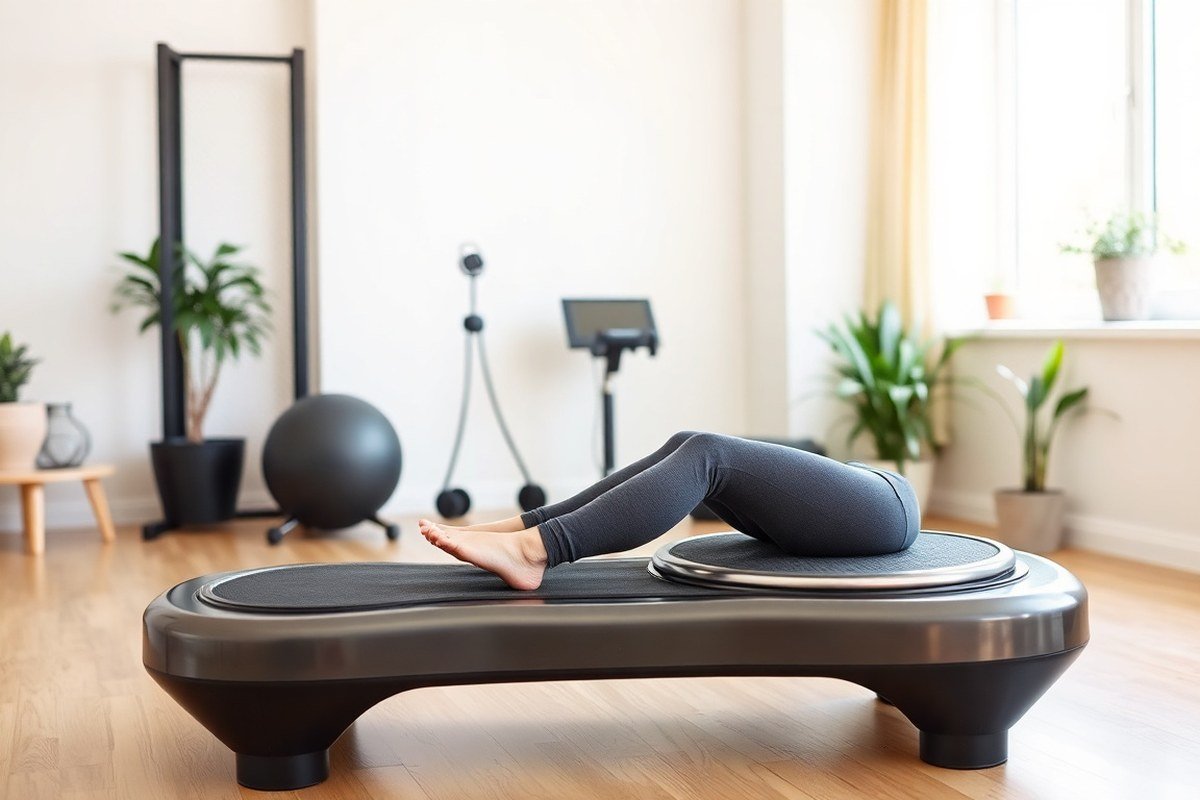
In addition to lymphatic benefits, vibration therapy may relieve circulation issues like coldness or numbness associated with lipedema. Anyone with limited mobility can start with gentle seated or standing exercises on the plate that match how their body feels. Overloading tissue too quickly might worsen symptoms, so gradual progression is key. Overall, vibration plates offer a non-invasive way to support lymphatic drainage, reduce swelling, and diminish pain associated with lipedema.
What Vibration Plate Features Matter Most for Lipedema?
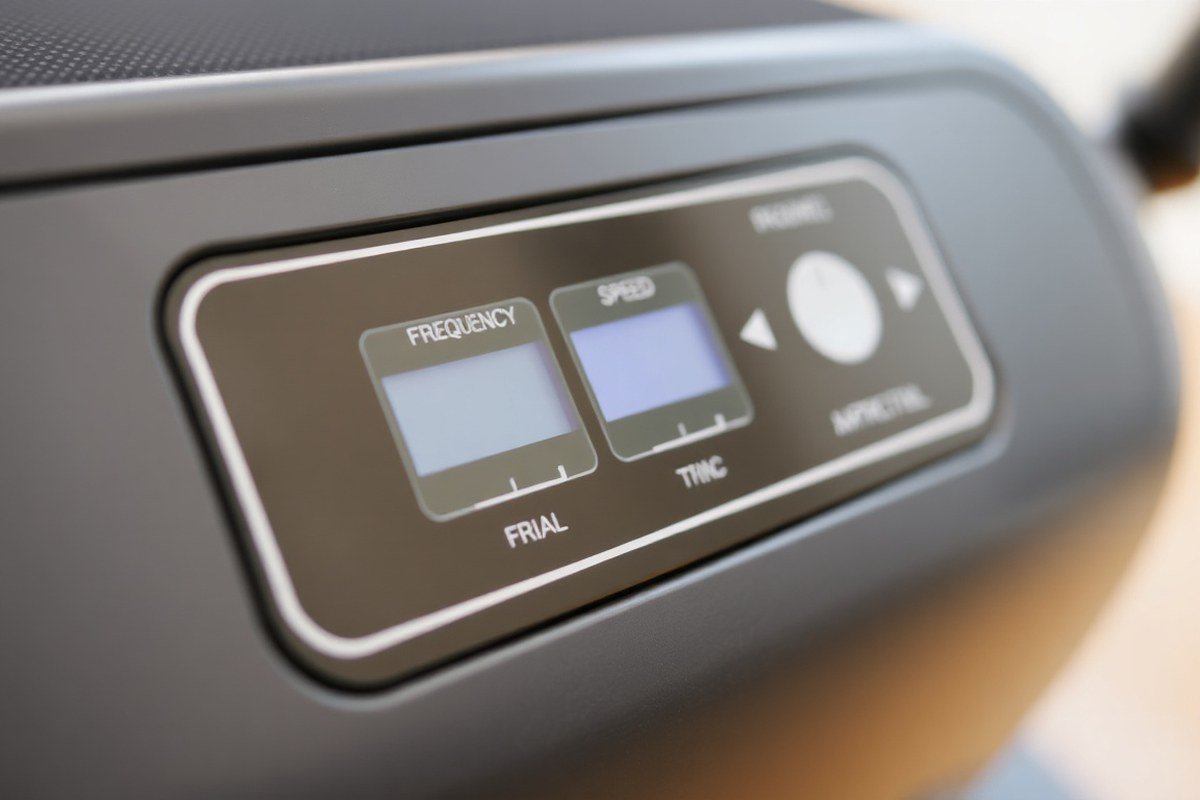
Choosing the right vibration plate for lipedema means prioritizing oscillating motion and adjustable frequency settings. Plates that operate between 5 and 20 Hz provide gentle vibrations, which can stimulate lymphatic flow without overworking sensitive tissues. For example, models offering 90 or more speed levels give you precise control to tailor your session according to your comfort and progress.
Weight capacity is a critical feature. Since lipedema affects body composition, a plate with at least a 330-pound (150 kg) capacity is recommended. Heavy-duty options can support up to 450 pounds, ensuring stability and durability for users with higher body weights. This wide weight range helps maintain platform stability, so the motion remains smooth and safe.
Extra features such as acupressure footpads, red light therapy, or magnetic massage can complement vibration therapy by promoting circulation and easing discomfort during use. Red light therapy, for instance, may support skin health and improve lymphatic drainage. Stability enhancements like handrails and wide bases also matter, especially if balance is a concern.
| Feature | Bluefin Ultra Slim | LifePro Waver |
|---|---|---|
| Vibration type | Oscillating | Oscillating |
| Frequency range | 6-12 Hz | 4-12 Hz |
| Max user weight | 150 kg (330 lbs) | 136 kg (300 lbs) |
| Speed settings | 180 | 99 |
| Remote control | Yes | Yes |
| Best for lipedema | Higher weight capacity; wider frequency range for progression | Capped frequencies help avoid exceeding safe ranges |
Use the vibration plate at low frequencies initially, around 5 to 12 Hz, to let your body adjust. Increase intensity and session length gradually up to 20 minutes, focusing on consistency rather than intensity. Avoid models with only high-frequency settings above 20 Hz to reduce the risk of discomfort or tissue irritation. Opt for plates with reliable build quality and stability features to ensure safe, long-term use.
How to Safely Start and Build a Vibration Plate Routine for Lipedema
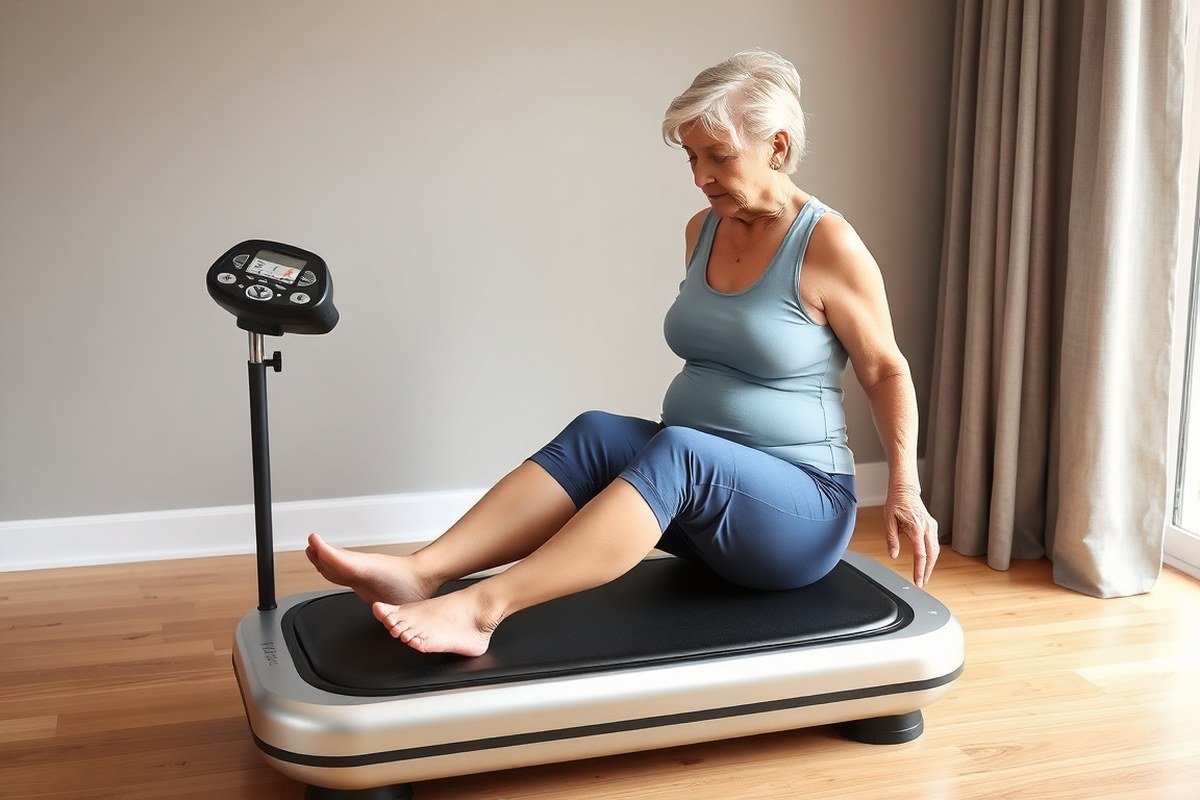
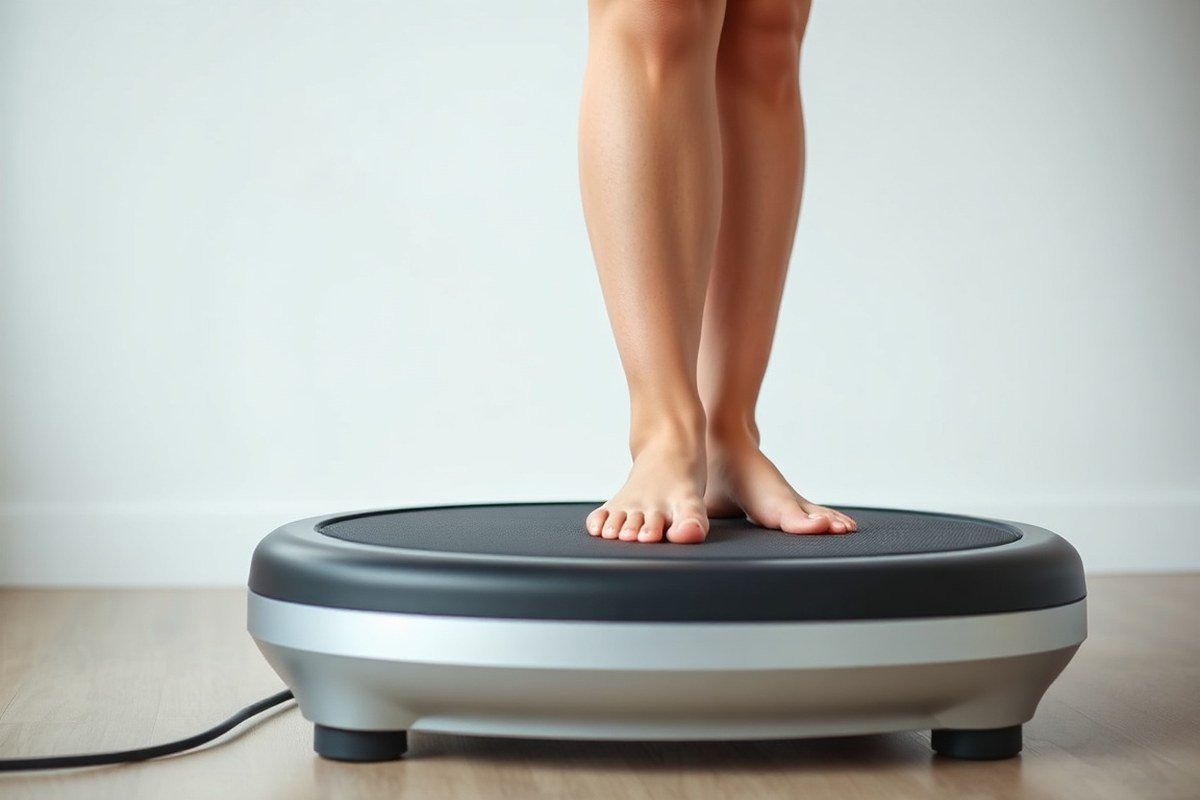
Begin with short sessions of about 5 minutes on the vibration plate at the lowest frequency, typically around 25 Hz. This gentle start helps your body adapt, especially if you have mobility issues or are new to vibration therapy. Stand on the platform with knees slightly bent to engage muscles and encourage lymphatic flow. Aim to use the vibration plate daily to build consistency and support improved circulation.
After the first week or two, gradually increase the session length to 10 minutes while slowly raising the frequency to 30 Hz if your machine allows. Monitor how your legs respond, signs of improvement include reduced heaviness and swelling, while any pain or increased discomfort means you should reduce time or intensity. Adjust according to how your body feels rather than pushing to a fixed goal.
Once comfortable, extend sessions up to 15 or even 30 minutes, depending on your energy and schedule. Daily use often yields better results than longer sessions less frequently. For example, a 10 to 15-minute daily routine is usually more effective than a single 30-minute session weekly. Using the vibration plate before manual lymphatic drainage can also help pre-activate circulation, making other treatments more effective.
Expect to notice modest symptom relief within a few weeks, but individual response varies widely. Make adjustments based on your daily needs, especially when your legs feel heavy or tired. Stability and user comfort matter in selecting a device since safe posture and balance improve benefits. Sticking to a consistent, gradual progression protects against overuse and supports your lipedema management over time.
Which Vibration Plate Exercises Help Lipedema Symptoms Best?
Safe vibration plate exercises for lipedema focus on improving lymphatic drainage, circulation, and muscle activation. Begin with low-frequency settings around 20-30 Hz to gently stimulate blood flow without causing discomfort or inflammation. Standing exercises that engage the lower legs, such as slight knee bends or calf raises, help activate muscles that support lymphatic movement. Holding each position for 1-2 minutes while maintaining light tension in the muscles encourages fluid circulation. For those with limited mobility, seated vibrations on a stool allow blood and lymph flow with less strain. Sessions lasting 10-15 minutes, 3-4 times per week, typically support ongoing symptom relief.
Vibration therapy does not directly reduce fat deposits or alter fat distribution in lipedema. Instead, the improvements come from improve fluid movement and reduced swelling, which often make legs feel lighter and more functional. Combining vibration exercises with compression garments and manual lymphatic drainage (MLD) optimizes outcomes. This approach mirrors findings from a 2020 randomized controlled trial showing better lymphatic clearance when low-setting vibration is paired with MLD compared to MLD alone.
To integrate vibration plate sessions with other management strategies, perform vibration exercises either before or after manual lymphatic drainage routines. This order helps loosen fluid buildup, allowing MLD to work more efficiently. Compression therapy should remain consistent throughout. Avoid high frequencies or long durations that can increase inflammation. Monitoring your body’s response, especially swelling or pain changes, is important. Consistency matters; ceasing vibration therapy often leads to symptom return within a week or two, so regular use improve sustained benefits in circulation and symptom comfort.
What Safety Precautions and Risks to Consider with Vibration Therapy?
Using a vibration plate with lipedema requires careful attention to safety and risks. Your unique condition can react differently to vibration, so it’s essential to know when to avoid it and when to seek medical advice. Vibration therapy works by stimulating the lymphatic system, which may help reduce swelling and improve circulation. However, incorrect use or overuse can worsen symptoms or cause discomfort.
Prior to starting vibration therapy, check if you have any contraindications. Avoid vibration plates if you have blood clots, recent surgery, fractures, severe cardiovascular disease, or active infections. Consult your healthcare provider before beginning therapy, especially if you are pregnant or have other chronic health issues. These precautions help prevent complications such as increased swelling or bruising.
During and after sessions, pay attention to how your body feels. Mild warmth or a tingling sensation in areas with lipedema is normal, but stop immediately if you experience sharp pain, increased swelling, dizziness, or lasting numbness. These symptoms indicate that the intensity or duration may be too high or the therapy is not suitable for your condition.
Start with low intensity and short sessions, typically 5 to 10 minutes at a gentle vibration frequency, to see how your body responds. Gradually increase time if there are no adverse effects. A simple checklist before each session: no open wounds, no new bruises, no severe discomfort the previous day, and good hydration. Avoid using the plate on inflamed or very tender areas.
Consult your doctor or a licensed physical therapist if you notice persistent negative symptoms or want to adjust your vibration routine safely. They can help tailor therapy to your needs and monitor progress. Following these safety tips reduces risks and ensures vibration plates provide benefit without harm to lipedema management.
How Does Vibration Therapy Compare with Manual Lymphatic Drainage?
Vibration therapy and manual lymphatic drainage (MLD) serve different but complementary roles in managing lipedema symptoms. MLD is a specialized massage technique performed by trained therapists to manually stimulate lymph flow, helping reduce fluid buildup and swelling. It requires clinical visits, usually lasting 30 to 60 minutes, and can be costly depending on location and frequency, often around $75 to $150 per session.
Vibration plates, by contrast, offer a passive mechanical stimulus that encourages lymphatic movement through low-frequency vibrations, typically between 5 and 50 Hz. These vibrations improve circulation and can boost the effects of MLD by activating muscle contractions that aid lymph flow without direct manual manipulation. Studies, such as the Schneider trial, show that combining low-frequency vibrotherapy with MLD reduces lipedema size more than MLD alone, indicating a synergistic benefit.
Unlike MLD, vibration plates can be used at home, making them a convenient addition to daily routines. Using a vibration plate for 10 to 20 minutes several times a week can complement compression garments and gentle exercise. However, vibration therapy should not replace MLD or complete decongestive therapy (CDT), which includes skin care and compression. Patients relying solely on vibration plates risk missing the targeted lymphatic stimulation and guidance from clinicians that MLD provides.
For best outcomes, integrate vibration therapy into a broader treatment plan. Use a vibration plate with adjustable frequency and stable design to safely assist lymphatic flow, then schedule regular MLD sessions. This combination targets symptom relief more effectively, supporting smaller limb size and reduced discomfort over the long term. Cost-wise, investing in a quality vibration plate initially ($300 to $1000) alongside periodic MLD treatments can balance convenience with therapeutic effectiveness.
Common Mistakes in Vibration Plate Use and How to Fix Them
Overusing a vibration plate is a common mistake that can cause increased swelling or discomfort in lipedema-affected areas. Start with sessions of 5 to 10 minutes, two to three times per week, and gradually increase duration or frequency only if you feel comfortable. Pay attention to your body’s signals, like pain or numbness, and pause or reduce intensity if symptoms worsen. Consulting with your healthcare provider first ensures your routine aligns with your lipedema stage and overall health.
Incorrect posture on the vibration plate reduces effectiveness and may cause strain on joints. Stand with feet hip-width apart and knees slightly bent to absorb vibrations safely. Engaging your muscles and maintaining a neutral spine helps promote lymph flow and fat mobilization. For lower-body focus, lightly bending knees and shifting weight can target swollen areas. Adding gentle movements, such as calf raises or ankle rotations, while on the plate improves circulation and lymphatic drainage.
Ignoring symptoms or discomfort signals risks worsening lipedema or creating inflammation. You should notice mild warmth or tingling during sessions, but sharp pain or increased swelling means you need to adjust. Lower the vibration intensity or shorten session time and apply compression garments afterward to support comfort. People with advanced lipedema stages often require more gentle therapy, focusing on smaller affected areas rather than whole-body vibration.
Modifying your therapy by stage and body area helps you get the best results. For instance, targeting thighs and hips with seated or semi-reclined positions reduces joint load while still stimulating affected fat tissue. Those early in treatment can try standing postures with mild vibration. Wearing compression during and after sessions supports lymph flow and decreases post-exercise swelling. Small tweaks like these ensure the vibration plate complements other treatments and fits your individual needs.
Getting Started with Vibration Plate Therapy for Lipedema
Follow this plan to introduce vibration plate therapy safely and see if it fits your lipedema management.
- Before you start: Consult your healthcare provider to ensure vibration therapy is safe for your condition and ask about any contraindications.
- Day 1: Begin with a 5-minute session on a low setting, standing with knees slightly bent, to gauge comfort and tolerance. If no increased pain or swelling occurs afterward, proceed gradually.
- Week 1: Increase session duration to 10 minutes every other day, maintaining low intensity. Notice any changes in leg heaviness or fluid retention.
- Week 2: Add simple standing exercises on the plate, such as gentle squats or weight shifts, to activate muscles. Check for reduced discomfort or improved mobility after sessions.
- Week 3: Gradually increase vibration intensity if comfortable, aiming for 10-15 minutes per session three times a week. Monitor for decreased tissue firmness or less frequent swelling.
- After 4 weeks: Evaluate symptom changes with your provider and adjust routine or combine with other therapies if needed.
- Ongoing: Continue sessions consistently, avoid overuse, and stop or reduce intensity if pain or swelling worsens.
Frequently Asked Questions
Can a Vibration Plate Reduce Swelling Caused by Lipedema?
Yes, vibration plates can help reduce swelling by promoting lymphatic drainage, which may ease discomfort and improve mobility. Regular sessions support better fluid movement in affected areas.
Is Vibration Therapy Suitable for All Stages of Lipedema?
Vibration therapy is generally safe for various stages but works best after basics like compression and manual drainage are in place. Consult your healthcare provider before starting if you have advanced symptoms.
How Often Should I Use a Vibration Plate for Lipedema Symptom Relief?
Using a vibration plate 3 to 5 times per week for 10 to 20 minutes can be effective, depending on your tolerance and symptoms. Start slowly and increase frequency based on comfort and results.
Can Vibration Plates Help Reduce Lipedema Pain?
Yes, they can help by improving circulation and lymph flow, which may decrease pain and stiffness. Combining vibration therapy with other treatments usually provides the best relief.
Will Vibration Plates Improve Skin Texture in Lipedema?
Vibration therapy may improve skin elasticity and texture by stimulating circulation but isn’t a treatment for skin changes from lipedema. Additional skincare and medical treatments might be necessary.
Final Thoughts
Using a vibration plate may help reduce some lipedema symptoms like swelling and discomfort when done carefully and consistently. Your next step is to talk to your healthcare provider about integrating vibration therapy safely into your routine and tracking your progress over several weeks.