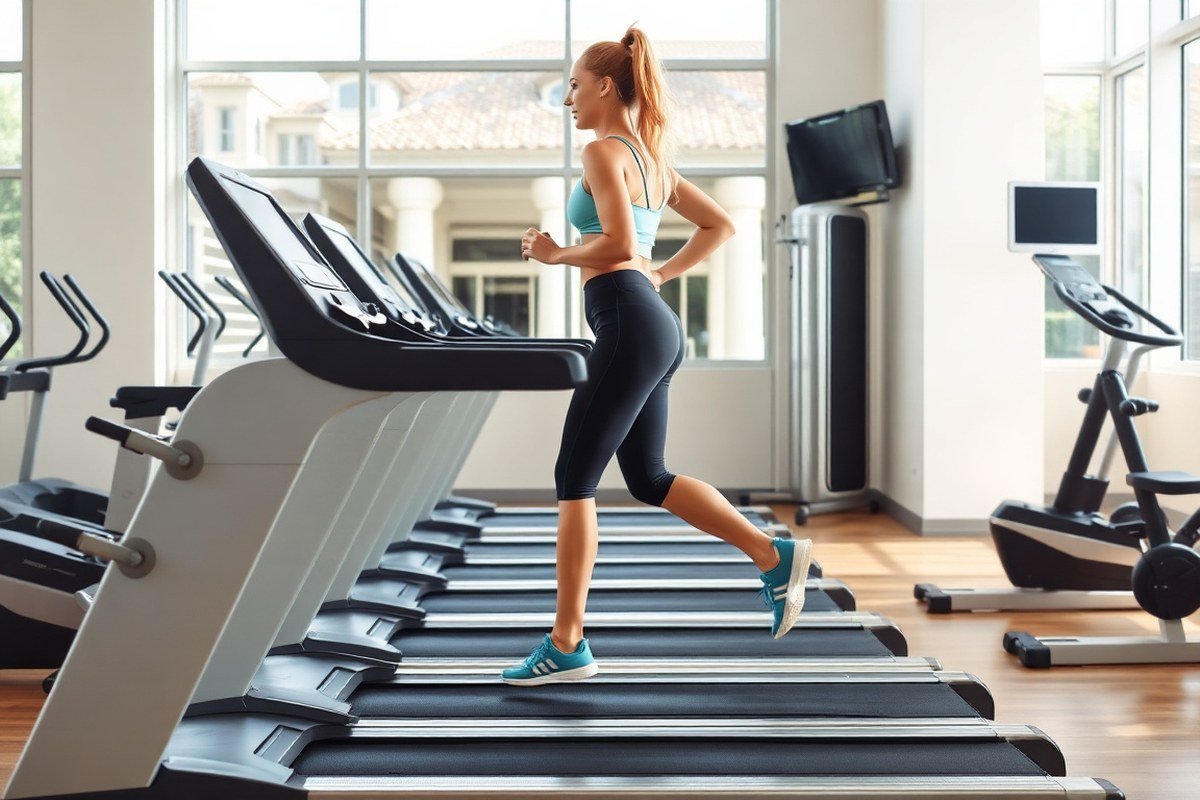
Can a Treadmill Burn Belly Fat? What Actually Works for Fat Loss
Can a treadmill burn belly fat? Yes, it can, as long as you use it consistently at a brisk pace with some incline, about four to five days per week. Regular treadmill exercise raises your heart rate and burns calories, which contributes to reducing belly fat over time. Starting with moderate sessions and building consistency is key to seeing results.
Key Takeaways
- Walk briskly on a treadmill for 30 to 45 minutes most days to support belly fat loss.
- Add incline walking at about a 10% grade to increase calorie burn significantly.
- Aim for 200 to 300 minutes of treadmill exercise weekly for more substantial fat loss.
- Incorporate HIIT treadmill workouts twice a week to burn up to 30% more calories.
- Consistent daily sessions of 20 to 30 minutes can still lead to gradual, meaningful fat loss.
- Pair treadmill workouts with a reasonable diet to maximize belly fat reduction.
Does Using a Treadmill Actually Burn Belly Fat?
Using a treadmill can effectively help you burn belly fat by increasing your overall calorie burn, but it does not specifically target fat in your stomach area. Fat loss happens when your body uses more calories than it consumes, leading to a calorie deficit. When you walk, jog, or run on a treadmill, you raise your heart rate and boost metabolism, which promotes fat loss throughout your entire body, including the belly. However, the body decides where to reduce fat based on genetics and other factors, not the location of your treadmill workouts.
The idea of spot reduction, or losing fat from just one part of your body like the belly, is a myth. No treadmill workout, or any exercise, can melt fat exclusively from your midsection. Instead, as you burn calories through treadmill exercise combined with a healthy diet, your overall fat decreases, and that reduction will eventually show in your belly area. For example, walking briskly on a treadmill for 30 minutes daily can contribute to overall fat loss, which includes reducing belly fat.
Effective belly fat loss takes consistent commitment to both exercise and nutrition. Treadmill workouts improve cardiovascular fitness and burn calories, creating the conditions your body needs to use stored fat. Maintaining a calorie deficit, eating fewer calories than you burn, ensures the treadmill sessions lead to fat loss. Over time, as body fat decreases, you’ll notice your waist size shrinking as well. Avoid expecting quick results from treadmill use alone; combining steady treadmill exercise with good eating habits produces the best fat loss outcomes for your belly.
How Long and How Often Should You Use a Treadmill for Fat Loss?
To effectively burn belly fat using a treadmill, aim for a total of 200 to 300 minutes of exercise per week. This range helps create the calorie deficit needed for fat loss. Spread your workouts across 4 to 5 days weekly to maintain consistency without overtraining. Sessions lasting between 30 to 45 minutes provide a good balance between intensity and recovery. Consistent effort over several weeks matters more than brief, sporadic bursts of activity.
Incorporating different workout styles can accelerate belly fat loss. For instance, adding 2 to 3 high-intensity interval training (HIIT) sessions per week on the treadmill boosts fat burning more than only walking or jogging at a steady pace. The rest of your sessions can focus on steady, brisk walking with occasional incline to increase calorie burn. Keep in mind, treadmill exercise supports belly fat loss best when combined with dietary changes to create a calorie deficit.
- Exercise on the treadmill 4-5 times per week
- Include 2-3 HIIT sessions weekly for faster fat loss
- Each session should last 30 to 45 minutes
- Use brisk walking pace with incline variations
- Maintain a calorie deficit through smart eating habits
Expect noticeable changes in belly fat after Several weeks to a few months of consistent treadmill exercise and healthy eating. Results vary based on factors like starting fitness level, diet quality, and workout intensity. Avoid expecting fast, dramatic belly fat loss solely from treadmill use without an overall fat loss plan. A steady, realistic timeline helps prevent frustration and keeps motivation high. Regular treadmill workouts improve insulin sensitivity and overall health while supporting sustainable fat loss around the midsection.
Which Treadmill Workouts Burn the Most Belly Fat?
Treadmill workouts that burn the most belly fat emphasize calorie burn through intensity and duration. Walking increases energy expenditure and supports fat loss but is slower compared to jogging or running. Jogging raises your heart rate more, increasing calorie burn. Adding incline to walking ramps up the challenge by engaging more muscles, which helps burn additional calories and fat over time.
High-intensity interval training (HIIT) on a treadmill alternates fast-paced running or sprinting with recovery periods. This type burns the most calories per minute and improves metabolism, speeding up fat loss. The National Institutes of Health (NIH) states HIIT is more efficient than steady-state cardio for weight loss. Setting your treadmill with a 1, 3% incline during HIIT can replicate outdoor running conditions and further increase calorie burn.
| Workout Type | Duration | Intensity | Estimated Calories Burned* |
|---|---|---|---|
| Walking (3.5 mph) | 30 min | Low | 120, 150 |
| Incline Walking (5% incline, 3.5 mph) | 30 min | Moderate | 180, 210 |
| Jogging (5, 6 mph) | 30 min | Moderate-High | 270, 330 |
| HIIT (Sprint/Walk Intervals) | 20 min | High | 250, 350 |
*Calories burned depend on weight, age, and fitness level. Choosing between walking, jogging, incline walking, or HIIT depends on your fitness level and goals. Walking is easier to start but burns fewer calories. Incline walking adds muscle activation without high impact, which suits beginners or those with joint concerns. Jogging or running raises calorie burn faster but has higher injury risk. HIIT involves bursts of sprinting and rest, which maximizes fat loss in less time but requires good recovery and effort. Adjust your treadmill speed and incline according to your comfort and progress gradually.
How to Design an Effective Treadmill Fat Loss Workout Routine
Creating an effective treadmill workout for fat loss requires carefully balancing intensity and duration while adjusting speed and incline to keep your metabolism active and prevent plateaus. Varying your routine challenges your body, promotes better calorie burn, and targets belly fat more efficiently. Starting with a warm-up, then alternating between intervals of higher intensity and recovery, followed by a cooldown, offers a structured approach suited for both beginners and intermediate users. Follow these steps to structure your treadmill fat loss workout:
- Warm up by walking at 2.5 to 3.5 mph on a 0% incline for 5 minutes to gradually increase heart rate and loosen muscles.
- Increase speed to a brisk walk or light jog (3.5 to 5 mph) for 2 minutes, then raise incline to 3-5% to boost intensity and engage more muscle groups.
- Perform speed intervals by sprinting or running at 6 to 7 mph for 30 seconds, followed by 90 seconds of walking at 3 mph and 0% incline to recover. Repeat this cycle 5 times for beginners, or 8 times for intermediate users.
- Incorporate incline intervals by walking at 3 to 4 mph with incline set at 6-8% for 3 minutes, then reduce incline to 0% and slow down to 2.5 mph for 2 minutes. Repeat 3 cycles.
- Cool down by walking at 2 to 3 mph and 0% incline for 5 minutes to lower heart rate gradually.
- Adjust duration and intensity as your fitness improves, increasing interval speed, incline level, or repetitions to continue challenging your body and avoid plateaus.
- Vary your workouts weekly by switching interval lengths, speeds, or incline patterns to maintain fat-burning efficiency and cardiovascular gains.
This routine generally takes about 30 to 40 minutes and uses treadmill controls to optimize fat burning by keeping your heart rate in the moderate to high zone. Monitor how your body responds and ensure your nutrition supports your goals for best results. Over time, expect improved stamina, higher calorie burn during workouts, and gradual reductions in belly fat.
What Other Factors Affect Belly Fat Loss with Treadmill Use?
Burning belly fat with treadmill workouts involves more than just exercise. Nutrition plays a key part. You need to create a caloric deficit by consuming fewer calories than you burn. Combining your treadmill sessions with a balanced diet that includes enough protein helps preserve muscle mass and speeds up fat loss. For example, aiming for a modest calorie deficit of 300 to 500 calories daily while eating about 0.7 to 1 gram of protein per pound of body weight supports fat burning without losing muscle.
Genetics and metabolism play a role in belly fat loss. Some individuals naturally burn calories at a higher rate or accumulate less abdominal fat because of their genetic makeup. Although your genes establish a starting point, sticking to regular treadmill sessions and incorporating strength training can influence your progress. Engaging in two to three strength workouts weekly, emphasizing compound exercises such as squats, deadlifts, and planks, helps maintain muscle mass and increases resting metabolic rate, which supports belly fat reduction.
Sleep and stress management are often overlooked but important. Poor sleep affects hormones that regulate hunger and fat storage. Aim for 7 to 9 hours of restful sleep nightly to optimize fat loss. Creating a bedtime routine, limiting screen time before sleep, and keeping your bedroom cool (around 65°F) helps quality shut-eye. Stress triggers cortisol release, which can increase belly fat. Managing stress through relaxation techniques or light activity complements your treadmill efforts.
For best results, mix treadmill workouts with strength training and follow a calorie-controlled, protein-rich diet. Adjust your nutrition based on your energy needs; if you’re doing high-intensity treadmill sessions, eat slightly more to fuel recovery. Staying hydrated and tracking your progress helps you stay on a steady path. This multi-pronged approach creates the Ideal environment for belly fat reduction beyond treadmill use alone.
Common Mistakes That Limit Belly Fat Loss on a Treadmill
Many people expect quick belly fat loss using a treadmill, but some common mistakes limit results. Overtraining or exercising too long at low intensity can cause burnout without boosting fat burn. Your body needs a balance of challenging intensity and recovery time to burn fat efficiently.
Another frequent error is underestimating exercise intensity. Walking too slowly or skipping intervals keeps calorie burn low, which slows fat loss. Incorporating moderate to high-intensity bursts increases metabolism and targets fat stores more effectively.
Diet often gets overlooked, yet poor eating habits can negate treadmill benefits. Consuming more calories than you burn will stall belly fat reduction, regardless of treadmill use. A sensible, calorie-controlled diet supports your workouts and weight loss goals.
- Overtraining: Limit treadmill sessions to 30-45 minutes, 4-5 times per week with rest days.
- Low intensity: Add intervals raising speed or incline for 1-2 minutes, then recover.
- Poor diet: Track calories to ensure a deficit of 300-500 daily for steady fat loss.
- Ignoring progress signs: Plateaus lasting more than 2 weeks suggest it’s time to adjust workouts or diet.
- Skipping variety: Change routines weekly to avoid boredom and fitness plateaus.
- Lack of consistency: Stick to a regular treadmill schedule, even if short on time.
Watch for signs your routine isn’t working: stalled weight loss, lack of energy, or diminishing motivation. Avoiding these mistakes and making targeted changes can improve your fat loss outcomes and keep you motivated on your treadmill journey.
Safety Tips and Injury Prevention for Frequent Treadmill Users
Frequent treadmill use can increase the risk of overuse injuries and joint strain, especially if your form or pace isn’t ideal. Protecting your muscles and joints starts with a proper warm-up before each session. Spend 5 to 10 minutes walking at a slow pace to raise your heart rate gradually and prepare your body for exercise. Using a treadmill with shock absorption technology, like Cushion Flex Whisper Deck, can reduce impact on your knees and ankles by about 40%, helping you train more often without discomfort.
Stretching after your workout reduces muscle tightness and lowers injury risk. Prioritize stretches for your calves, hamstrings, and lower back. Maintaining correct posture on the treadmill is important; keep your shoulders back, engage your core, and avoid holding onto the handrails. Walking or running with a slight forward lean from the ankles prevents unnecessary pressure on your joints.
- Always check the treadmill for loose belts or malfunctioning parts before use
- Wear supportive running shoes with good cushioning
- Keep the treadmill area clear to avoid tripping hazards
- Stop immediately if you feel sharp pain, dizziness, or chest discomfort
- Limit sessions to under 60 minutes to reduce strain, unless you are conditioned for longer workouts
- Hydrate before, during, and after exercise to maintain muscle function
- Schedule regular rest days to let your muscles recover
Consult a healthcare provider or a certified fitness professional if you experience persistent joint pain, unusual swelling, or if you have preexisting conditions like arthritis or heart issues. They can help tailor your treadmill plan to your needs and recommend modifications that support safe belly fat loss without risking injury.
How to Track Progress and Know Your Treadmill Workouts Are Working
Monitoring belly fat reduction requires more than just stepping on the scale. Measuring your waist provides a more accurate view of fat loss around your abdomen, as muscle growth or water retention can mask fat loss on a scale. Use a flexible tape and wrap it around the slimmest part of your bare stomach, typically just above your navel. Measure this once weekly at the same time, preferably in the morning before breakfast. A steady drop across a few weeks shows success.
Fitness trackers or smartwatches that monitor heart rate and calories burned can help confirm that your treadmill workouts are effective. When your heart rate stays within 50 to 85% of your maximum for 20 to 30 minutes, you’re in the fat-burning zone, improving your chance of reducing belly fat. Many devices also track your distance, pace, and workout frequency to give you a complete overview of your activity level.
Non-scale indicators also matter. Notice how your clothes fit around the waistline over time. This subtle shift often shows up before the scale moves. Take photos once every two weeks in similar clothing and lighting to visually document changes. Checking your energy levels and endurance on the treadmill can also show improved fitness, which supports ongoing fat loss.
Expect to see measurable changes in waist circumference and fitness after about 4 to 6 weeks of consistent treadmill workouts combined with good nutrition. Avoid daily measurements; too much fluctuation happens due to factors like water retention. Tracking over weeks instead keeps progress realistic and motivating. Sticking to a routine for at least 3 months is necessary for sustained belly fat reduction.
Your First 4 Weeks: A Quick-Start Plan to Burn Belly Fat on a Treadmill
Start your treadmill workout with clear steps to help you burn belly fat effectively. Track progress to stay motivated.
- Day 1: Begin with a 20-minute walk at a moderate pace to assess your comfort and endurance. Notice if you can talk comfortably without catching your breath.
- Week 1: Add intervals by alternating 1-minute jogging with 2 minutes walking for 20 minutes total. See if you feel a slight challenge but remain able to recover during walking.
- Week 2: Increase workout time to 30 minutes and include 2-minute jog intervals with 1-minute walks. Track if your stamina improves and your resting heart rate decreases.
- Week 3: Incorporate incline walking for 10 minutes at 3% grade after your intervals. Check for increased exertion felt mainly in your legs and core.
- Week 4: Try a 40-minute workout with 3-minute jogging intervals and 1-minute walking, plus 5 minutes of incline walking at 4%. Notice if you can sustain this with steady breathing and feel more energetic.
- After 4 weeks: Evaluate belly measurements or how your clothes fit to detect fat loss. If you see changes, continue to progress intensity or duration gradually.
Frequently Asked Questions
Can Using a Treadmill Alone Reduce Belly Fat?
No, treadmills help burn overall fat, not specifically belly fat; combining with diet and strength training is key.
Does Treadmill Walking Help Burn Belly Fat Effectively?
Yes, walking boosts calorie burn for fat loss but must be part of a consistent routine and healthy eating.
How Does Treadmill Exercise Compare to Strength Training for Belly Fat Loss?
Treadmill workouts burn calories, but combining them with strength training builds muscle and improves fat loss results.
Can Treadmill HIIT Workouts Accelerate Belly Fat Loss?
Yes, HIIT increases calorie burn after exercise, aiding overall fat loss including belly fat when combined with a good diet.
Is It Possible to Burn Belly Fat If I Only Use a Treadmill for Short Sessions?
Short sessions help, but sustained and frequent exercise paired with diet changes produces better belly fat reduction.
Key Points to Remember
Using a treadmill consistently can contribute to reducing belly fat by burning calories and improving metabolism. Be patient with your progress and commit to regular treadmill sessions combined with healthy eating habits. Start today by setting a simple goal, such as walking or doing intervals for 20 minutes, and build up from there steadily.