

Can Gym Membership Be Paid with HSA? What Actually Works with IRS Rules
Can gym membership be paid with HSA funds? Generally, an ordinary gym membership is not eligible for HSA payments because it is considered a non-qualified medical expense by the IRS. However, if you have a doctor’s letter of medical necessity specifying the gym membership to treat a diagnosed condition, you may use your HSA funds for it without penalty. Starting there, you need documented medical justification to make gym fees qualify under HSA rules.
Key Takeaways
- An ordinary gym membership is not an eligible medical expense for HSA payments in 2026.
- A doctor’s letter of medical necessity can make certain gym memberships eligible for HSA funding.
- The medical necessity letter must be current, usually valid for 12 months from the issue date.
- Paying for gym memberships without eligibility leads to income tax plus a 20% penalty if under age 65.
- You can deduct qualified medical expenses paid out-of-pocket exceeding 7.5% of your Adjusted Gross Income.
- HSA contributions through payroll deduction also save you 7.65% in FICA taxes.
Can You Use HSA Funds to Pay for Gym Memberships?
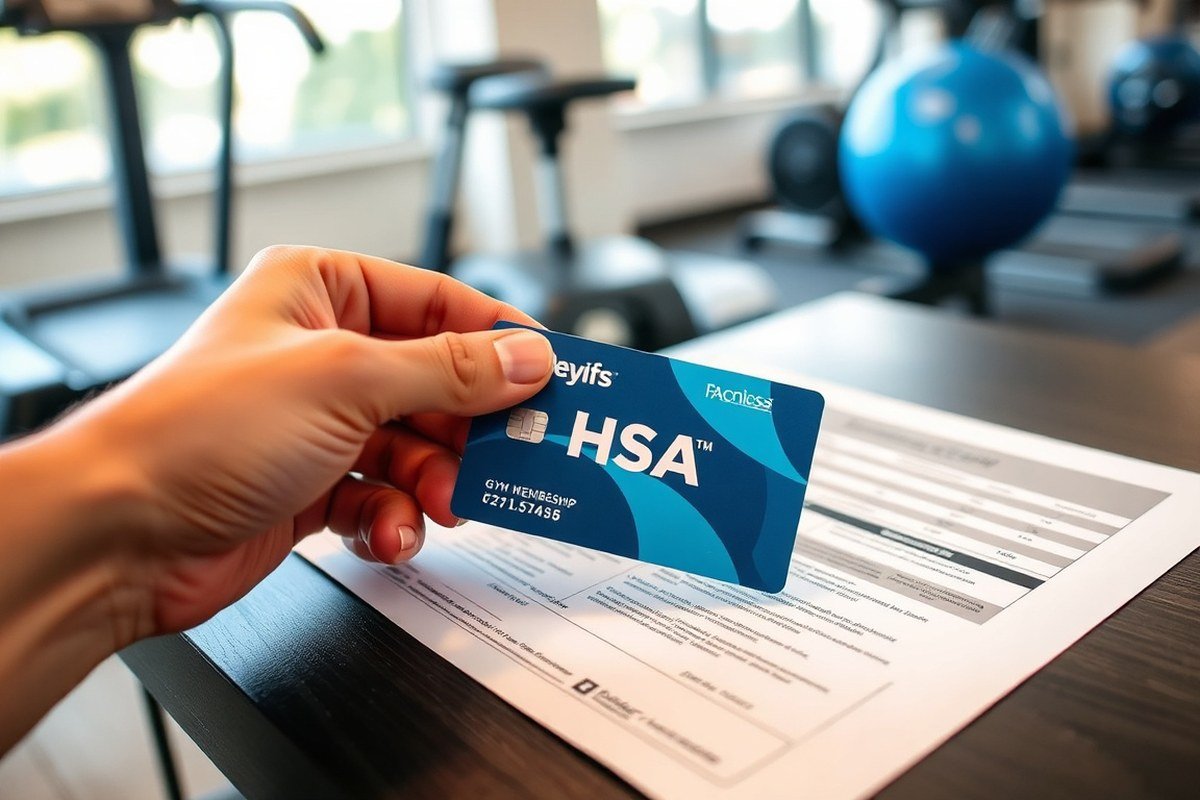
The IRS does not generally recognize gym memberships as qualified medical expenses. Usually, gym costs are seen as general wellness costs, so you can’t use your Health Savings Account (HSA) to cover them unless certain exceptions apply. Medical expenses must involve diagnosing, treating, or preventing illness according to IRS definitions. Regular gym fees typically don’t qualify under these rules.
Starting in 2024, the IRS has broadened the list of eligible medical expenses, allowing gym memberships to qualify if they are prescribed explicitly by a licensed healthcare provider for treating or preventing a medical condition. To use HSA funds for a gym membership, you must have documentation, such as a Letter of Medical Necessity, linking the membership directly to a medical need. Without it, using HSA money on gym fees might trigger income tax and a 20% penalty if you’re under age 65.
Before paying with your HSA, confirm with your plan administrator whether your specific gym membership qualifies under their rules and the updated IRS guidelines. Some plans may have additional requirements or restrictions. For memberships not qualifying as medical expenses, other fitness-related costs or alternative wellness strategies might still be covered by your HSA depending on the specifics.
Using HSA funds for eligible gym memberships can save you money by avoiding income tax on those contributions. However, ordinary gym memberships remain ineligible unless tied to a documented medical condition. It’s important to verify eligibility carefully to avoid unexpected tax consequences and penalties.
When Does a Gym Membership Qualify as a Medical Expense?

A gym membership can qualify as a medical expense for your Health Savings Account only if it is part of a prescribed treatment for a specific medical condition. Conditions like obesity, heart disease, diabetes, or recovery from surgery commonly meet the criteria when a licensed healthcare provider identifies regular exercise as medically necessary. The key to eligibility is a Letter of Medical Necessity (LMN) from your doctor that connects your gym membership directly to managing or treating your diagnosis.
The medical necessity letter must include several essential elements for your HSA administrator to approve the expense. This letter should clearly state your diagnosed condition, explain why a gym membership is needed as part of your treatment plan, and specify how the exercise will benefit your health. Without this documentation, gym memberships generally do not qualify, since routine fitness costs count as personal health improvements rather than medical care.
- Diagnosed conditions include obesity, heart disease, diabetes, hypertension, or post-surgical recovery
- The letter must be signed by a licensed healthcare professional
- It should describe how gym workouts support your treatment or prevention of the condition
- Reference to the specific diagnosis and the prescribed exercise regimen is critical
- The letter must be current and correspond to the membership period you wish to expense
- Supplemental documentation or notes about your treatment progress help but are not always required
Before submitting for reimbursement, you typically pay the gym fees upfront, then provide your HSA or FSA administrator with the Letter of Medical Necessity and a receipt. This ensures the expense is linked to your doctor’s prescription, meeting the IRS requirements noted in Pub 502. Choosing a gym that accepts such documentation may also streamline approvals, but the letter itself is the main deciding factor for coverage eligibility.
How to Get and Use a Letter of Medical Necessity for Gym Memberships

A Letter of Medical Necessity (LMN) from your physician is required to use your HSA funds on gym memberships. This document verifies that the gym membership is prescribed as part of treatment for a diagnosed medical issue. Typically, the letter stays valid for about a year, but confirm the timeframe with your HSA administrator. General advice such as “exercise more” does not meet the requirements. After obtaining the LMN, submit it along with the payment receipt to your HSA administrator to receive reimbursement. Some administrators may ask for the LMN before approving payments, so check their rules ahead of time.
- Request an appointment with your healthcare provider. Explain that you need a Letter of Medical Necessity to cover a gym membership through your HSA.
- Use this script with your doctor: “I am considering using my HSA to pay for a gym membership as part of managing my [medical condition]. Could you provide a Letter of Medical Necessity that specifies exercise as part of my treatment plan?” This helps ensure clarity and shows you understand the criteria.
- Confirm that the LMN includes specific details, such as your diagnosis, why exercise is medically necessary, and the recommended duration of the gym membership.
- Submit the LMN to your HSA administrator before paying. Ask them to confirm in writing that your gym membership meets their requirements.
- Pay for your gym membership out of pocket unless your HSA administrator has already approved direct payment options.
- Collect your payment receipt and membership documentation to include with your reimbursement claim.
- Send your HSA administrator the LMN, proof of payment, and gym invoice. Keep copies of everything for your records.
- Follow up with your HSA administrator if your claim requires additional documentation or if reimbursement is delayed.
Which Gym Memberships and Fitness Programs Are Commonly Eligible?
Most gym memberships, including those at commercial chains, yoga or Pilates studios, CrossFit boxes, and organizations like the YMCA, are generally considered expenses for general fitness and do not qualify for payment with HSA funds. The IRS classifies these memberships as general wellness costs, which are excluded from typical HSA eligibility. The key to using your HSA for such memberships lies in whether a Healthcare provider prescribes the membership to treat a specific medical condition. Without this documentation, these fees are not eligible.
Some specialized fitness programs or therapeutic exercise sessions within larger gyms may be eligible if they’re recommended by a doctor to address a health problem. Using your HSA this way requires keeping a Letter of medical necessity from your healthcare provider. Vendors like Truemed facilitate access to HSA or FSA funds for fitness memberships when there’s a qualifying medical prescription.
| Gym Type or Program | Typical HSA Eligibility | Notes |
|---|---|---|
| Commercial Chain Gyms (e.g., Planet Fitness, LA Fitness) | Usually not eligible | General fitness memberships excluded; need doctor’s prescription for medical condition |
| YMCA Memberships | Usually not eligible | Classified as general wellness; medical necessity letter required |
| Yoga or Pilates Studios | Usually not eligible | General fitness excluded; medical prescription needed for eligibility |
| CrossFit Boxes | Usually not eligible | Memberships excluded unless tied to a specific medical program |
| Specialized Therapeutic Fitness Programs | Possible with medical prescription | Must be prescribed for treatment of a health condition; documentation essential |
Choosing a gym or fitness program that offers direct payment options for HSAs or FSAs can simplify using your funds. Many facilities do not accept these payments directly, meaning you might pay out-of-pocket and then submit claims for reimbursement. Confirm with your gym if they partner with HSA/FSA administrators or consider services like Truemed to connect you with eligible providers. Retaining all documentation, especially medical prescriptions, is important for approval and tax purposes.
Tax Implications of Using HSA Funds for Gym Memberships
Using HSA funds for gym memberships that are not qualified medical expenses leads to income tax plus a 20% penalty on the amount withdrawn. This only changes if you are over 65 or disabled, in which case the 20% penalty does not apply. For example, if you withdraw $500 for a non-qualified gym membership and your combined federal and state income tax rate is 30%, you will owe $150 in taxes plus a $100 penalty, totaling $250 in additional costs. This reduces the benefit of using HSA funds inappropriately.
Paying an eligible gym membership with pretax HSA funds saves money by allowing you to use dollars before income tax. At a near 30% tax bracket, $300 spent with HSA funds actually costs you only about $210 after taxes, a significant saving compared to paying out-of-pocket with taxed income. If you pay out-of-pocket for a qualified gym membership or fitness program, you cannot deduct those expenses unless you itemize medical expenses and they exceed 7.5% of your adjusted gross income, which is usually difficult to reach.
Keeping detailed records is key to avoiding IRS issues with gym membership expenses. Retain receipts, statements, and any letters of medical necessity if applicable. When reimbursing yourself from HSA funds, document the eligible expense date, amount, and purpose clearly. Contact your HSA provider for specific rules and forms. Proper records help demonstrate that the expense meets IRS requirements and protect you from audits or penalties.
How to Pay or Get Reimbursed for Gym Fees Using Your HSA
You can use your Health Savings Account (HSA) debit card to pay a gym directly if your membership qualifies as a medical expense, but not all gym fees are eligible. Many people pay out-of-pocket first and then submit a reimbursement claim to their HSA administrator. Proper Documentation is essential for reimbursement approval, usually including receipts and, when required, a Letter of Medical Necessity (LMN) from your doctor.
When submitting a claim, keep detailed records such as invoices, payment confirmations, and a copy of your LMN, if applicable. Without these, your gym membership claim will likely be denied. If that happens, you should appeal the decision by providing any missing documentation and a clear explanation of the medical need. The appeal can be a written email or letter to your HSA provider.
- Confirm eligibility: Verify with your HSA administrator whether your gym membership qualifies as a medical expense.
- Pay the gym: Use your HSA debit card to pay directly or pay out-of-pocket to keep accurate expense records.
- Gather documentation: Save your receipts and any supporting documents such as a Letter of Medical Necessity.
- Submit a reimbursement claim: Provide your HSA administrator with the receipt and any required medical documentation.
- Track your claim: Check its status and keep copies of all correspondence with your HSA provider.
- Appeal if denied: Use this script when appealing:
“Dear [HSA Administrator], I am writing to request a review of my recent gym membership claim denial. My physician provided a Letter of Medical Necessity recommending this membership due to [medical condition]. Attached are copies of my receipt and the letter. Please reconsider my claim based on this documentation. Thank you for your attention to this matter.”
- Keep ongoing records: Maintain files of all payments and approvals to simplify future claims and audits.
Avoiding Mistakes When Using HSA for Gym Memberships
Many people try to pay for gym memberships with HSA funds without meeting the strict criteria, which can lead to tax penalties. The most common mistake is using HSA money for a membership without a doctor’s prescription documenting it as medically necessary for a specific condition. Another error is failing to keep proper proof of the prescription and payment, which makes it hard to justify the expense during an IRS audit.
To avoid problems, always confirm your gym membership meets the eligibility requirement: it must be part of a treatment plan prescribed by a healthcare provider. Use a simple decision rule: If you don’t have a written recommendation from your doctor specifying the gym membership for therapy of a condition, do not pay with HSA money. Keep all documentation organized, including the letter of medical necessity, invoices, and payment receipts.
- Don’t pay with HSA unless you have a doctor’s prescription linking the gym membership to a medical condition
- Keep the letter of medical necessity on file with your receipts in case of an IRS audit
- Use your HSA debit card only after confirming eligibility to avoid non-qualified expenses
- Track expenses carefully to separate non-qualified gym costs from eligible treatments
- You should withdraw the amount paid for a non-qualified expense plus the tax penalty from your HSA to correct the mistake.
- Consult your HSA administrator for guidance before submitting reimbursement claims
Accidentally using HSA funds for a non-qualified gym membership can trigger taxes and a 20% penalty on the amount spent. In that case, withdraw the money from your HSA and report it as income to the IRS. Staying proactive by documenting everything and following your doctor’s advice saves time, money, and hassle. This attention to detail ensures your HSA works correctly and protects you from IRS penalties.
Step-by-Step Action Plan to Use HSA Funds for Your Gym Membership
Start by confirming eligibility and follow a clear process to use your HSA funds properly. Use these steps to keep your payments compliant and avoid tax issues.
- Before you join: Check if your gym or fitness program qualifies as a medical expense by reviewing IRS guidelines or asking your HSA administrator. Look for programs designed for specific medical conditions.
- Before paying: Obtain a letter of medical necessity from your healthcare provider explaining how the gym membership supports your treatment. Confirm that your provider’s statement meets your HSA administrator’s requirements.
- When enrolling: Keep a copy of your gym membership contract and the medical necessity letter. These documents help prove your payments qualify as medical expenses if audited.
- At payment time: Use your HSA debit card or submit a reimbursement request with receipts and your medical necessity letter. Verify the payment posts to your HSA account without issues.
- Quarterly: Review your HSA statements and expenses to ensure all gym-related payments link to qualifying medical treatment. This helps avoid unexpected taxes or penalties.
- Before tax season: Gather your documentation, including receipts and letters of medical necessity, to support your gym membership deductions or HSA withdrawals. This makes filing smoother and defends against audits.
Frequently Asked Questions
Can I Use My HSA to Pay for a Gym Membership Without a Doctor’s Note?
No, a doctor’s letter of medical necessity is required to pay for a gym membership with HSA funds. Casual advice to “get more exercise” is not enough to qualify the expense.
What Happens If I Pay for a Gym Membership with My HSA but Don’t Have Proper Documentation?
You may face tax penalties if you can’t prove the gym membership is a qualified medical expense. Always keep a doctor’s letter to avoid IRS issues.
Are Virtual or Online Fitness Programs Eligible for HSA Payments?
Some virtual fitness programs may qualify if prescribed by a doctor with medical necessity documentation. Check with your HSA administrator before paying.
How Does the IRS Determine If a Gym Membership Qualifies as an HSA Expense?
The IRS requires a doctor’s recommendation and clear medical necessity. This ensures the expense is to treat or prevent a specific medical condition.
Can I Use My HSA for Other Wellness Expenses Besides Gym Memberships?
Yes, items like fitness trackers and physical therapy often qualify if related to a medical condition, but always check eligibility before spending.
The Bottom Line
You can use HSA funds for gym memberships only when they directly support treatment of a medical condition and you have proper documentation like a letter of medical necessity. This allows you to use your savings for fitness costs without tax penalties. Contact your healthcare provider today to discuss if a gym membership fits your treatment plan and start the paperwork to access your HSA funds confidently.