Can a Vibration Plate Help with Back Pain? What Actually Works and How to Use It
Can a vibration plate help with back pain? Yes, vibration plates can reduce back pain by improving muscle strength and blood circulation in the affected area. Using a vibration plate two to three times a week for 15 to 30 minutes may relieve discomfort, especially if your pain is linked to muscle stiffness or poor circulation.
Key Takeaways
- Use a vibration plate regularly, targeting sessions of 15 to 30 minutes, two to three times every week for optimal benefits.
- Focus on gentle exercises targeting your lower back and surrounding muscles to support spinal stability.
- Whole-body vibration has been shown to significantly reduce pain intensity in chronic low back pain sufferers.
- Local vibration therapy may offer even stronger pain relief effects than whole-body vibration.
- Combining vibration plate use with stretches like the Achilles tendon stretch can improve therapeutic benefits.
- Choose vibration plates that allow linear or vertical movement for effective muscle engagement near the hips and lower back.
Can Vibration Plates Effectively Reduce Back Pain?
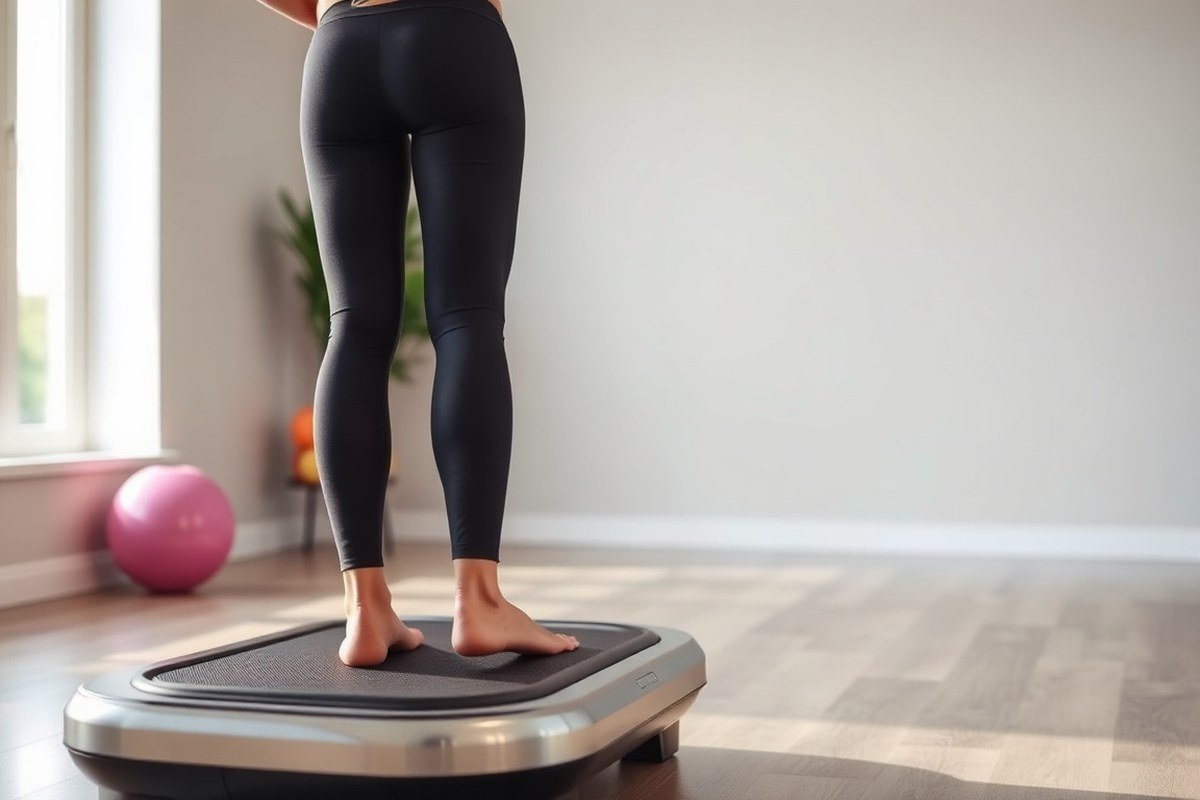
Vibration plates can effectively reduce back pain, especially for chronic, non-specific low back pain often linked to a sedentary lifestyle. Research shows that short, gentle sessions, about 15 to 30 minutes, two to three times per week, help lessen stiffness and improve mobility. The oscillations activate paraspinal muscles and improve blood flow in the lumbar region, easing discomfort without stressing joints. Devices like Power Plate use PrecisionWave technology to tailor vibration frequencies and amplitudes, increasing comfort and targeting relief.
Scientific evidence supports the use of vibration plates for general back pain. Studies suggest routine use builds muscular support around the spine and improve flexibility. This can reduce injury risk and the persistent aches caused by muscle weakness or tightness. The low-impact nature of vibration plates also makes them suitable for people who may struggle with conventional exercise due to pain.
The evidence for vibration plates helping with acute or injury-related back pain is limited. Conditions such as herniated discs, spinal cord injuries, or pain following trauma like falls or accidents do not respond well to vibration therapy according to existing research. In these cases, vibration plates should not replace professional medical diagnosis or treatment.
For managing chronic back pain, vibration plates work best as part of a broader routine including movement, posture exercises, and strengthening. The key is consistency and careful use, such as adopting stance adjustments to reduce lumbar pressure and following recommended frequency settings. This approach helps your body support itself internally and may gently ease pain to improve daily function over time.
How Does Vibration Therapy Help Muscles and Circulation in the Back?
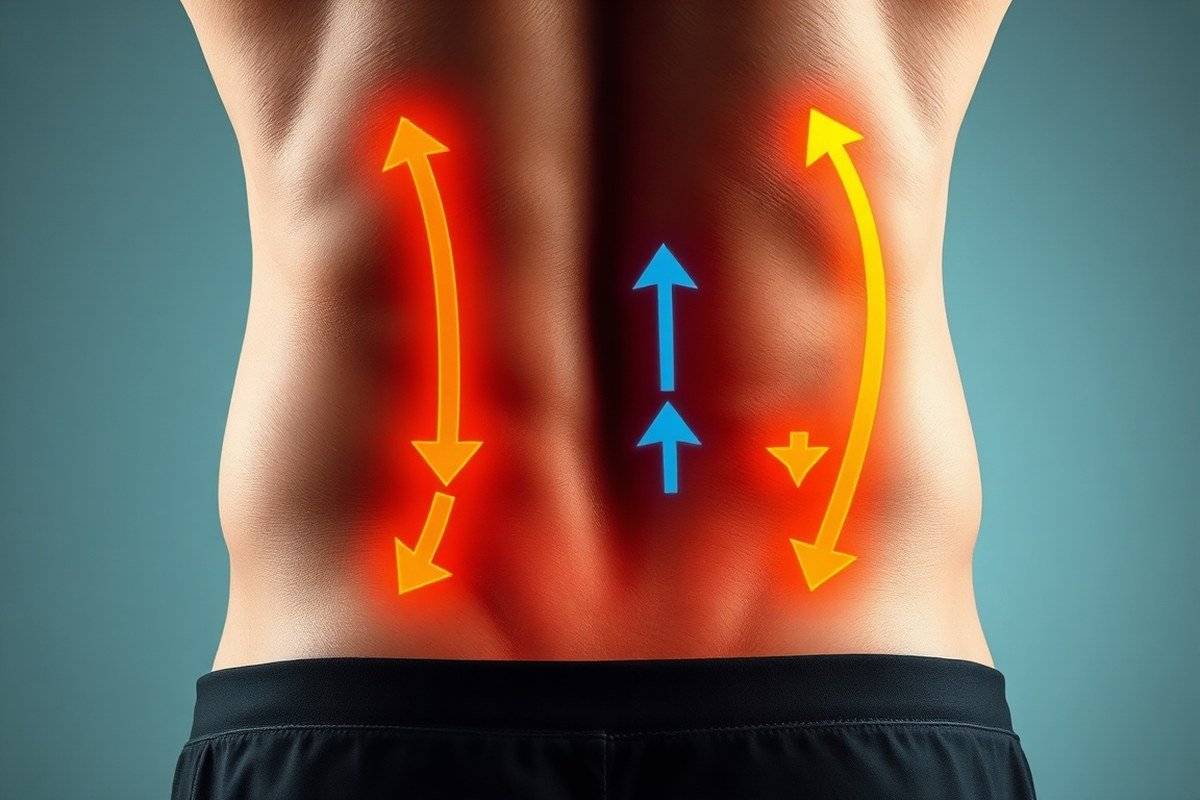
Vibration therapy helps muscles and circulation in the back by creating rapid, gentle oscillations that stimulate blood flow and muscle activation. The oscillations from a vibration plate promote increased circulation to the spinal musculature and surrounding soft tissues in the lower back, which delivers more oxygen and nutrients while aiding the removal of waste products from muscles under tension. This improve circulation reduces stiffness and supports muscle relaxation.
The mechanical vibrations trigger involuntary muscle contractions known as stretch reflexes, which activate deep stabilizing muscles around the lumbar spine. These muscles are hard to engage through traditional exercises, especially if you have pain that limits movement. This stimulation can gradually improve muscle strength and endurance, helping to support spinal alignment and reduce strain on painful areas.
This effect is particularly useful for back pain caused by muscle tension, poor posture, or mild disc-related issues. By activating core muscles and increasing flexibility, vibration therapy encourages better posture, which may relieve pressure on the spine and nerves. For upper back pain, relaxing tight shoulder and thoracic muscles through vibration also improves circulation and posture.
Using the vibration plate 2 to 3 times per week for sessions of about 10 to 15 minutes offers time for muscles to recover and strengthen without overloading sensitive tissues. Focus on movements that engage the core and promote blood flow, such as standing or gentle squats on the plate. However, back pain with inflammatory conditions might require a more cautious approach, as the mechanical stimulation could worsen inflammation.
How to Safely Start Using a Vibration Plate for Back Pain Relief
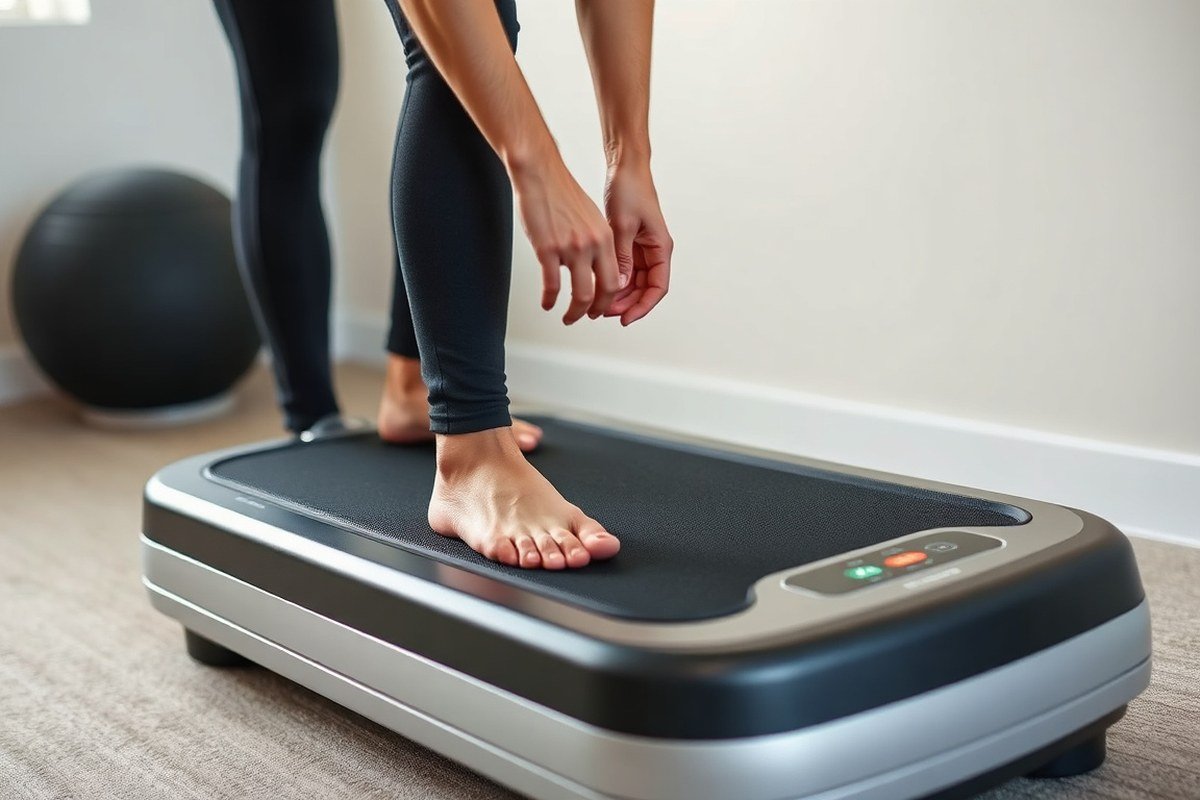
Start using a vibration plate for back pain relief by choosing a model with adjustable frequency and intensity settings. Set the frequency between 20 and 30 Hz and the amplitude to low, around 1 to 2 millimeters, to avoid overloading your spine. Limit sessions to about 5 minutes initially, two to three times a week, then gradually increase duration up to 10, 15 minutes as your body adapts without discomfort.
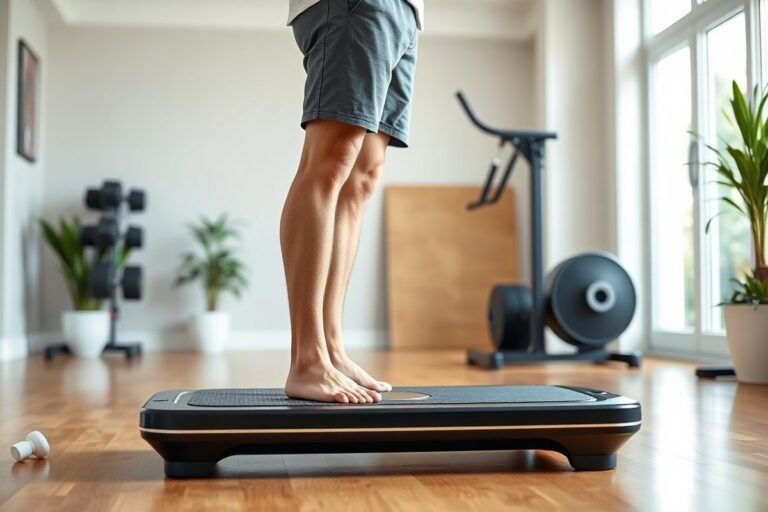
Proper setup matters to keep your safety a priority. Place the vibration plate on a flat, stable surface away from furniture or objects that might cause imbalance. Wear supportive shoes and stand with knees slightly bent to reduce spine compression. Use light, controlled movements or static postures, like pelvic tilts, to maximize benefits while minimizing risk.
- Check your posture before each session to ensure proper alignment
- Start with low intensity and increase only if no pain or discomfort appears
- Use a timer to avoid overextending your session length
- Keep sessions brief, especially during the first 1, 2 weeks of use
- Stop immediately if you feel sharp or radiating pain
- Consult a healthcare provider if you have recent injuries or severe symptoms
Consistency is key; regular use over a few weeks can lead to reduced muscle stiffness and improved circulation. Avoid using the vibration plate if your back pain is new, severe, or radiates down your leg, as this could indicate a condition that needs professional evaluation before using vibration therapy.
Targeted Vibration Plate Exercises to Relieve Different Back Pain Types
Targeted vibration plate exercises can help relieve different types of back pain by focusing on the lower back, upper back, and core muscles. For lower back pain, controlled movements and steady breathing play an essential role. Exercises that activate the core and hips strengthen the muscles supporting the spine and reduce strain. Choose a vibration plate with a wide platform and sturdy grips to safely perform movements like squats and lunges.
Upper back pain requires less direct loading and more attention to posture and gentle muscle activation. A key vibration plate can engage deeper core muscles, supporting better spinal alignment and reducing tension. When working around spinal conditions, avoid high-intensity vibrations or rapid movements, as these may aggravate symptoms. Weight and age affect how your muscles respond, so start slowly and increase intensity based on comfort and progress.
- Squats on the vibration plate to strengthen hips and lower back
- L-squats to engage lower back and core muscles gently
- Deadlifts with controlled form targeting the lower back and hamstrings
- Calf raises to improve circulation and relieve nerve pain connected to back issues
- Gentle seated upper back stretches while on low vibration settings
- Core planks with hands or forearms on the plate to engage deeper stabilizing muscles
- Pelvic tilts or bridges to strengthen lower back and core support structures
Perform each exercise with slow, controlled movements and focus on breathing. Sessions of 10 to 15 minutes multiple times per week can provide noticeable support for back pain. Avoid exercises that cause sharp pain or discomfort, and consult a healthcare professional before starting vibration plate therapy if you have significant spinal issues.
Risks, Contraindications, and Who Should Avoid Vibration Plates
Using a vibration plate for back pain carries some risks and safety concerns that you should consider before starting. Vibration plates produce intense muscle contractions and mechanical vibrations that can strain your joints or cardiovascular system if used improperly. Certain health conditions increase the risk of complications, so consulting a healthcare professional is necessary before use.
You should avoid vibration plates if you have serious heart problems, joint disorders like severe osteoporosis or herniated discs, or if you are pregnant. These conditions can be aggravated by the vibrations or the muscle activity involved. Also, if you recently had surgery or suffer from acute inflammation, vibrations could worsen your symptoms.
- Serious heart conditions or pacemakers
- Pregnancy
- Severe osteoporosis or bone fragility
- Recent surgery or fractures
- Herniated discs with nerve involvement
- Acute inflammation or infection in the back
- Epilepsy or seizures triggered by vibrations
It’s important to listen closely to your body during and after sessions. Stop immediately if you experience increased pain, dizziness, numbness, tingling, or unusual fatigue. These signs indicate you should cease use and seek evaluation from a healthcare provider. A professional can help determine if your back pain might require other treatments or if vibration therapy should be modified or avoided entirely.
Learning how to recognize when to seek medical advice can prevent worsening your condition. Use the following simple rule: if your back pain worsens within 24 hours of vibration plate use or new neurological symptoms appear, schedule a medical evaluation before continuing. These steps will help you avoid harm and use vibration plates safely for back pain relief.
Comparing Vibration Plate Types and Their Impact on Back Pain Relief
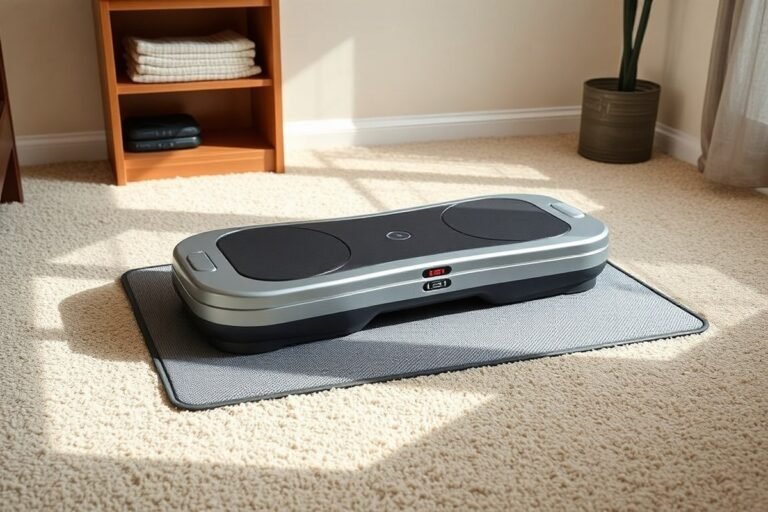
Vibration plates come in several types, mainly differentiated by their motion: oscillating (pivoting side to side), linear (vertical up and down), and three-dimensional (combining vertical, horizontal, and oscillatory). Each motion affects your back muscles and joints differently, which matters when seeking pain relief.
Oscillating plates pivot side to side, creating a seesaw effect. This motion helps improve balance and gently engages core and lower back muscles. They usually operate at frequencies around 5 to 12 Hz and are often recommended for chronic back pain because the movement is less intense and more targeted to stabilizing muscles.
Linear or vertical vibration plates move straight up and down, transmitting stronger vibrations through the spine. These plates operate at higher frequencies, often between 20 to 60 Hz. While they can improve circulation and muscle activation, their force may not be ideal for all back pain types, especially inflammatory conditions or acute pain, as they risk aggravating discomfort. Three-dimensional plates combine these motions and can offer complete muscle stimulation but tend to be more expensive and may require more cautious use to avoid overtiring sensitive back muscles.
| Vibration Type | Motion | Frequency Range (Hz) | Back Pain Suitability | Average Cost ($) |
|---|---|---|---|---|
| Oscillating | Side to side pivot | 5, 12 | Good for chronic, stabilizing muscle pain | 150, 400 |
| Linear (Vertical) | Up and down | 20, 60 | Better for circulation, avoid if inflammatory pain | 300, 1,000 |
| Three-dimensional | Vertical + horizontal + oscillation | 10, 50 | Full muscle stimulation; use cautiously | 500, 1,500+ |
Compared to other treatments, vibration plates offer a non-invasive approach that improves muscle activation and blood flow without medication or manual manipulation. They are especially useful for individuals seeking active involvement in recovery. However, their effectiveness may be limited for severe structural issues or pain requiring specific physical therapy techniques.
Start sessions with low frequency and short durations, especially on oscillating plates, around 5 to 10 minutes per day. Avoid high-frequency vertical plates if your back pain involves inflammation. Monitor how your back feels during and after use to adjust settings and session length.
Step-by-Step Plan to Start Using a Vibration Plate for Back Pain Relief
Follow this plan to safely introduce vibration plate therapy and track its effects on your back pain.
- Before You Start: Consult your healthcare provider, especially if you have existing spine issues or other health conditions, to ensure vibration therapy is safe for you.
- Day 1: Begin with a 5-minute session on the lowest vibration setting, standing or performing gentle movements. Notice any changes in discomfort or comfort level afterward.
- Days 2-7: Increase session time up to 10 minutes and add simple back stretches while on the plate. Check if muscle stiffness decreases or if circulation feels improved.
- Week 2: Try targeted exercises designed for your specific back pain type, like partial squats or pelvic tilts on the plate. Track any reduction in pain intensity or frequency.
- Weeks 3-4: Gradually raise vibration intensity within your comfort zone, maintaining 10-15 minutes per session, three to four times weekly. Observe improvements in mobility or muscle relaxation.
- After 4 Weeks: Assess your overall back pain level. If noticeable relief occurs, continue this routine; if pain worsens or persists without improvement, stop and consult a professional.
- Ongoing: Combine vibration plate sessions with other healthy habits like proper posture and regular low-impact exercise for sustained benefits.
Frequently Asked Questions
Can a Vibration Plate Help Improve Posture to Reduce Back Pain?
Yes, a vibration plate can aid posture by strengthening core and back muscles, which support spinal alignment and help reduce pain. Consistent use improves stability and may prevent future discomfort.
Does Vibration Therapy Help with Stiffness in the Lower Back After Sitting Long Hours?
Yes, vibration therapy helps loosen stiff lower back muscles by increasing blood flow and activating muscles, easing discomfort from prolonged sitting. Short sessions can counteract sedentary lifestyle effects.
Can Vibration Plates Replace Physical Therapy for Chronic Back Pain?
No, vibration plates are not a substitute for physical therapy but can complement treatment by improving muscle activation and circulation. Always consult a healthcare professional before starting any new therapy.
Is It Normal to Feel Soreness After Using a Vibration Plate for Back Pain?
Mild soreness can be normal as muscles adjust to new stimulation. Start with short, gentle sessions and increase gradually to avoid discomfort while allowing your body to adapt.
Are There Specific Vibration Frequencies Better for Easing Back Pain?
Yes, lower frequencies around 20-30 Hz are often recommended for back pain relief as they gently activate muscles and promote circulation without causing strain. Adjust settings based on comfort.
Key Points to Remember
A vibration plate can be a helpful tool for relieving back pain when used correctly and with attention to your body’s signals. Starting slowly and focusing on specific exercises improves the chances of easing discomfort. Select your next step by consulting your provider about an appropriate vibration plate setup that suits your back condition and lifestyle.