Are Treadmills Bad for Your Knees? A Complete Guide to Protect Your Joints
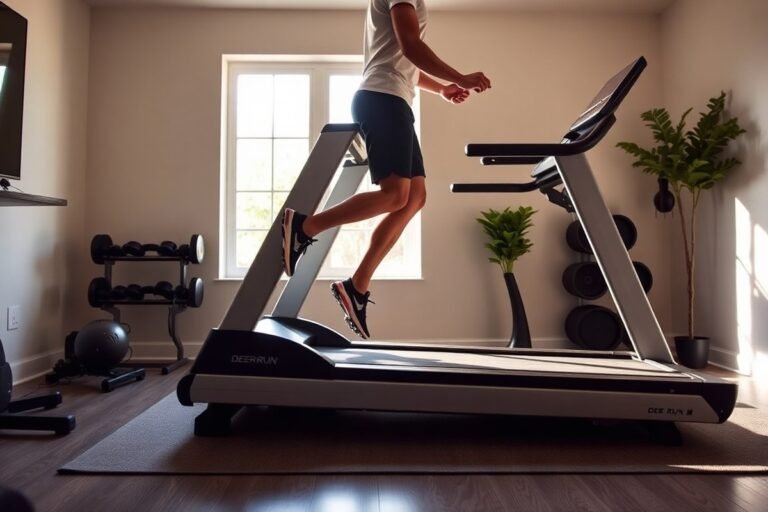
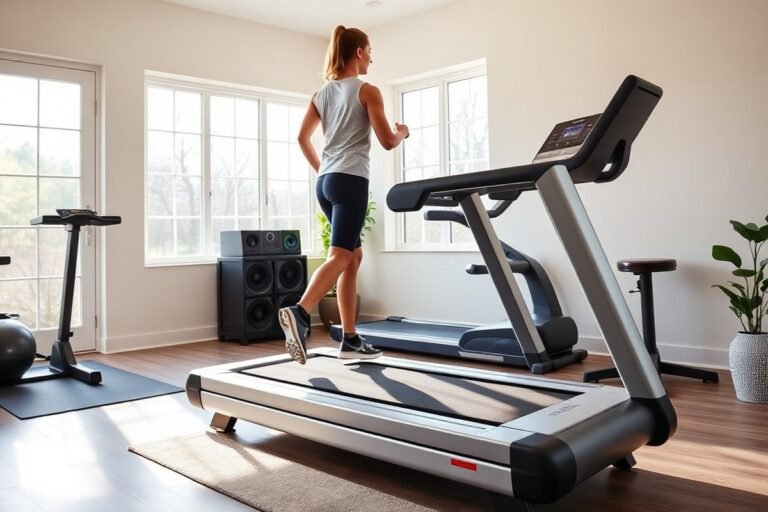
Are treadmills bad for your knees? They don’t have to be if you use them correctly. Moderate settings combined with proper warm-up and footwear can protect your joints while you get a solid workout. Starting with a slight incline and controlled speed helps reduce unnecessary knee strain and supports joint health.
Key Takeaways
- Use a 1-2% treadmill incline to mimic natural terrain and reduce knee impact.
- Increase speed or incline by no more than 10% per week to allow knee adaptation.
- Start workouts with 5-10 minutes of dynamic stretches like leg swings or walking lunges.
- Wear supportive shoes designed for treadmill exercise to cushion knee joints.
- Avoid walking or running on inclines above 3% unless knees are well-conditioned.
- Apply heat for 15-20 minutes before activity if knees feel stiff, and ice if swollen after workouts.
Do Treadmills Harm Your Knees? What Science Says
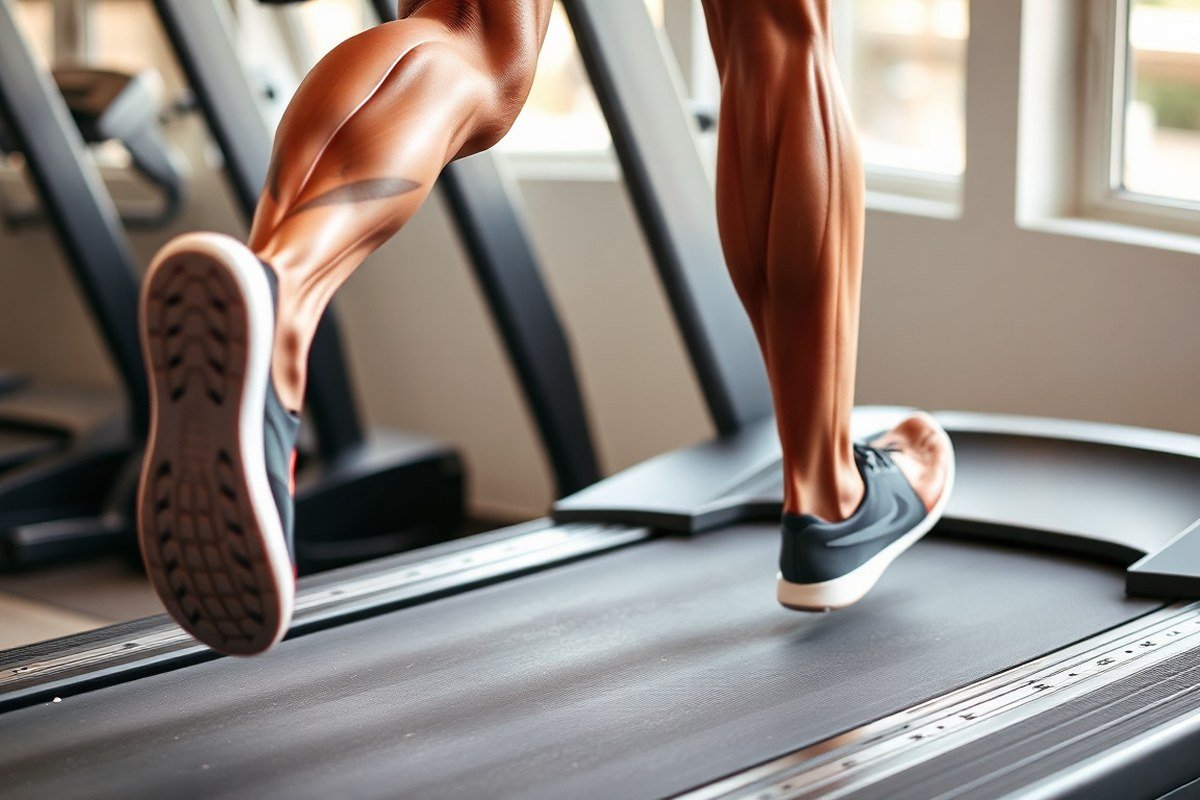
Using a treadmill is not inherently bad for your knees; how it affects them depends largely on your running form, speed, and incline settings. Scientific studies show that impact forces on the knees when running on a treadmill are very similar to running outdoors. The cushioning on most treadmills absorbs 15% to 33% of vertical impact, often reducing shock compared to hard pavement. This can make treadmills a safer choice for your knees, especially if you have joint concerns.
The consistent flat surface of a treadmill differs from the variable terrain of outdoor running, which can both help and hinder joint health. Treadmills eliminate downhill running, which often causes extra knee stress. However, the unnatural constant pace can cause repetitive strain if your gait stays rigid without variation. Experts suggest adjusting your stride to be slightly quicker and shorter by about 10%, shifting impact forces away from your knees and into your lower legs. This adjustment helps prevent overuse injuries associated with repetitive treadmill steps.
Training load also matters. Sudden jumps in distance or intensity raise the risk of knee pain or injury, whether you run indoors or outdoors. Using a treadmill lets you carefully control speed and incline, making it easier to avoid abrupt increases in stress. Starting with a 1% incline mimics outdoor energetic costs and maintains more natural running mechanics, which protects your knees better than a completely flat treadmill. Ultimately, treadmill running can be as joint-friendly as outdoor running when you manage workout intensity, form, and treadmill settings thoughtfully.
Why Do Your Knees Hurt After Treadmill Workouts?
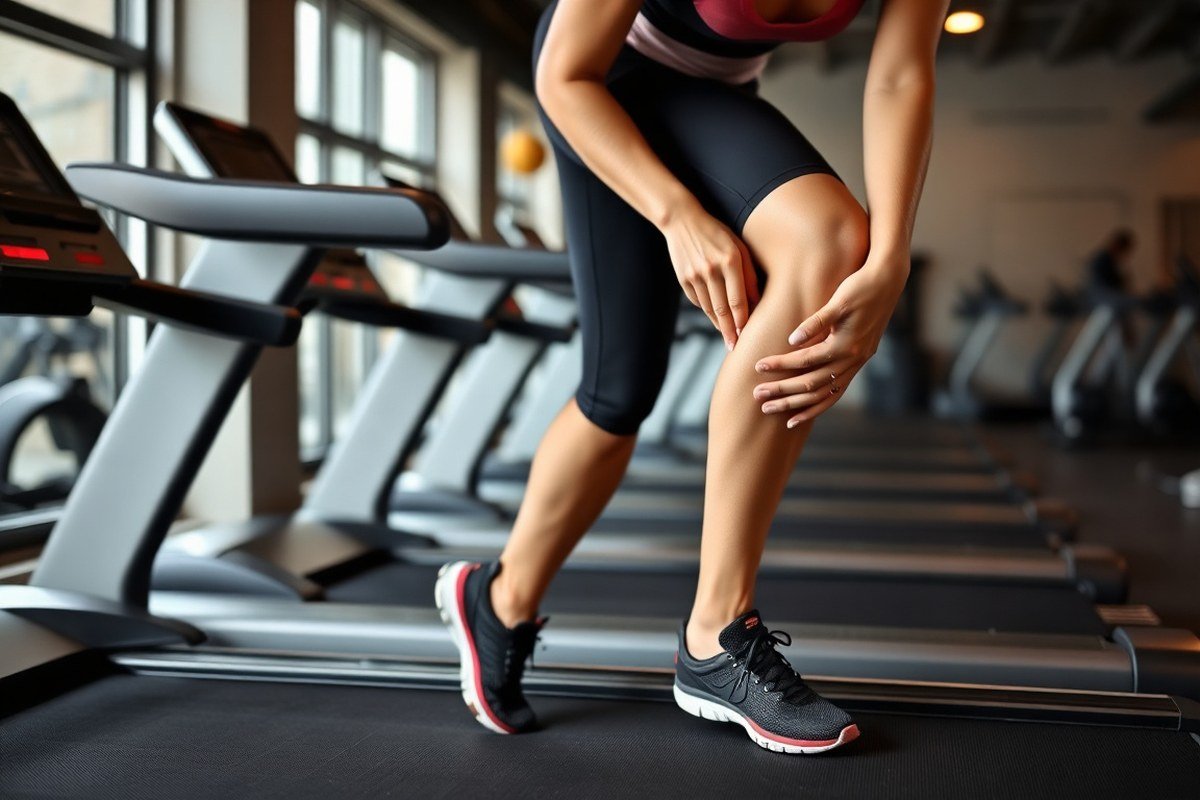
Knee pain after treadmill workouts often results from overuse, poor form, unsuitable footwear, or preexisting knee problems. Overuse happens when you suddenly increase your exercise intensity, distance, or incline, placing excess stress on the knee joints. Your knees need time to adapt, so jumping from low to high intensity in just one session can cause soreness and even inflammation.
Improper form is another common cause. Certain habits like overstriding, locking your knees when you run or walk, or leaning too far forward or backward change the forces applied to your knee. These mistakes put extra strain on ligaments and cartilage, leading to discomfort after your treadmill session.
Wearing the wrong shoes also affects knee health during treadmill use. Shoes without adequate cushioning, arch support, or stability can fail to absorb impact or guide your foot properly. This forces your knees to handle more shock and uneven pressure, which contributes to pain. It’s best to use running shoes designed for your foot type and replace them every 300 to 500 miles, depending on wear and tear.
Underlying knee problems, like osteoarthritis or past injuries, can also cause pain to flare when you exercise on a treadmill. These conditions weaken the joint and lower its tolerance to repetitive movements. Experiencing knee pain during or after treadmill workouts without clear issues in your form or shoes calls for a visit to a physical therapist or doctor for detailed evaluation.
Consistent knee pain during or after treadmill use, especially when increasing speed, incline, or workout length, may indicate problems with your routine. Correct common errors by landing your foot nearer to your body, keeping a slight bend in your knees instead of locking them, and advancing your workout intensity at a measured pace. Begin with 5 to 10 minutes of dynamic movements like leg swings and walking lunges, then do a gentle warm-up walk to ready your knees.
Knee-Friendly Treadmill Settings: Incline, Speed, and Duration
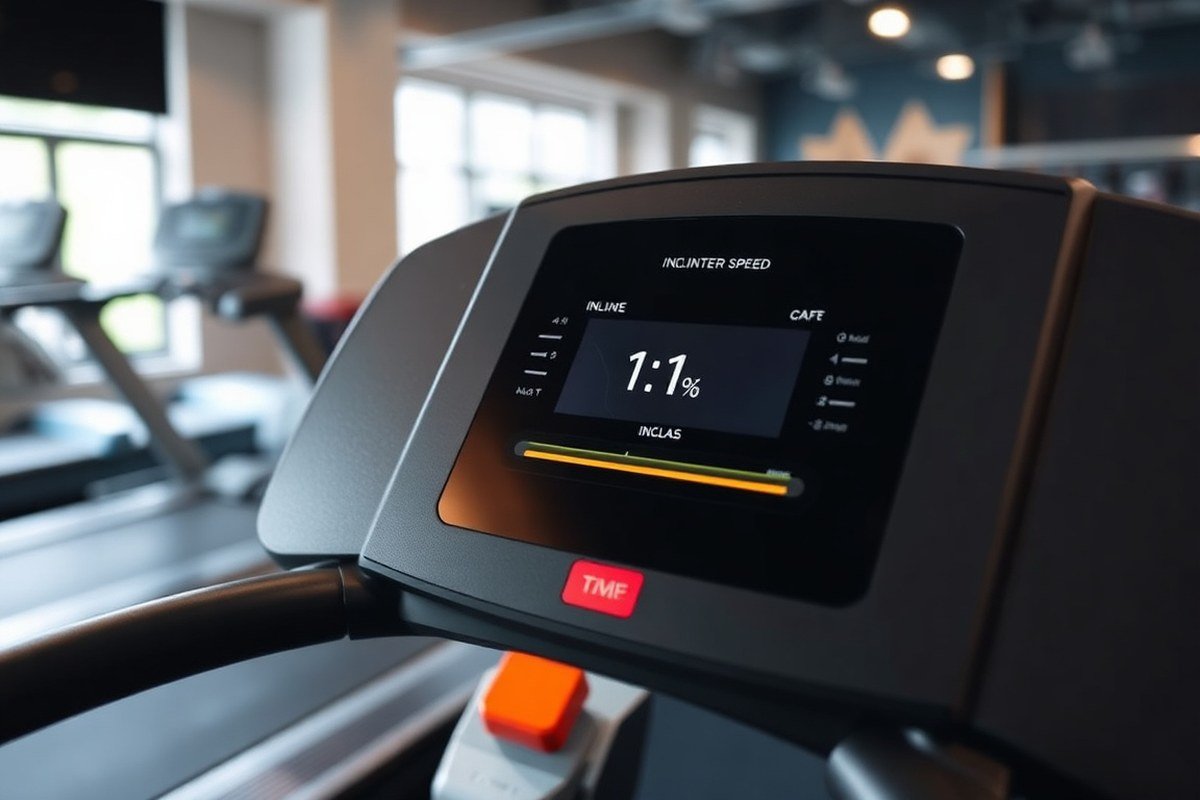
Setting your treadmill’s speed and incline carefully helps protect your knees and build strength safely. Start with a mild incline of 1 to 2 percent. This slight incline reduces knee stress by engaging your quadriceps and glutes, which support the knee joint. Avoid steep inclines initially, especially if you have a history of knee pain, since high inclines increase joint load and can worsen conditions like patellofemoral pain.
Speed is another key factor. Begin walking or jogging at a pace you can maintain comfortably, and increase speed by no more than 10 percent each week. Sudden jumps in speed or incline put excess strain on the knees and increase injury risk. For most people, 20 to 30 minutes per session, three to five times per week works well. This duration balances building fitness without overloading knees.
- Start treadmill workouts with a 1% to 2% incline
- Increase speed and incline gradually by up to 10% weekly
- Limit workouts to 20-30 minutes for knee safety
- Adjust duration based on how your knees feel after activity
- Use moderate incline walking as a less knee-straining alternative to running
- Pause or reduce intensity if you notice pain around your kneecap
- Consult your physical therapist for personalized incline and speed plans if you have knee injuries or surgery history
Building duration and intensity gradually gives your knees time to adapt and strengthens surrounding muscles. Long sessions or high speed/incline too soon often lead to pain or injury. People recovering from knee surgery or managing tendinopathy should follow medical guidance strictly, easing into treadmill use only when approved. With controlled progression and attention to discomfort, treadmill workouts can improve your cardio and knee health without unnecessary risk.
Choosing Shoes and Equipment That Support Knee Health on Treadmills
Proper footwear is essential for protecting your knees on a treadmill. Choose running or walking shoes designed specifically for your foot type with ample cushioning and strong arch support. This cushioning helps absorb shock from each foot strike, lowering the impact transmitted to your knee joints. Shoes lacking these features can increase knee stress and pain. Replace your shoes every 300 to 500 miles to maintain adequate support and avoid deterioration that leads to discomfort.
Treadmills with cushioned belts and advanced shock absorption reduce the impact forces on your knees compared to hard surfaces. Models featuring softer, more flexible deck materials and thicker running surfaces can make a noticeable difference in comfort, especially for users with sensitive knees. Investing between $800 and $2,000 often gains these quality cushioning features. Basic treadmills with minimal padding tend to increase joint strain and may not be ideal if your knees are prone to pain.
Look at specific treadmill specs that lessen knee stress. Machines offering adjustable shock absorption settings allow you to customize cushioning based on your weight and running style. Smooth, consistent belt movement also lowers sudden force spikes. A treadmill with quieter, more stable mechanics generally indicates better shock control. Prioritize models where reviews mention joint comfort or features like “anti-shock systems” and “cushioning technology.”
Using a reliable combination of well-fitted shoes and a treadmill designed with Impact-reducing technology supports knee health. Start by checking your current shoes for wear or insufficient padding before blaming the machine. Then consider upgrading your treadmill if you regularly experience knee pain despite using the proper footwear and form adjustments. This approach can prevent unnecessary discomfort and keep you exercising confidently.
How to Adjust Your Form and Training to Protect Your Knees
Poor form on a treadmill can increase stress on your knees, leading to pain or injury. To protect your knees, focus on running or walking with an upright posture, relaxing your shoulders, and landing softly on your feet. Avoid leaning on the rails, as this shifts your body weight unnaturally and places extra load on your knees. Proper foot placement, such as striking mid-foot rather than heel-first, also helps reduce knee impact.
Warming up and stretching can prepare your knees and surrounding muscles for treadmill exercise. Start with 5-10 minutes of dynamic stretches like leg swings, walking lunges, or knee hugs. These movements increase blood flow, loosen tight muscles, and improve joint mobility. Applying heat to sore knees for 15-20 minutes before workouts may also relax muscles and decrease discomfort.
Strength training supports the knee joint by building muscle around it, especially the quadriceps. Exercises like seated leg extensions, bodyweight squats, or resistance band work help stabilize your knees and absorb shock during treadmill use. Incorporating cross-training activities such as yoga or swimming on rest days also balances muscle groups and reduces repetitive movement strain.
Use a safe training progression to avoid overloading your knees. Gradually increase treadmill workout duration and intensity rather than jumping into long or fast sessions. Vary your stride and treadmill incline to prevent monotony and repeated stress on the same joints. Avoid treadmill downhill settings, which place extra pressure on knees.
- Begin with 5-10 minutes of dynamic stretches like leg swings or knee hugs to warm up muscles and joints.
- Walk or run with an upright posture, soft foot strikes, and avoid leaning on the treadmill rails.
- Apply heat to aching knees for 15-20 minutes before exercise to relax muscles if needed.
- Increase workout intensity and duration gradually, raising treadmill speed or incline no more than 10% per week.
- Include strength training twice weekly focusing on quadriceps and supporting muscles, such as seated leg extensions.
- Cross-train on rest days with low-impact activities like yoga or swimming to improve balance and flexibility.
- Avoid treadmill decline settings to reduce bent-knee impact that strains the joint.
When to Stop and Seek Help for Treadmill-Related Knee Pain
Stop treadmill workouts immediately if you experience sharp or worsening knee pain during or after exercise. Mild soreness may improve with rest, but persistent pain signals a potential injury. Pay attention to symptoms like swelling, instability, locking, or a feeling that your knee might give way. These signs suggest structural damage requiring professional assessment.
Monitor your knee pain by using a symptom checklist: note pain intensity (scale 0-10), type of pain (sharp, dull, aching), timing (during, right after, or the next day), and any functional limitations such as difficulty walking or descending stairs. Track this daily for at least three days to detect worsening trends or lack of improvement.
Seek medical advice if knee pain lasts more than one week despite resting and modifying treadmill settings. Consult a doctor or physiotherapist, especially if you have conditions like arthritis, a history of knee injury or surgery, or carry extra weight. These factors increase the knee joint load, remember, your knees endure 2.5 to 4 times your body weight during activity, raising injury risk if you resume too quickly.
This decision rule can guide you: if knee discomfort limits your daily activities, does not respond to reduced treadmill speed or incline, or is accompanied by swelling and instability, stop exercising and book a professional evaluation. Early diagnosis helps prevent worsening damage and identifies the right treatment, whether it’s physical therapy, bracing, or adjusted training.
Handling knee symptoms proactively usually costs only time and attention, but ignoring warning signs may lead to costly surgeries or chronic pain. A healthcare provider can tailor recommendations and confirm if treadmill workouts are safe for you or if alternative low-impact options like water therapy might suit your knee health better.
Step-by-Step Action Plan for Healthier Knees on the Treadmill
Follow these steps to protect your knees while using a treadmill and reduce discomfort.
- Before your first session: Choose cushioned running shoes designed for treadmill use. Make sure they fit well and provide good arch support to minimize impact on your knees.
- Day 1: Start with a light warm-up walk at a slow speed, about 2 to 3 mph, to let your knees adjust. When you feel no pain, move on to the next step.
- Week 1: Gradually increase your treadmill time to 20 minutes, keeping the incline at 0, 1%. Stop or slow down if you notice any knee soreness during or after workouts.
- Week 2: Introduce a slight incline of 1 to 2%, which helps reduce knee stress. Monitor how your knees respond; no increased pain means the adjustment suits you.
- Week 3: Focus on your running or walking form by maintaining an upright posture and landing midfoot. Record any changes in knee comfort to ensure form changes help.
- After 4 weeks: Slowly increase session duration to 30 minutes and mix speed intervals between 3 and 4.5 mph if comfortable. Consistent pain-free workouts indicate safe progression.
- Ongoing: Pay attention to knee signals. Pain means you should lower speed or incline and try shorter sessions. Seeking advice from a healthcare provider is important if pain persists.
Frequently Asked Questions
Are Treadmills Bad for Your Knees If You Have Arthritis?
Treadmills are generally safe for arthritis if you use low impact settings and proper form. Adjusting speed and incline can reduce joint stress and improve knee mobility over time.
Can Treadmill Running Cause Knee Injuries?
Running on a treadmill alone rarely causes knee injuries; improper form or overuse is the main culprit. Pay attention to your technique and gradually increase workout intensity.
How Does Treadmill Cushioning Affect Knee Pain?
Good treadmill cushioning can reduce impact forces on your knees, lowering pain risks during exercise. Softer belts absorb shock better, so choose a model with adequate shock absorption.
Is Walking on a Treadmill Better for Knee Health Than Running?
Walking usually imposes less stress on knees than running and suits joint recovery. It’s a good exercise option if you want to protect your knees while staying active.
Can Treadmill Workouts Help Improve Knee Strength?
Yes, treadmill workouts can build knee strength when done with controlled speed and incline. Strengthening muscles around the knee helps support joints and reduce pain over time.
Final Thoughts
Using a treadmill does not have to harm your knees if you choose the right shoes, adjust settings carefully, and pay attention to your body’s signals. Take one step today by checking your shoes and treadmill form to create a safer workout environment. Protecting your knees lets you enjoy the benefits of treadmill exercise for years to come.