
Are Dumbbells FSA Eligible? How to Qualify and Use Your Funds Correctly
Flexible Spending Accounts usually won’t pay for dumbbells unless a healthcare professional prescribes them for a specific medical condition. Getting a Letter of Medical Necessity from your doctor can qualify dumbbells as an eligible expense. Consider discussing with your physician if dumbbells could support your treatment plan.
Key Takeaways
- Obtain a Letter of Medical Necessity specifying the exact dumbbell type and weight range prescribed by your healthcare provider.
- Submit the letter to your FSA administrator before purchasing dumbbells to confirm eligibility and avoid claim denial.
- FSA eligibility letters generally stay valid for 12 months, so renew yours annually if continued use is needed.
- Use your FSA or HSA debit card only after approval to ensure the purchase qualifies for reimbursement.
- Appeal denied claims within 30 to 60 days by submitting additional documentation or clarifications.
- Consider alternative FSA-eligible fitness items like health tracking devices if dumbbells aren’t approved.
Are Dumbbells Generally Eligible for FSA Purchases?
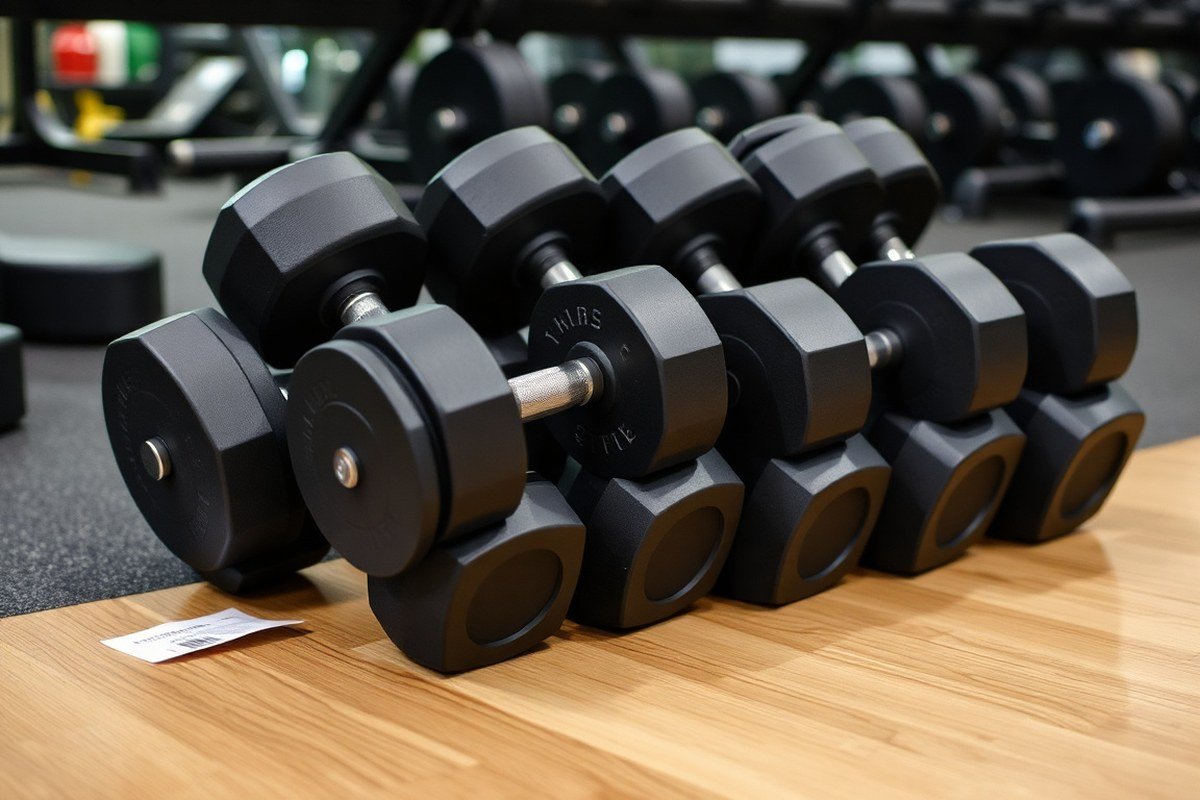
Dumbbells are generally not eligible for purchase with Flexible Spending Account (FSA) funds by default. The IRS classifies most fitness equipment, including dumbbells, as items primarily intended for general health and wellness rather than treatment of a specific medical condition. According to IRS Publication 969, medical expenses eligible for FSA reimbursement must be directly related to diagnosing, treating, or preventing a particular health issue. Since dumbbells are typically used to improve general fitness rather than address a diagnosed medical need, they usually do not meet this standard.
The IRS guidelines clarify that expenses focused solely on maintaining or improving general health are not FSA qualified medical expenses. For fitness equipment like dumbbells to qualify, you must provide proof that a licensed healthcare provider has prescribed them for a treatment-related reason. This prescription or letter of medical necessity must explicitly state that the equipment is required to address a diagnosed health condition. Without this documentation, your FSA plan administrator is likely to deny reimbursement for dumbbell purchases.
FSA plans also have specific rules about coverage periods and documentation requirements. Eligible expenses must occur during your FSA coverage period, and claims require thorough records including receipts and medical justification. These standards ensure that the claimed expense aligns with the IRS definition of a medical expense rather than a general fitness purchase. Because of these rules, dumbbells are only eligible when tied to a medical treatment plan verified by a healthcare professional, consistent with IRS Publication 969 and your FSA provider’s guidelines.
How a Letter of Medical Necessity Enables Dumbbell Eligibility

A Letter of Medical Necessity (LMN) is a formal document written by a licensed healthcare provider that explains why a specific medical expense, like dumbbells, is required to treat a diagnosed medical condition. You obtain an LMN by consulting your doctor or a healthcare practitioner who evaluates your health needs and prescribes the equipment as part of your treatment plan. Providers may also issue an LMN through services like Truemed, which specializes in creating compliant documentation for FSA or HSA eligibility.
The reason an LMN matters is that general fitness equipment purchases, including dumbbells, are typically not eligible for FSA reimbursement. However, when dumbbells are prescribed specifically to address conditions such as arthritis, chronic pain, osteoporosis, or post-surgery rehabilitation, the LMN certifies that they serve a medical purpose. This certification changes the purchase from a personal fitness item to an eligible medical expense.
An effective LMN must include specific details: your diagnosis, the prescribed treatment plan, a clear explanation of how the dumbbells are necessary to treat or manage your condition, and the provider’s contact information and credentials. Without these components, FSA administrators will likely deny your reimbusement claim. Along with the letter, you need to submit your purchase receipt and sometimes additional paperwork from your FSA provider.
The validity of an LMN varies by provider and FSA administrator but typically lasts as long as the treatment plan remains current or up to one year. You can usually obtain an LMN fairly quickly, sometimes within days, especially when using services like Truemed that streamline the process. Costs can range from free (if your regular doctor issues it during a visit) to $50 or more for specialized documentation services.
How to Purchase Dumbbells Using FSA or HSA Funds

Begin by checking that your chosen dumbbells qualify for FSA or HSA funding. Obtain a letter of medical necessity (LMN) from your healthcare provider. The letter should clearly describe your medical issue and how using the dumbbells will assist in treatment or symptom management. For instance, your provider could recommend adjustable dumbbells from 5 to 25 pounds to help with muscle weakness caused by osteoporosis. Make sure the LMN is signed and dated to validate your claim.
Check vendors that specialize in selling FSA/HSA eligible products. Sites like Truemed offer a variety of approved health-related fitness gear, including adjustable dumbbells, which you can purchase using your FSA or HSA funds. These vendors often ensure their product listings include eligibility verification, saving you time and uncertainty.
When ready to buy, use your FSA or HSA card directly at the approved vendor if possible. Use a standard credit card to purchase the dumbbells if they don’t qualify, and keep both the receipt and your LMN for your records. You’ll need to submit a claim for reimbursement to your plan administrator, including the purchase receipt and your LMN. Make sure to keep copies of all documents and double-check the details required by your FSA or HSA plan for a smooth claims process.
Adjustable dumbbells are typically allowed, provided they align with your physician’s prescription and are used to treat your diagnosed condition. Their flexibility often makes them a better match for your therapy needs than fixed-weight dumbbells, which might not cover your prescribed range. Always verify eligibility with your administrator or trusted vendor before purchase to avoid denial.
Before buying, run through a mental checklist: confirm your medical necessity letter is complete and current; verify the dumbbells meet specifications in the letter; purchase from a trusted FSA/HSA-recognized vendor; keep all receipts; and submit claims promptly as per your plan’s deadlines. Following these steps helps ensure you can use your FSA or HSA funds efficiently and avoid common claim denials.
Common Reasons Dumbbell FSA Claims Are Denied and How to Fix Them
When your FSA claim for dumbbells is denied, the first step is to understand why. Common reasons include missing or unclear Letter of Medical Necessity (LMN) details, such as a lack of a specific diagnosis or an expired letter. Another frequent issue is a receipt that doesn’t itemize the dumbbells separately from other purchases. These mistakes can lead to a quick rejection from your plan administrator.
You usually have between 30 to 60 days from the denial notification to file an appeal. Acting within this window is critical because waiting too long can forfeit your chance to recover those funds. To appeal, gather clear documentation: an updated LMN that specifies your health condition and the medical need for dumbbells, a detailed itemized receipt, and any other supporting letters from your healthcare provider.
Maintaining a checklist before submitting a claim helps prevent these problems. Ensure your LMN names your diagnosis and is current, your receipt breaks down the cost of each item bought, and you follow any specific rules your plan sets. Some plans have stricter restrictions about which fitness equipment qualifies, so double-check your policy or contact your FSA administrator to confirm before purchasing.
If your claim is denied, don’t let it waste your funds. Submit your appeal with the added documentation promptly. When resubmitting, include a clear note explaining why you believe the items are eligible and reference your plan’s guidelines if possible. Taking these steps not only improves your chances of approval but also helps you Use your FSA funds effectively without losing money to paperwork errors or misunderstandings.
Comparing FSA Eligible Fitness Equipment Alternatives to Dumbbells
You have several options for FSA and HSA eligible fitness equipment other than dumbbells. Common alternatives include TENS units, blood pressure monitors, and some types of therapeutic exercise equipment. These tend to qualify as medical devices when prescribed or recommended by a healthcare provider. Unlike dumbbells, which usually require a Letter of Medical Necessity (LMN) for coverage, devices like TENS units often have clearer paths to reimbursement because they are explicitly designed for pain relief or physical therapy.
Gym memberships and personal training sessions are usually not eligible for FSA or HSA funds since they do not count as medical expenses. The IRS generally excludes fitness services and fees for general health from coverage, so memberships and training alone typically cannot be purchased with these accounts. However, if your healthcare provider considers gym access or specific classes a necessary part of your treatment plan, you might use an LMN to justify the expense, but approval varies by plan administrator.
| Equipment or Service | Typical FSA/HSA Eligibility | Why | Notes |
|---|---|---|---|
| Dumbbells | Conditional | Eligible only with Letter of Medical Necessity | Requires doctor’s note explaining medical need |
| TENS Unit | Usually Eligible | Medical device for pain management | No LMN typically needed if prescribed |
| Blood Pressure Monitor | Eligible | Medical monitoring device | Covered without LMN |
| Gym Membership | Usually Not Eligible | Considered fitness service, not medical expense | May qualify with LMN, but rare |
| Personal Training | Not Eligible | Fees for services, no medical device involved | Rarely approved under FSA/HSA rules |
Choosing equipment that qualifies without extra documentation can simplify your FSA or HSA spending. For example, investing in a blood pressure monitor provides routine health tracking covered by most plans, while avoiding the hassle of an LMN. On the other hand, if you prefer dumbbells for a rehabilitation program, you must request a clear letter from your doctor explaining why this equipment is medically necessary. Without it, claims for dumbbells or memberships are more likely to be denied.
Calculating Your Savings When Buying Dumbbells with FSA Funds
Using your FSA or HSA funds to purchase dumbbells can save you a significant amount of money because these accounts let you pay for eligible medical expenses with pre-tax dollars. For example, if you buy a set of dumbbells that costs $200 and they qualify as medically necessary equipment, you effectively avoid paying taxes on that $200. Assuming you’re in a 25% tax bracket, that means you could save about $50 in taxes (25% of $200). In a higher 35% bracket, your savings would increase to $70. The retailer still charges the full $200, but the savings come from the money you don’t pay in federal income taxes.
To tap into these savings, you need to confirm your dumbbells are eligible with your FSA or HSA plan, often by providing a letter of medical necessity from your doctor. Once approved, you pay for your dumbbells using your card linked to the FSA or HSA or by submitting a reimbursement claim. The money you spend on eligible medical equipment reduces your taxable income, so you pay less in taxes overall.
Remember, the exact amount you save depends on your income tax bracket and the amount you spend. If your dumbbells cost more than $200, simply multiply the cost by your tax savings rate. For some, that might mean you save $40 to $70 on each qualifying purchase. Using funds this way requires planning because many FSAs have “use-it-or-lose-it” rules that mean unused money might not roll over into the next year.
Those with HSAs have more flexibility since unused funds can roll over and grow tax-free. This strategic use of FSA or HSA funds lets you address specific health-related fitness needs, such as easing arthritis symptoms with resistance training, while cutting the out-of-pocket cost on dumbbells by a meaningful margin.
Step-by-Step Action Plan for Using FSA Funds on Dumbbells
Follow these steps to determine if you can use your FSA or HSA funds for dumbbell purchases and ensure your claims are approved.
- Before You Buy: Review your FSA or HSA plan documents to confirm your account’s rules on fitness equipment eligibility.
- Day 1: Consult your healthcare provider to discuss if dumbbells are medically necessary for your treatment plan.
- Day 3: Obtain a Letter of Medical Necessity from your provider specifying why dumbbells support your prescribed therapy.
- Day 5: Purchase dumbbells from a retailer that provides detailed receipts describing the items, so your FSA administrator can verify the expense.
- Day 6: Submit your claim with the purchase receipt and the Letter of Medical Necessity to your FSA or HSA administrator.
- Week 2: Check your claim status; if denied, review the denial reason and provide additional documentation or appeal promptly.
- After Approval: Keep all documentation safe for future reference or IRS audits.
Frequently Asked Questions
Can I Buy Dumbbells with My FSA Without a Prescription?
Dumbbells generally do not qualify for FSA reimbursement unless a healthcare professional prescribes them for a defined medical purpose. You must obtain An official Letter of Medical Necessity to use FSA funds for this purchase.
Are Adjustable Dumbbells More Likely to Be FSA Eligible Than Fixed Ones?
No, adjustable dumbbells have the same FSA eligibility rules as fixed weights and require a medical prescription.
Can I Use My FSA for Dumbbells to Improve General Fitness?
No, general fitness or wellness reasons do not qualify dumbbells for FSA use; medical necessity is required.
What Types of Documentation Prove Dumbbells Are Medically Necessary for FSA Use?
A Letter of Medical Necessity from a licensed healthcare provider specifying the medical condition and treatment plan enables eligibility.
Why Would an FSA Claim for Dumbbells Be Denied?
Claims are denied if dumbbells lack medical documentation or are used for general wellness rather than a diagnosed condition.
Final Thoughts
Using FSA or HSA funds to buy dumbbells generally requires proof of medical necessity. With the right documentation and clear communication with your plan administrator, you can make your purchase eligible and save money. Start by talking with your healthcare provider to get the proper paperwork that supports your claim.