Are Dumbbell Pullovers Good? A Complete Guide with Proven Tips
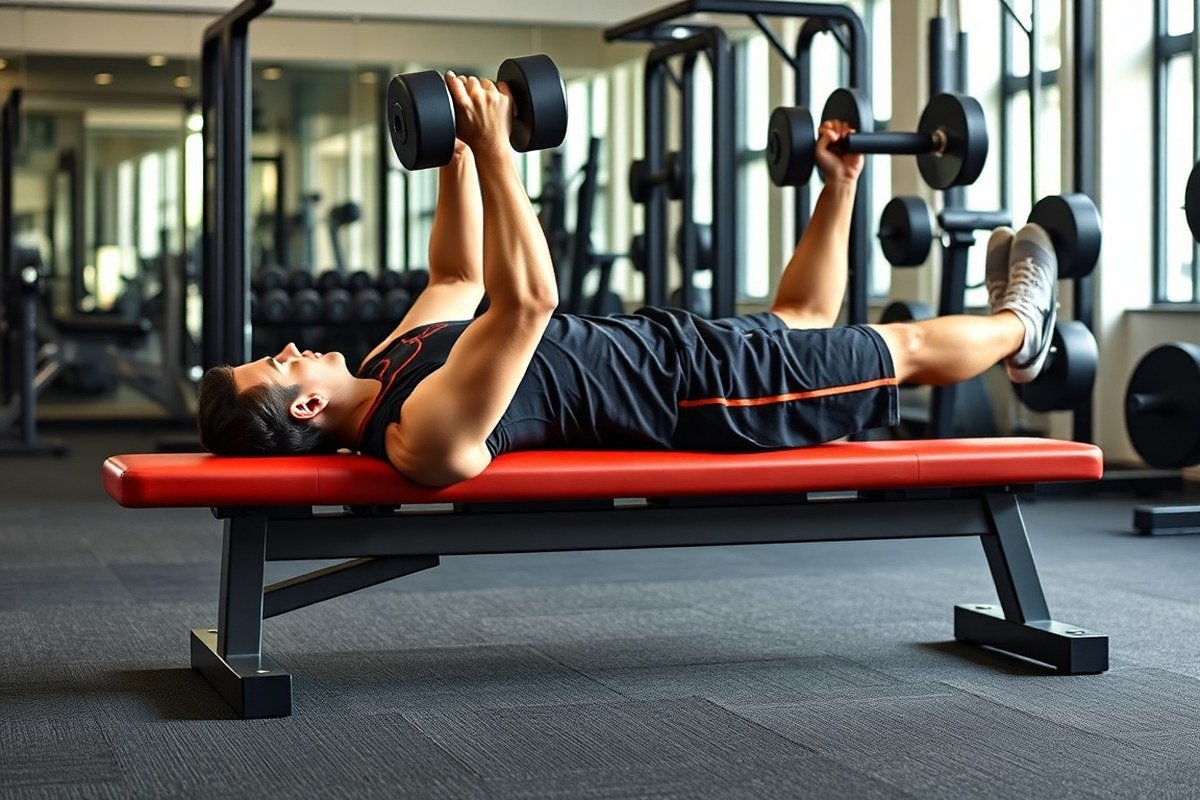
Are dumbbell pullovers good for your fitness routine? Yes, they effectively target the chest, back, and core muscles, making them a versatile addition. Start with a manageable weight to master form, which maximizes muscle engagement and reduces injury risk.
Key Takeaways
- Use a dumbbell around 30% of your body weight to begin your pullover exercises safely and effectively.
- Perform 3-4 sets of 8-15 reps to build muscle endurance and strength in chest and back areas.
- Keep elbows slightly bent during the pullover to protect the joints and maintain tension on the muscles.
- Lie perpendicular across a bench to support your upper back and improve the exercise’s range of motion.
- Engage your core and glutes with knees bent at 90 degrees to stabilize your body during the movement.
- Focus eagerly on muscle contraction during each repetition for maximum recruitment and better results.
Are Dumbbell Pullovers Effective for Muscle Building?
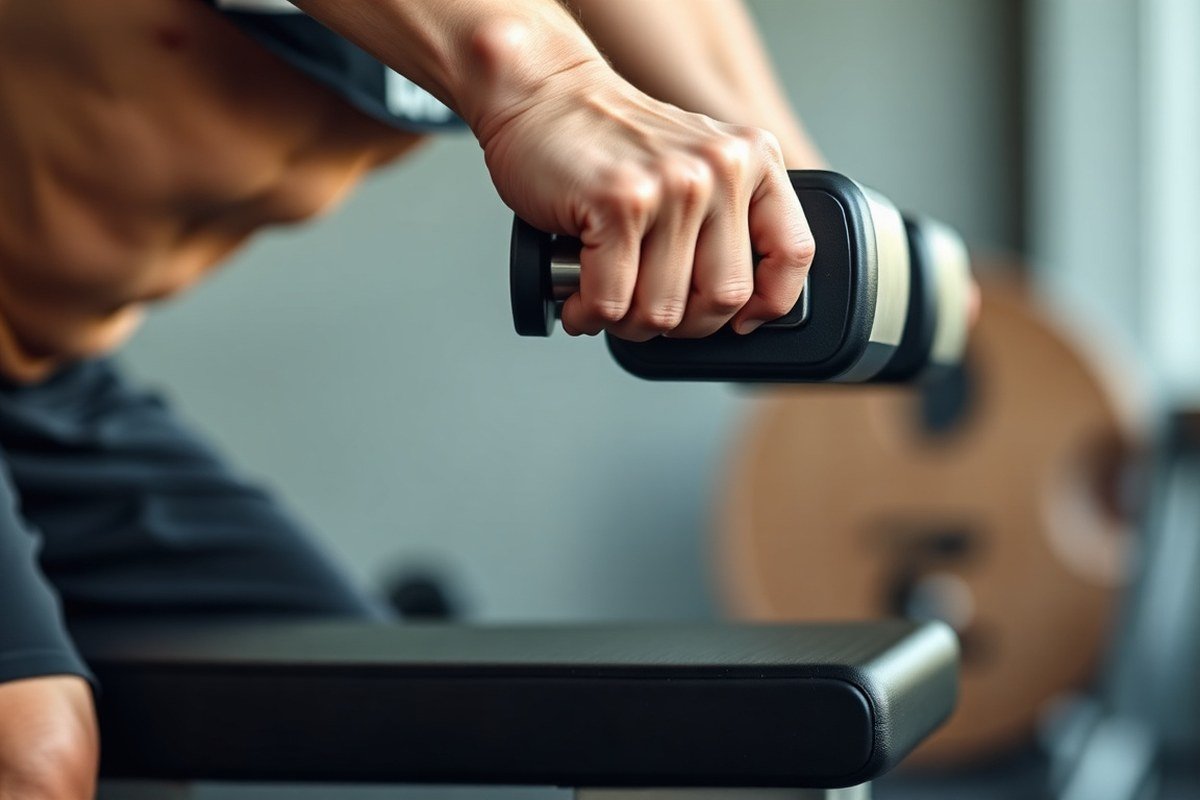
Dumbbell pullovers are effective for building muscle in multiple upper body areas. They primarily target the pectoralis major in your chest and the latissimus dorsi in your back. This makes them a versatile exercise good for both chest and back development, depending on your form and focus. Many bodybuilders have used pullovers to increase upper-body mass and strength because they engage large muscle groups at once.
Performing dumbbell pullovers correctly means holding a dumbbell with both hands, extending it back over your head while lying on a bench, and then pulling it back over your chest. This movement stretches and contracts your chest and back muscles through a large range of motion, helping stimulate muscle growth. Keeping the dumbbell close and controlled allows you to feel the work in either the pecs or lats as you concentrate your effort there.
Besides the chest and back, dumbbell pullovers also strengthen your triceps, deltoids, and serratus anterior along your ribs. Because you maintain a stable, angled position on the bench, your core and shoulder stabilizer muscles get involved as well. This improved stability can carry over to better performance in pressing and overhead carrying exercises, helping with overall upper body strength.
Adding dumbbell pullovers to your routine can improve muscle hypertrophy when done with appropriate weight and volume. For muscle gain, aim for 2 to 3 sets with multiple reps per set, resting between sets. Supersetting pullovers with dumbbell flyes targets chest growth, while pairing them with pull-ups focuses more on back development. Adjusting your angle or grip can help emphasize either muscle group more effectively, giving you a flexible tool for upper body growth and strength.
How to Perform Dumbbell Pullovers with Proper Form and Safety
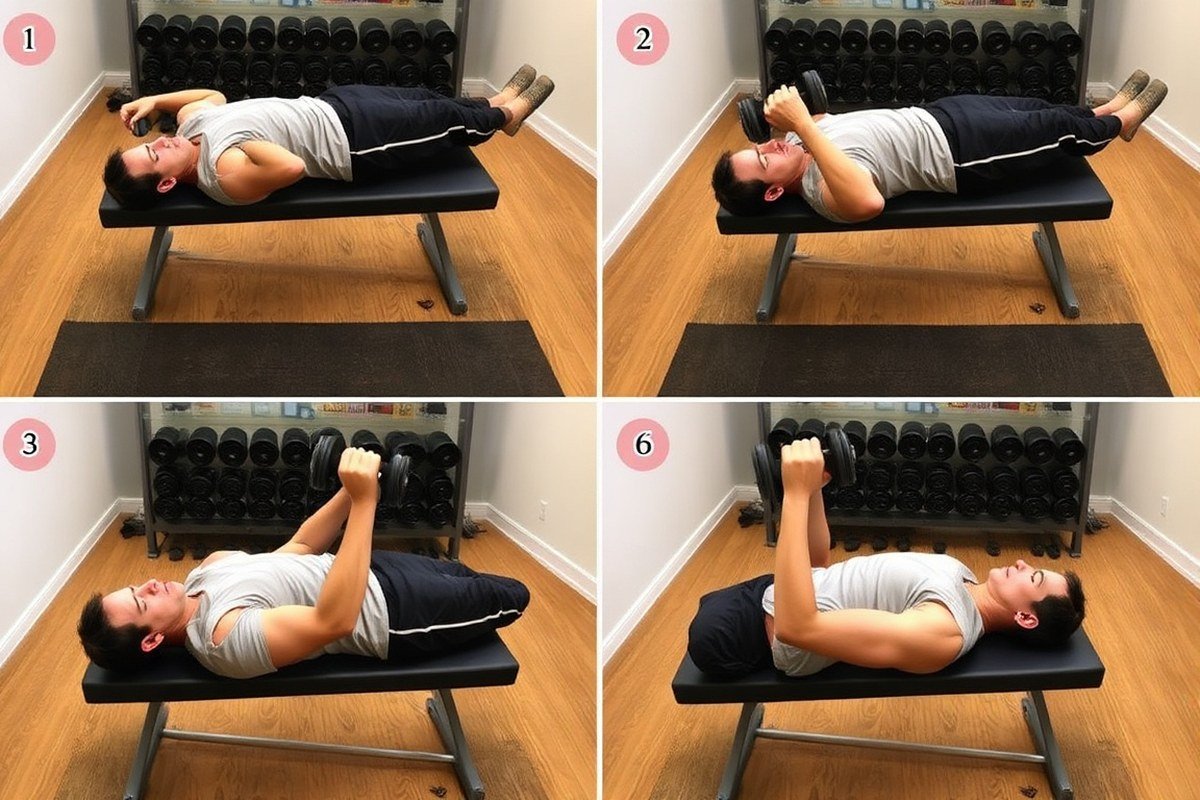
Start by lying on a weight bench with only your upper back and shoulders touching it, allowing your chest and hips to hang slightly off the bench. Hold a dumbbell with both hands above your chest, keeping your elbows slightly bent throughout the movement. Slowly lower the dumbbell back behind your head in a controlled manner, stopping once you feel a comfortable stretch in your chest and lats. Pause for a moment, then return the dumbbell to the starting position by lifting it back over your chest. Each rep should take about 3 to 4 seconds on the way down and 2 to 3 seconds lifting back up, maintaining steady control to maximize muscle engagement and avoid injury.
- Keep your core engaged to protect your lower back.
- Maintain a slight bend in your elbows to reduce joint strain.
- Don’t lower the dumbbell too far behind your head to avoid excessive spinal stress.
- Make sure your shoulders stay stable on the bench without shrugging.
- Use a weight that allows you to perform 8-12 reps with proper form.
Avoid common mistakes such as dropping the dumbbell too low, locking your elbows, or arching your lower back excessively. These errors can decrease the effectiveness of the exercise and increase the risk of injury. If you have shoulder issues or limited mobility, consider lighter weights or skipping the movement to prevent strain. Performing the dumbbell pullover with the correct setup and controlled tempo helps target your chest and lats effectively while keeping your joints safe.
Dumbbell Pullover Variations and When to Use Them
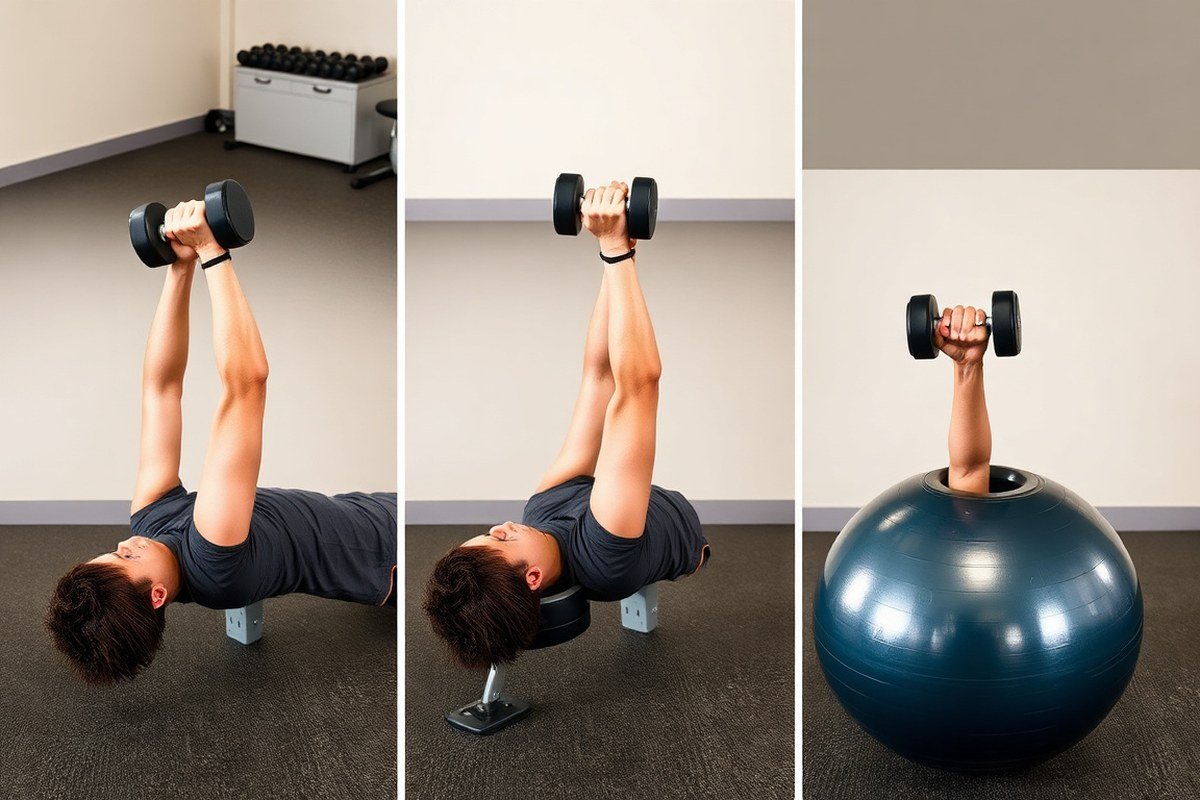
Several variations of the dumbbell pullover let you target different muscle groups or adjust to the equipment you have. The classic version involves lying flat on a bench, holding one dumbbell with both hands, and lowering it back behind your head to stretch and engage the chest and lat muscles. This allows a good range of motion and primarily targets the pecs and lats while improving shoulder mobility. For example, lying across a flat bench with your upper back supported while feet remain on the floor stabilizes the movement.
Using a decline bench adds intensity by increasing the range of motion and requiring more stability, making it suitable for experienced lifters aiming for muscle growth and shoulder strengthening. If you want to focus more on the arms and back, holding a dumbbell in each hand instead of one can challenge your shoulders and triceps further.
Alternatives like the cable machine pullover mimic the dumbbell movement but provide constant tension throughout the range of motion, which can be easier on the shoulders. The incline bench cable pullover also reduces shoulder strain due to the pulling angle, good for those with limited mobility. Resistance bands serve as a home-friendly alternative if you lack a bench or weights, offering variable resistance but requiring good control to prevent injury.
| Variation | Primary Muscles Targeted | When to Use | Equipment Needed |
|---|---|---|---|
| Classic Dumbbell Pullover | Pectorals, Lats, Triceps | General muscle building, shoulder mobility improvement | Flat bench, one dumbbell |
| Decline Bench Pullover (Double Dumbbells) | Lats, Chest, Shoulders, Triceps | Advanced lifters seeking added challenge and range of motion | Decline bench, two dumbbells |
| Cable Machine Pullover | Pecs, Lats | Shoulder-friendly, constant tension, rehab | Cable machine, incline bench optional |
| Resistance Band Pullover | Chest, Back, Core Stabilizers | Home workouts, beginners, limited equipment | Resistance band, anchor point |
Choosing a variation depends on your access to equipment and your fitness goals. For example, if your goal is to improve shoulder mobility safely or overcome limited flexibility, the cable or band variations are a practical choice. On the other hand, if you’re aiming to build muscle mass and have a bench and dumbbells ready, the decline bench pullover with two dumbbells offers a stronger stimulus with a wider range of motion. Always consider your shoulder health and start with lighter weights or resistance to avoid strain during these movements.
Choosing the Right Weight and Setting Reps for Your Fitness Goals
Selecting the right dumbbell weight depends largely on your current fitness level and specific goals. A practical starting point is to use a dumbbell around 30% of your bodyweight, then adjust based on how you feel during the exercise. For example, if you weigh 180 pounds, begin with a 50- to 55-pound dumbbell. Choose a weight that lets you complete your target reps with good form but feels challenging by the last few repetitions.
For strength gains, aim for three to four sets of six to eight reps. Use a weight you can handle for about eight to 10 reps but stop at six to eight to preserve some effort for quality. This means leaving two to three reps in the tank, so you avoid form breakdown. For instance, if you can do 10 reps with 60 pounds, pick this weight and perform six to eight reps per set.
Muscle growth calls for moderate reps and slightly less weight, three to four sets of eight to 12 reps. Select a dumbbell that allows you to reach the 10- to 12-rep mark but requires effort to finish the last few reps. Tracking progress involves increasing dumbbell weight when you can complete 12 reps comfortably over multiple workouts.
Improving muscular endurance needs lighter weights with higher reps. Execute two to three sets of 12 to 15 reps, focusing on controlled movements. Beginners might start with 15 reps and four sets, while intermediates can push to 20 reps. Over time, you can increase reps to 25 if endurance is the goal.
Progression comes from increasing either weight or reps within your set ranges. Once you easily complete the top end of reps with proper form, it’s time to increase the dumbbell by 5 to 10 pounds or add another rep per set. Always monitor how your shoulders feel since heavy pullover work can overload them if form slips. Prioritize form over heavier weights to avoid injury and maximize benefits.
Incorporating Dumbbell Pullovers Safely into Your Workout Routine
Beginners can include dumbbell pullovers safely by starting with light weights and focusing on proper technique before increasing load. Add them toward the end of your chest or back workout to avoid pre-fatiguing muscles needed for compound lifts. For example, finish with 2 to 3 sets of 10 to 12 reps using a manageable dumbbell weight. Doing too many pullovers too soon or with excessive weight risks shoulder strain and muscle overload, so increase volume gradually over several weeks.
Pair dumbbell pullovers with exercises that target complementary muscle groups for balanced upper body development. Combine them with pressing moves like bench presses to work the chest and triceps, and rowing variations to hit the back and biceps. Including core stabilization exercises also supports control during the pullover’s range of motion. This balanced approach reduces muscle imbalances and improves overall strength.
Tracking progress helps gauge when you’ll see results, typically within 4 to 6 weeks if you train consistently two to three times per week with proper rest. Muscle soreness and improved endurance during pullovers are early signs you’re building strength. Overload symptoms such as persistent joint pain or declining performance indicate it’s time to reduce intensity or volume.
An effective weekly routine could look like this: start your workout with chest or back exercises, move on to complementary accessory work, and end with pullovers as a finisher. Adjust the weight and reps based on your fatigue level from previous exercises. For beginners, focus on controlled movement and avoid locking elbows or arching the back excessively. Using a spotter or trainer can help ensure safety and correct form during early sessions.
Your First 4 Weeks: A Quick-Start Plan for Dumbbell Pullovers
Get started with dumbbell pullovers safely and effectively using this step-by-step plan. Track your progress by noting ease of movement and muscle engagement.
- Day 1: Learn the proper form. Perform 2 sets of 8 slow, controlled reps with a light dumbbell; you should feel your chest and lats working without strain.
- Week 1: Add 1 set to your routine; increase weight only if form is solid and no discomfort occurs during or after the exercise.
- Week 2: Focus on controlled breathing and range of motion; full stretch and contraction should feel challenging but comfortable.
- Week 3: Incorporate dumbbell pullovers into your existing upper body days 2 times per week; assess muscle fatigue and recovery to avoid overtraining.
- Week 4: Adjust reps to 10-12 per set if your goal is muscular endurance or keep 6-8 for strength; increase weight if 12 reps feel easy.
- After 4 weeks: Evaluate progress by noting improvements in chest and back definition or strength; consider adding pullovers variations to target different muscles.
Frequently Asked Questions
Are Dumbbell Pullovers Good for Beginners?
Dumbbell pullovers can be good for beginners if done with light weights and proper form. Start with lighter dumbbells to avoid shoulder strain and focus on learning the movement before increasing weight.
Can Dumbbell Pullovers Improve Shoulder Mobility?
Yes, dumbbell pullovers help increase shoulder mobility and stability. This added mobility can improve performance in overhead presses and carries.
Do Dumbbell Pullovers Help with Breathing Capacity?
Dumbbell pullovers can aid in expanding the rib cage and improving breathing capacity. This benefit comes from the stretch and controlled breathing during the exercise.
Are Dumbbell Pullovers Better for Chest or Back?
Dumbbell pullovers mainly target the chest but also engage the back muscles. Variations can shift the focus slightly, but pecs are the primary movers.
Can Dumbbell Pullovers Cause Shoulder Injuries?
They can overload your shoulders if done improperly or with too much weight. Maintaining a slight elbow bend and proper form reduces injury risk.
Wrapping Up
Dumbbell pullovers can be an effective addition to your routine when performed properly and progressively. Start with light weights and focus on control before increasing intensity. Try adding them to your next workout to experience how they engage your upper body muscles differently and see if they fit your goals.