GUEST POST: WHY WE NEED
FIBRE IN OUR DIET BY JENNA
HOPE
I have discussed fibre before, but since it’s been in the news again this week it appears it isn’t going away. So in this week’s article I will be discussing what fibre is, why it’s important and how you can get enough (the recommended 30g.d although most of the population are just hitting 18g) into your diet.
Fibre is an undigestible type of carbohydrate which can be split into two forms; soluble and insoluble fibre. Soluble fibre absorbs water to create gel like textures. Soluble fibre helps to soften stools and passes through the GI tract more easily. It helps to release sugar more slowly meaning you’re less likely to experience sugar highs and crashes and is set to keep you fuller for longer.
Insoluble fibre is what’s known as the roughage. It’s often found in stalks and skins of fruits and vegetables along side nuts and seeds. It doesn’t absorb water although it does add bulk to stools.
Whilst it’s important to know what fibre is you’re likely also wondering why it’s so essential and how you can ensure you’re consuming adequate amounts.
Lowers cholesterol
Foods high in beta-glucans (a type of dietary fibre) have been shown to lower cholesterol by binding to it to prevent it being absorbed. These foods include: barley, oats and wholegrains.
Weight management
As fibre helps keep you fuller for longer research has shown that a higher fibre diet has been associated with increased weight loss and sustainability of weight loss.
Blood sugar control
Fibre helps to slow the release of sugar into the blood stream and therefore a high fibre diet can help to prevent large spikes and crashes in blood sugar. Consequently a high fibre diet may help to reduce the risk of diabetes.
Improved digestive health
Fibre contributes to a healthier gut microbiome as prebiotic fibres (sources include: chickpeas, leeks, garlic, onions and bananas) help to feed the good bacteria in the gut.
Hopefully by now you’re convinced that fibre is a key component to overall health and not something which you should be scrimping on. So here are my top tips for increasing your fibre intake:
- Add one portion of fruit and vegetables into your daily diet until you’re hitting 5-aday. There’s no need to stop there though. Once you consistently hit your 5-aday start ensuring that half of every meal is loaded with vegetables – Variety is key! Different vegetables contain a range of micronutrients and prebiotic fibres to help support a healthy gut function.
- Opt for fibrous vegetables e.g. broccoli, artichoke, Brussel sprouts, cabbage and green beans.
- Incorporate more beans and pulses into your cooking. Add them to soups, stews and curries. Snacking on roasted beans and peas are also a great way to increase your fibre intake.
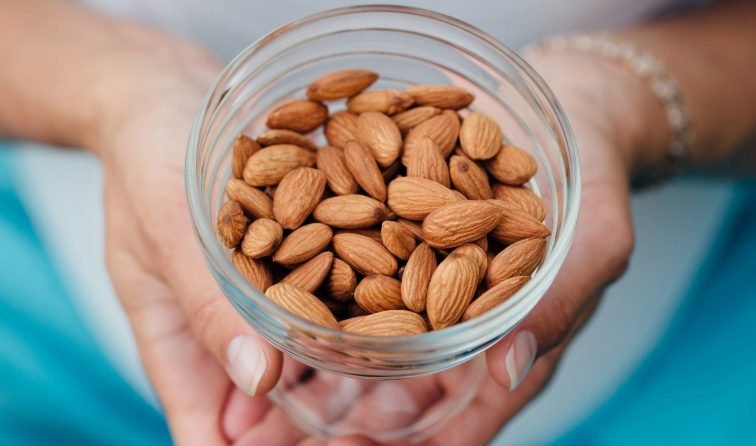
- Nuts and seeds make for great snacks too although be aware of portion size as they’re easily overdone!
- Switch your white refined carbohydrates for wholegrain varieties.