Are 25 Lb Dumbbells Enough to Build Muscle? What Actually Works
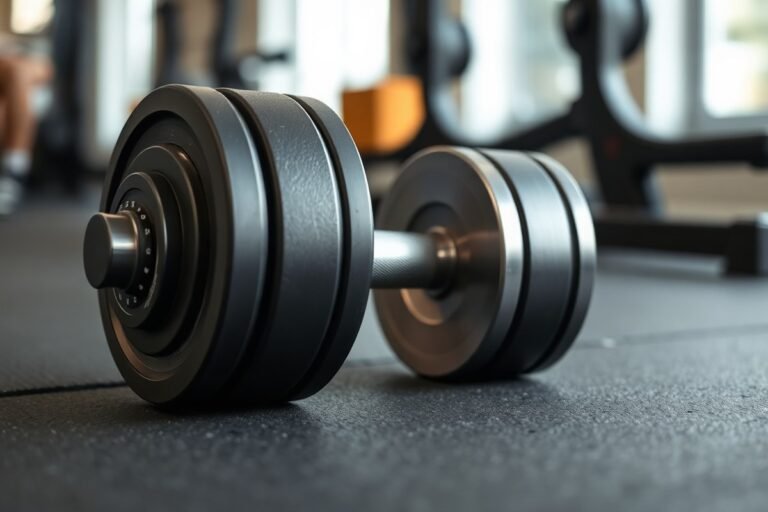
Are 25 lb dumbbells enough to build muscle? Yes, they can be if you use the right training methods. Controlled, slow movements and challenging your muscles within the right rep range make 25-pound weights effective for muscle growth, especially for beginners and those focusing on muscular endurance or definition. Start by mastering good form and focusing on muscle engagement with each repetition, which helps ensure a safe and productive workout.
Key Takeaways
- Use slow, controlled reps to fully engage muscles and maximize stimulus with 25 lb dumbbells.
- Perform 8 to 12 reps per set to target muscle growth effectively with this weight.
- Incorporate tempo and pauses during exercises to increase time under tension and boost muscle gains.
- Focus on compound movements like lunges and presses that work multiple muscle groups at once.
- Build endurance by performing higher reps (15-20+) if your goal is muscle tone and stamina.
- Track progress by increasing reps or sets when 25 lbs become too easy to maintain overload.
Can You Build Muscle Effectively Using 25 Lb Dumbbells?
Yes, 25 lb dumbbells can be enough to build muscle, particularly if you use them correctly. For beginners and many intermediate exercisers, this weight is heavy enough to stimulate muscle growth when performing exercises such as arm curls, shoulder presses, and various upper-body movements. Controlled, slow repetitions focusing on proper form help engage muscles fully, making 25 pounds challenging within the optimal 8-to-12 repetition range that drives hypertrophy.
To know if 25 lb dumbbells provide enough challenge, see if you can perform 8 to 12 reps with good form before muscle fatigue sets in. This rep range is a simple decision rule: use a weight that tires you within this window without compromising technique. When those 12 reps feel easy or you can do more than 15 comfortably, it’s time to increase weight or adjust your approach.
Women or smaller-framed beginners often find 25 pounds sufficient for meaningful muscle gains. However, for many men or those moving beyond basic strength, 25 pounds may serve more as a warm-up weight rather than a working weight during compound movements like dumbbell bench presses or squats. In those cases, muscles stop adapting to the load and growth plateaus.
Progressive overload remains essential, whether that means increasing reps, slowing down the tempo, adding pauses, or gradually increasing weight beyond 25 lbs. Without progressive challenge, muscles won’t grow effectively. For strength-focused lifters, heavier dumbbells in the 40- to 60-pound range per hand are usually needed over time to continue advancement. Still, 25 lbs can build muscle if you prioritize tempo control and volume while maintaining good form.
Best Exercises and Training Methods with 25 Lb Dumbbells
To maximize muscle growth with 25 lb dumbbells, focus on exercises that allow you to safely maintain strict, controlled form. Using a slow tempo increases the time your muscles spend under tension, which is key for building strength and size. For example, lowering the weights for 3 seconds and lifting in 1 second makes the muscle work harder without increasing the load. Incorporate a 1-2 second pause at the bottom of each repetition to eliminate momentum and keep the muscle engaged throughout.
Single-limb, or unilateral, exercises are especially effective when 25 lb dumbbells start to feel light. They force one side of your body to handle the full load, increasing muscular effort and balance. These movements also help correct strength imbalances that can limit progress. To use them effectively, perform exercises like one-arm rows, Bulgarian split squats, or single-arm overhead presses. Work each limb evenly with the same reps and controlled tempo.
- Bent-over dumbbell rows with a 3-second eccentric (lowering) phase and a 1-second concentric (lifting) phase
- Bulgarian split squats holding dumbbells by your sides, pausing for 2 seconds at the bottom
- Dumbbell chest presses performed slowly with a 1-2 second pause when arms are fully extended
- Single-arm overhead presses with controlled lowering to a 3-count
- Dumbbell goblet squats focusing on form and a slow tempo for 4 seconds down and 1 up
- Dumbbell bicep curls using a 2-second pause at the midpoint of the lift to increase tension
- Tricep kickbacks with slow, controlled motion and no swinging
To ensure muscle fatigue occurs, aim for a rep range of 8 to 15 depending on the exercise and your ability to maintain form. If you finish your last two reps without slowing down or feeling muscle burn, you need to slow the tempo, add pauses, or try more reps to increase fatigue. This approach challenges your muscles effectively without needing heavier dumbbells, making 25-pound weights a versatile tool for building muscle in both small and moderately large muscle groups.
How to Progress and Overload Muscles When Limited to 25 Pounds
Progressive overload means gradually increasing the challenge to your muscles to keep building strength and size. Using 25 lb dumbbells, you can achieve this by manipulating reps, sets, tempo, and workout structure instead of weight. This approach extends how long these dumbbells remain effective before you need heavier ones.
Generally, building muscle is most effective when you perform between 8 and 12 repetitions per set. To begin working with 25-pound dumbbells, try 3 to 4 sets consisting of 10 to 15 reps. Once 15 reps become easy, consider adding more reps or completing extra sets. Performing reps at a slower pace increases muscle engagement time, promoting growth. For instance, lower the dumbbell over 3 to 5 seconds and raise it in 1 to 2 seconds to increase difficulty without lifting heavier weights. Follow this step-by-step plan for progressive overload using 25 lb dumbbells:
- Start with a baseline: Perform 3 sets of 10 to 12 reps at a controlled tempo (2 seconds up, 3 seconds down) focusing on good form and muscle activation.
- Increase reps: Add 1 to 2 reps each week until you reach 15 reps per set comfortably.
- Add sets: Once 15 reps feel easy, increase to 4 or 5 sets while maintaining tempo and form.
- Adjust tempo: Slow the lowering phase to 4 to 5 seconds, increasing muscle tension without changing weight.
- Mix rep ranges: Include lower rep sets (6 to 8) with faster movements to target strength alongside higher rep endurance work.
- Vary exercises: Rotate compound and isolation movements to stimulate different muscles and avoid plateaus.
- Track progress: Record your reps, sets, and tempo weekly to ensure progressive overload and know when to increase weight.
This plan works best for upper body muscle growth using 25 lb dumbbells. Legs typically require heavier weights for effective strengthening. When reps reach 15 to 20 or sets become exhausting, it’s time to upgrade weights to continue progressing.
Who Benefits Most from 25 Lb Dumbbells and When to Upgrade
Beginners, women starting strength training, and individuals rebuilding muscle after injury generally benefit most from 25 lb dumbbells. For many women just beginning, pairs of 10-15 lb dumbbells progress to 20-25 lbs before moving to heavier weights, allowing steady strength gains without risk of injury. Body size and training goals affect weight effectiveness too; smaller individuals or those focused mainly on muscle endurance will find 25 lbs more suitable than larger lifters aiming primarily for strength and size.
Upgrading dumbbells depends on how challenging the weight feels. A practical rule is to increase weight if you can comfortably complete more than 15 reps per set without muscle fatigue or if the final reps don’t feel challenging. Using heavier dumbbells helps recruit more fast-twitch muscle fibers, critical for muscle growth and power improvement.
| Lifter Type | Recommended Starting Dumbbell Weight | When to Upgrade |
|---|---|---|
| Beginner Women | 10-15 lbs, progressing to 25 lbs | When sets exceed 15 reps with ease |
| Beginner Men or Smaller Body Size | 20-25 lbs | When 12-15 reps no longer exhaust muscles |
| Intermediate Lifters | 25 lbs as moderate load | When aiming for strength gains below 10 reps sets |
| Rebuilding Muscle Groups | 15-25 lbs depending on baseline strength | When movement quality improves and reps increase |
Tracking progress by rep ranges clarifies when 25 lbs stops providing enough overload. For example, if sets aimed at 8-10 reps move smoothly toward 12-15 reps without fatigue, weigh heavier dumbbells next. Controlled, gradual increases keep muscles adapting while reducing injury risk. When upgrading, expect to pay between $20 and $60 per dumbbell pair for 30-40 lb weights, depending on brand and material.
Supporting Muscle Growth with Recovery, Nutrition, and Safe Training
Rest is essential for muscle growth because muscles repair and grow during recovery, not while you’re working out. Allow at least 48 to 72 hours between sessions targeting the same muscle groups. This downtime helps prevent overtraining, which can slow progress and increase injury risk. Training the same muscles too often can lead to fatigue, so plan your workouts to alternate muscle groups or include rest days.
Nutrition supports muscle repair and growth. Eating enough calories ensures your body has energy to build muscle. Aim for a protein intake of about 0.7 to 1 gram per pound of body weight daily, which supports muscle hypertrophy. Choose lean protein sources like chicken, fish, or plant-based options and include a balance of carbohydrates and healthy fats. Proper nutrition fuels the repair process and lets you get the most from your 25 lb dumbbell workouts.
Using moderate weights like 25 lb dumbbells, focus on Maintaining correct form and controlled movements to reduce injury risk. Avoid jerky or overly fast lifts, which strain joints and connective tissues. Warm up before lifting with light cardio and dynamic stretches, and cool down after with gentle stretching to maintain flexibility. Start sessions with lower weight or reps if you feel any joint pain or discomfort.
To avoid burnout, balance intensity with recovery by listening to your body and adjusting your training volume as needed. For instance, if soreness lasts more than 72 hours or strength decreases, allow extra rest. Tracking your workouts with a journal or app helps identify when to increase rest or tweak your nutrition. This care ensures sustainable progress with 25 lb dumbbells without setbacks from injury or overtraining.
Your First 30 Days: A Quick-Start Plan
Use these steps to start building muscle effectively with your 25 lb dumbbells and measure your progress as you go.
- Day 1: Perform a full-body workout with compound exercises like dumbbell squats, presses, and rows. Aim for 3 sets of 12 reps per exercise to assess your current strength and endurance.
- Week 1: Track how challenging the last 2 reps feel on each set; if they are too easy, try increasing reps or slowing down the movement speed to maintain muscle tension.
- Week 2: Add variety by including isolation movements like bicep curls and tricep extensions, completing 3 sets of 15 reps. You’ll know it’s working if you feel muscle fatigue by the last reps.
- Week 3: Introduce progressive overload by changing tempo, slow down the lowering phase to 3, 4 seconds. You know you’re increasing intensity effectively when your muscles feel more engaged and sore, without any pain.
- Week 4: Increase the number of sets to 4 per exercise and incorporate supersets (two exercises back-to-back) to further challenge muscles. Notice improved muscle pump or endurance as signs of progress.
- End of Month: Evaluate strength gains by attempting 8, 10 reps with controlled speed and perfect form. When 25 lb dumbbells feel too light or the reps become easy, it’s time to think about upgrading your equipment.
Frequently Asked Questions
Are 25 Lb Dumbbells Enough for Building Muscle in Beginners?
Yes, 25 lb dumbbells are suitable for beginners because they provide enough resistance to challenge muscles while maintaining proper form, which helps in building muscle efficiently during early training stages.
Can 25 Lb Dumbbells Help with Muscle Endurance as Well as Size?
Yes, they can improve muscular endurance through high-repetition training, which increases stamina but may need heavier weights later for significant muscle growth.
How Can You Avoid Plateaus Using Only 25 Lb Dumbbells?
Vary your tempo, increase reps, or add pauses in your movements to continuously challenge muscles despite weight limits.
Is It Possible to Target All Major Muscle Groups with Just 25 Lb Dumbbells?
Yes, by selecting exercises that engage different muscles, you can hit all major groups and build a balanced physique.
When Should You Consider Upgrading from 25 Lb Dumbbells?
Upgrade when exercises become too easy and no longer cause muscle fatigue after the usual sets and reps.
The Bottom Line
Twenty-five-pound dumbbells can build muscle effectively, especially when you use proper training methods and focus on progression. To keep making gains, challenge your muscles regularly through increased reps, slower tempos, or added sets. Starting your next workout, focus on controlling each lift and pushing close to muscle fatigue within safe limits to maximize results with your current weight.