Are Elliptical Machines Bad for Knees? What Actually Works for Knee Safety
Are elliptical machines bad for knees? No, they are generally gentle on your knees compared to running or walking on hard surfaces. Ellipticals keep knee flexion shallow, around 30 to 40 degrees, which avoids excessive joint compression and strain. To start, use an elliptical with an adjustable stride length matching your leg size to reduce discomfort.
Key Takeaways
- Elliptical machines limit knee bend to about 30-40 degrees, easing pressure on knee joints during workouts.
- Choose an elliptical with a power-adjustable stride, ideally 16 to 22 inches, to fit your leg length.
- Begin exercising for 5 to 10 minutes and gradually increase to 30 minutes most days each week.
- Use the elliptical 3 to 5 times weekly to maintain knee strength without overloading the joint.
- Ellipticals remove ground impact, making them safer than running for those with knee arthritis or pain.
- Keep workouts weight-bearing to support knee health but avoid high loads exceeding 50% of your body weight.
Are Elliptical Machines Harmful to Your Knees?
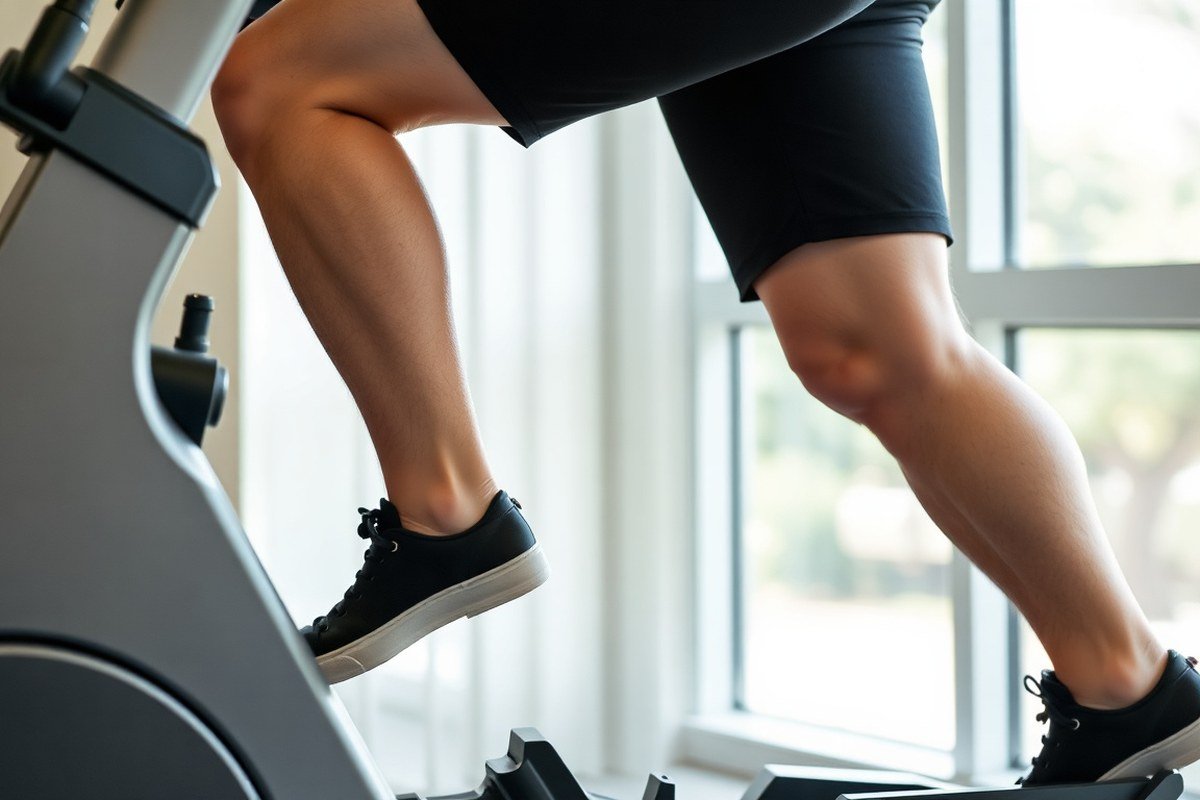
Elliptical machines are generally safe for knee joints and are considered less stressful compared to running or jumping activities. Research shows that the joint stress level during elliptical workouts is low, especially when compared to high-impact exercises like running, which exerts significantly more compression and shear forces on the knees. Stationary bikes, another low-impact option, share similar benefits but differ in knee movement patterns.
The knee flexion angle on an elliptical typically stays between 30 and 40 degrees, which is a shallow bend that avoids pushing the joint into a compressed or painful position. This differs from running, where the knee flexion can be deeper and combined with higher impact forces, increasing wear on cartilage and ligaments, especially problematic for people with arthritis or prior injuries.
People with arthritis or existing knee issues often find elliptical machines more comfortable because they reduce impact and maintain controlled knee angles. High-impact activities like running on hard surfaces or jump training produce joint forces that can worsen inflammation and structural damage. In contrast, ellipticals simulate a running motion but keep knee movement smooth and low-impact, making them a preferred choice for managing knee pain during cardio.
Using an elliptical with proper form and at a suitable intensity level further minimizes risks. It is important to avoid excessive resistance or incorrect posture, which could increase strain on the knee. For mild to moderate knee concerns, ellipticals and stationary bikes offer a safer cardiovascular workout compared to running, aligning with recommendations from physical therapists and arthritis experts.
How to Use Elliptical Machines Safely to Protect Your Knees
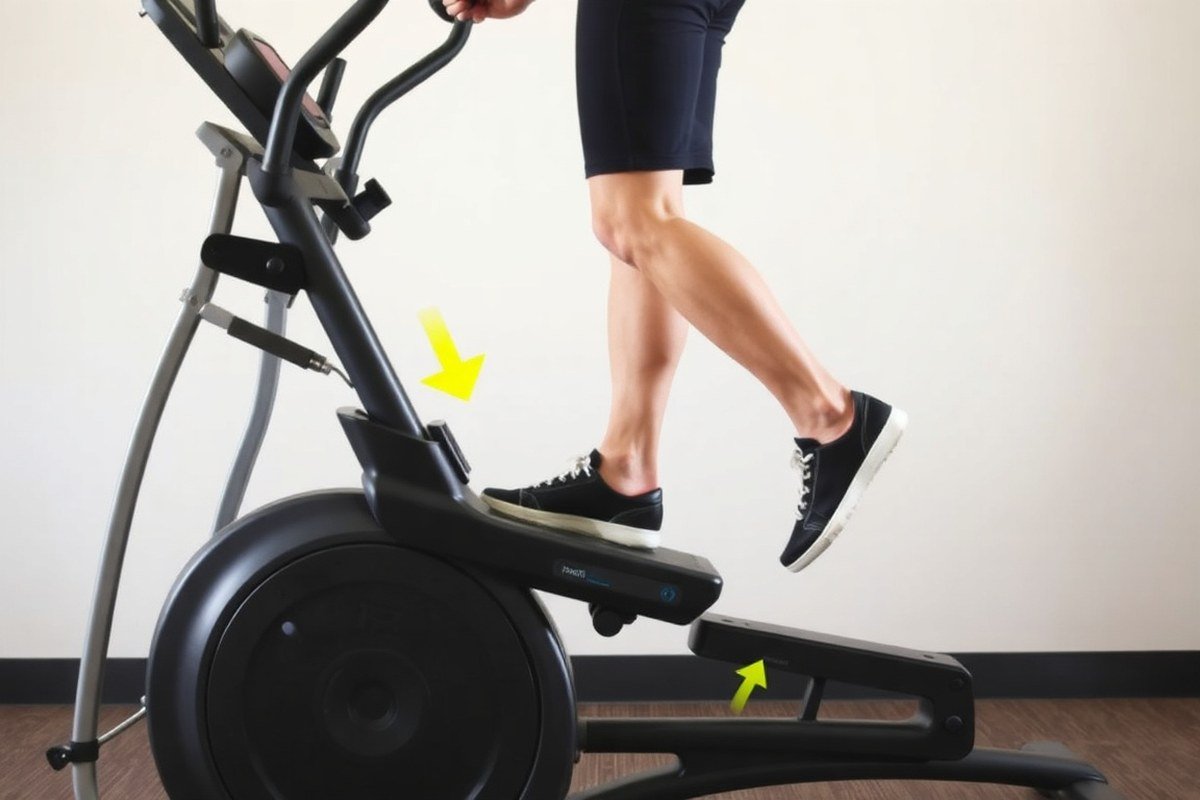
Maintaining proper form on the elliptical is key to protecting your knees and preventing pain. Keep your back straight, shoulders relaxed, and gaze forward to promote good posture. Your knees should track in line with your feet, avoiding excessive inward or outward movement. Engage your core muscles to help stabilize your hips, which supports proper knee alignment throughout the motion.
Common mistakes often lead to knee strain but can be corrected easily. Many users bend their knees too deeply, increasing stress on the joint. Instead, keep the knee flexion shallow, about 25 to 30 degrees during the elliptical stride. Avoid locking your knees at full extension, which can transfer impact pressures to the joint. Also, progressing resistance too quickly without warming up muscles places unnecessary strain on the knees. Gradual increases in resistance as you warm up help avoid this risk.
- Keep back straight and shoulders relaxed to maintain posture
- Track knees in line with feet; avoid inward or outward knee movement
- Use shallow knee flexion, no more than 30 degrees of bending
- Do not lock knees at full extension during pedalling
- Warm up slowly and increase resistance gradually
- Wear sneakers with strong arch support or orthotic inserts for knee alignment
- Use the elliptical’s handrails moderately to maintain balance without overgripping
Footwear with strong arch support or custom orthotics can help keep your hips and knees aligned properly on the elliptical. Supportive shoes prevent excess pronation that might otherwise cause joint stress. Adjust machine settings so your stride length feels natural and comfortable without forcing excessive bend or reach. These adjustments reduce strain on your knees and contribute to a safer, more comfortable workout experience.
Best Elliptical Settings for Knee Comfort and Injury Prevention
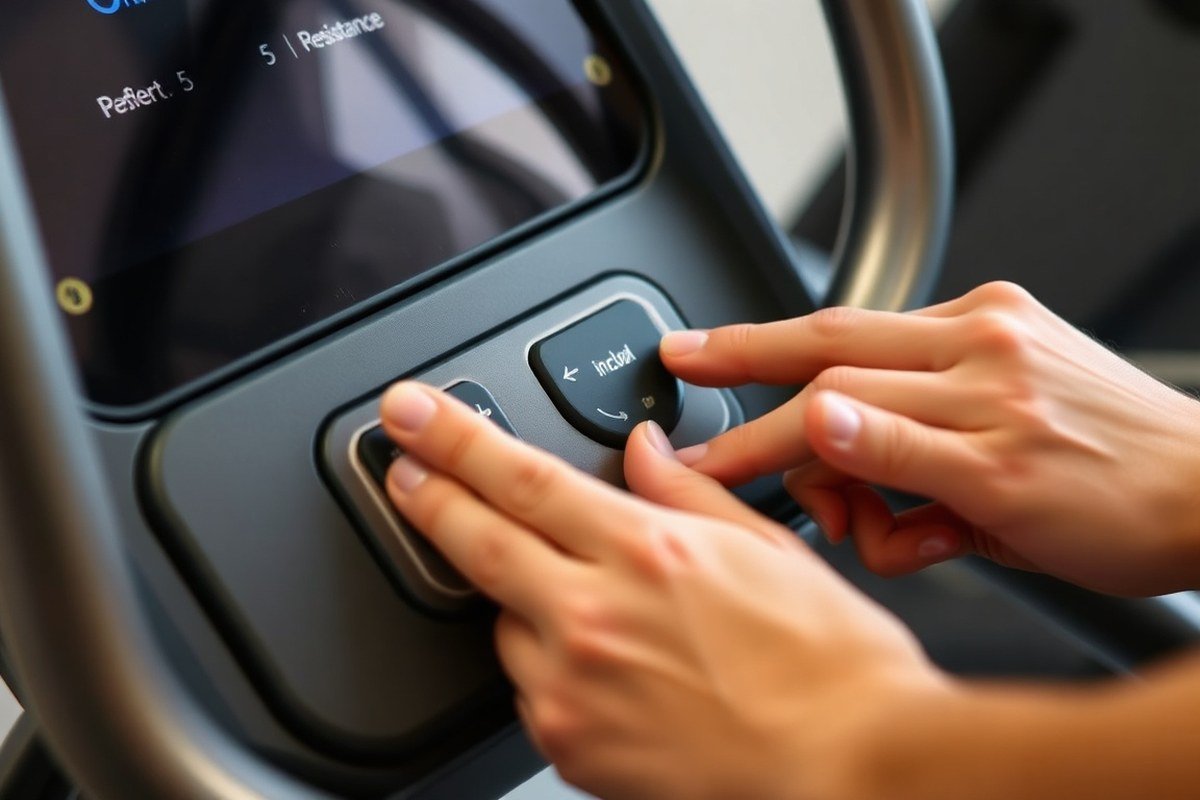
Adjusting your elliptical’s settings can significantly reduce knee stress and improve comfort during workouts. Start by setting the stride length close to your natural leg length, typically between 18 and 20 inches, to allow a smooth, natural motion that limits joint strain. Use the power-adjustable stride if available, such as on the SOLE E95S model, where you can finely tune the stride between 18 and 24 inches to find your best fit.
Resistance should begin low to avoid overloading your knees, then increase gradually as your muscles strengthen. Sudden spikes or high resistance could aggravate sensitive joints. Incline adjustments can also help; a mild incline of 1 to 3 degrees shifts the pedal path to ease knee pressure by changing the angle of leg movement. Experimenting with movement direction, such as backward pedalling, may also influence comfort depending on your specific knee issues.
| Setting | Recommended Range / Action |
|---|---|
| Stride Length | 18, 20 inches; adjust to match natural leg length |
| Resistance | Start low; increase gradually based on comfort |
| Incline | 1, 3 degrees; use slight incline to reduce knee strain |
To adjust stride and resistance, start your session at the lowest settings to warm up your knees. Slowly increase resistance while maintaining a Smooth, steady stride. Avoid jerky movements or high resistance that causes pain. Use the incline dial to experiment with small increases; stop adjusting if discomfort appears. If recovering from injury or arthritis, these subtle changes can bridge the gap between inactivity and full exercise without overloading your knees.
Supporting Knee Health: Exercises and Conditioning Around Elliptical Use
Strengthening the quadriceps, hamstrings, and glutes helps stabilize and support your knees during elliptical workouts. These muscle groups absorb force and reduce strain on your knee joints. Using an elliptical regularly aids in conditioning these muscles with low joint impact, making it useful for knee rehab and injury prevention. To fully support your knees, supplement elliptical sessions with targeted strength exercises. The following exercises directly strengthen muscles around the knees:
- Leg extensions to target the quadriceps
- Hamstring curls, either on a machine or with resistance bands
- Glute bridges to engage the glutes and hips
- Bodyweight or weighted squats for overall knee and leg strength
- Calf raises to improve lower leg stability
- Balance exercises, like single-leg stands, to improve knee joint stability
To safely combine elliptical routines with muscle strengthening, start elliptical workouts at 15 to 20 minutes three times a week at moderate intensity. Gradually increase duration up to 30 to 45 minutes, focusing on proper form to avoid overuse injuries. Alternate elliptical days with strength training sessions to allow recovery. Adding occasional higher incline periods or forward motion challenges can further strengthen muscles involved in knee extension.
Good results include less knee pain, better endurance on the elliptical, and improved stability when walking or climbing stairs. You should avoid pushing through sharp knee pain or excessive fatigue, which could signal overuse. Keeping a balanced weekly schedule with low-impact cardio like elliptical workouts and targeted strengthening exercises offers a sustainable path to improving knee health over several months.
When and How to Seek Professional Help for Knee Pain Related to Elliptical Use
Knee pain caused by elliptical use usually feels like a sharp or aching discomfort during or after exercise, especially around the front or inner part of the knee. The pain may worsen with continued elliptical workouts or when walking, climbing stairs, or squatting afterward. Keep an eye on swelling, stiffness, or limited range of motion, which are signs your knee might be suffering from strain or injury linked to elliptical use.
You should consult a healthcare professional when pain persists more than a few days despite proper machine settings and technique. Also, stop using the elliptical immediately if you experience sharp pain, instability, or a popping sound in the knee. Early evaluation by a physical therapist, orthopedist, or chiropractor can identify conditions such as tendinitis, bursitis, or cartilage wear that may worsen without treatment.
- Persistent knee pain after elliptical sessions lasting over 3 days
- Swelling, redness, or warmth around the knee joint
- Limited knee movement or stiffness beyond normal soreness
- Feeling of knee instability or giving way during activity
- Sharp pain with specific movements or at rest
- Pain worsening in daily activities like walking or going up stairs
Prepare for your visit by clearly describing your symptoms. A good script might be: “I have been using an elliptical machine 3 times per week for 30 minutes each session. I started feeling a dull ache behind my kneecap during workouts about 2 weeks ago. The pain increases by the end of the session and sometimes lingers for hours. I also noticed some stiffness and slight swelling.” This information helps your provider understand the problem’s timing, severity, and possible causes.
Consulting early can prevent worsening damage and speed up your recovery. Healthcare professionals can recommend tailored treatments like physical therapy exercises, adjustments to your workout routine, or medications. If necessary, they can perform imaging tests to rule out serious conditions. Avoid ignoring symptoms or pushing through pain, as that risks turning a manageable knee issue into a chronic problem.
Your First Weeks: A Quick-Start Plan for Knee-Friendly Elliptical Use
Follow these steps to start using an elliptical machine without hurting your knees and to build knee strength safely.
- Before You Begin: Consult your doctor or a licensed physical therapist if you have existing knee pain. They can advise whether elliptical workouts are safe for you.
- Day 1: Set the elliptical resistance and incline low to avoid stressing your knees. Notice any pain or discomfort and adjust settings immediately if needed.
- Week 1: Limit your sessions to 10-15 minutes. You should feel slight muscle engagement but no knee pain during or after exercise.
- Week 2: Add knee-strengthening exercises off the elliptical, such as straight-leg raises or hamstring curls, to support joint stability. Feel your knees become more stable during movement.
- Week 3: Gradually increase workout time to 20-25 minutes and adjust resistance slightly if comfortable. Monitor knee comfort closely.
- Week 4: Try using different elliptical stride lengths or reverse pedalling to reduce repetitive strain. Check if your knees feel less stiff or sore after sessions.
- If Pain Occurs: Stop using the elliptical and consult a healthcare professional for assessment and tailored recommendations.
Frequently Asked Questions
Are Elliptical Machines Bad for Knees If You Have Arthritis?
Elliptical machines are generally safe for knees with arthritis due to their low-impact nature. Use smooth, controlled movements to avoid aggravating joint pain and adjust resistance to a comfortable level.
Can Elliptical Use Cause New Knee Injuries?
New knee injuries from ellipticals are uncommon when used properly. Poor form or excessive resistance may strain knees, so start slow and maintain correct posture.
Is It Better to Use an Elliptical or Bike for Knee Pain?
Ellipticals offer wider motion and weight-bearing benefits, while bikes reduce load even more. Choose based on your knee comfort and personal preference.
How Does Stride Length Affect Knee Comfort on an Elliptical?
Stride length between 16-22 inches helps maintain natural knee motion. Adjust if possible to avoid overstressing your joints during workouts.
Will Elliptical Training Strengthen Muscles Supporting the Knees?
Yes, elliptical workouts target quads, hamstrings, and calves, which support knee stability. Strengthening these muscles can reduce knee pain over time.
Key Points to Remember
Elliptical machines are generally gentle on knees when used correctly and with proper conditioning. Listening to your body’s signals and making cautious adjustments protects your joints from harm. Starting slow and incorporating knee-strengthening exercises around your workouts can keep you moving comfortably. Pay attention to any persistent pain and reach out to a healthcare provider if concerns arise.