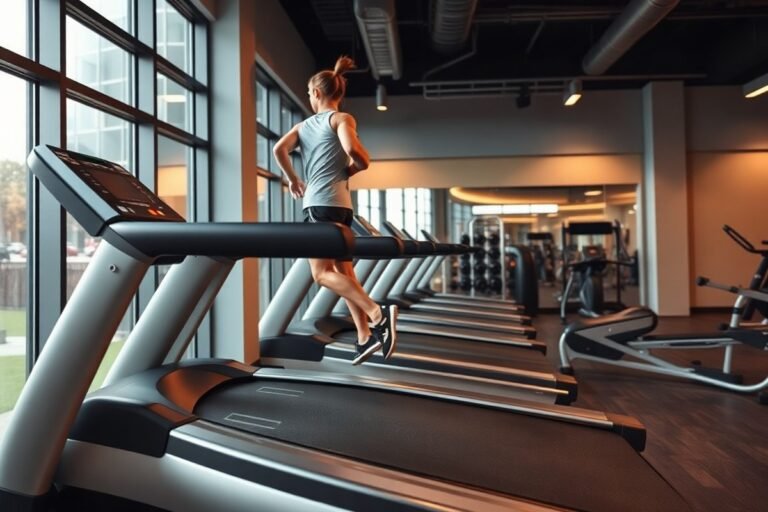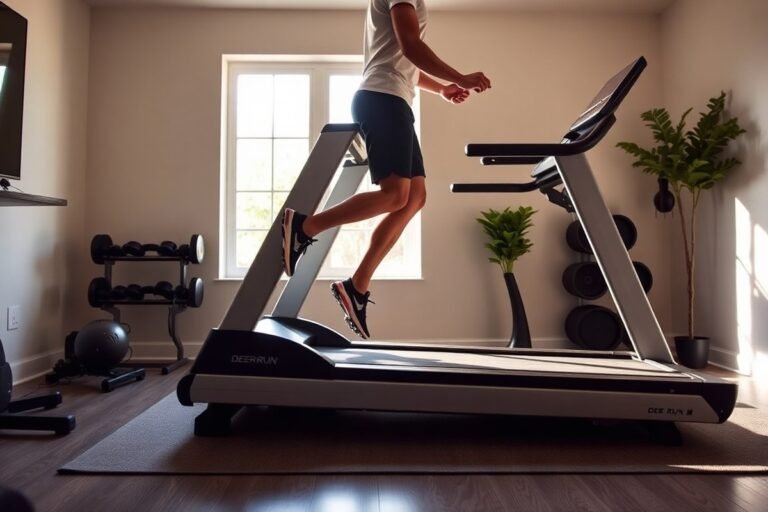
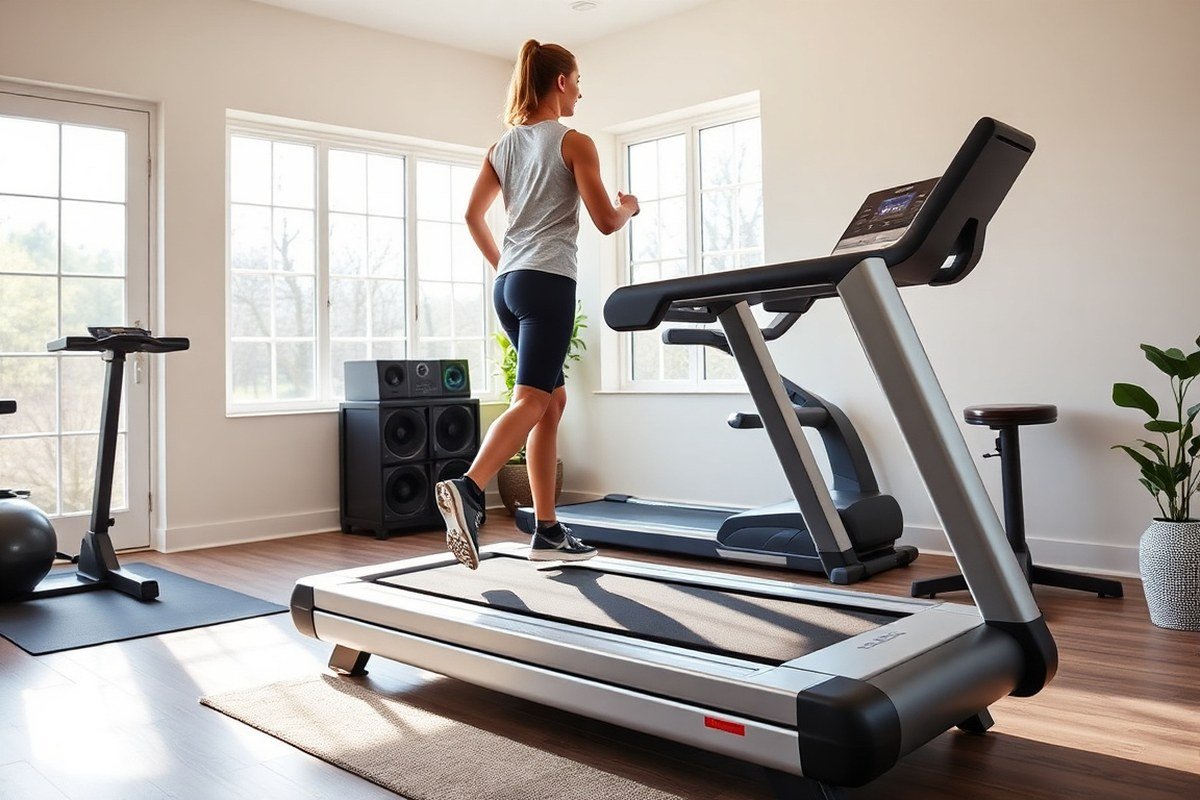
Are Deer Run Treadmills Good? Honest Review and Buyer’s Guide
Are Deer Run treadmills good for casual walking and light jogging? Yes, they offer solid value with comfortable decks and motors suited for users under 250 pounds who mostly walk or jog lightly. Their price point below $500 makes them a practical choice if you want a reliable, no-frills treadmill without spending a lot. To get the best experience, start by checking the belt width and motor strength to make sure it matches your walking habits and body weight.
Key Takeaways
- Deer Run treadmills typically have decks 16 to 20 inches wide, ideal for comfortable walking space.
- The 2.5 HP motor and 450 lbs capacity deliver stable performance for users under 250 pounds.
- Most Deer Run models feature a manual incline of 5% or 6%, with some higher tiers reaching 20% incline.
- Compact models have belts around 16.5 by 44 inches, which suits light jogging but not long-stride running.
- Initial setup requires testing all speeds and inclines, then retightening bolts after about 10 hours of use.
- Walking pads and folding treadmills under $500 represent a budget-friendly entry to home fitness equipment.
Are Deer Run Treadmills Good for Walking and Light Jogging?
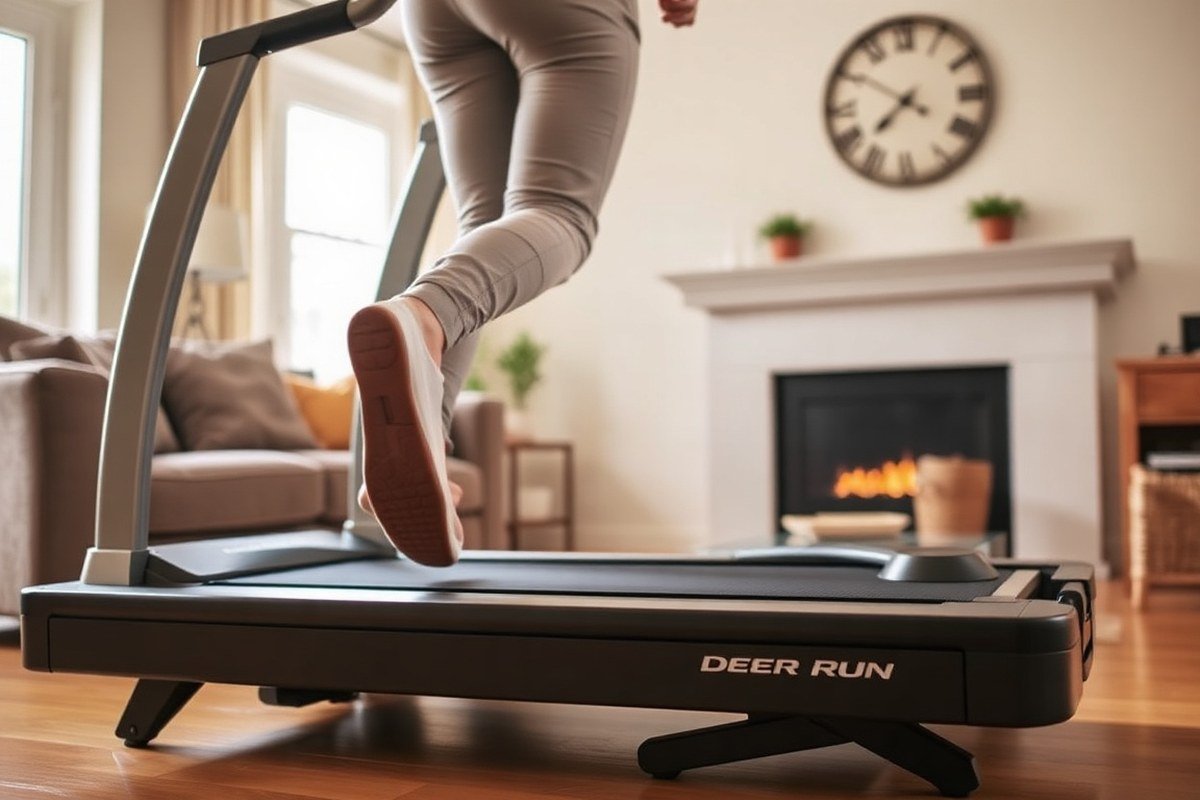
Deer Run treadmills are well-suited for walking and light jogging, especially for home users who prioritize budget and easy storage. The motors, typically ranging from 2.5 to 3.0 continuous horsepower, provide enough power to support steady walking and light jogging without strain. For example, the Z10 Pro model features a larger motor and a longer, wider belt that many users find comfortable, particularly those who are taller or who prefer a more spacious running surface. This makes it a solid choice if your workouts prioritize comfort and moderate intensity.
Many users benefit most from Deer Run treadmills when they stick to casual or steady-paced exercise. These treadmills generally support up to 300 pounds, which covers most users comfortably. The folding design and compact size also appeal to those with limited space or who want to store their treadmill easily when not in use. Lower-priced walking pads starting around $140 and folding models under $500 offer options for those with modest budgets. The focus on walking and light jogging helps keep the treadmill’s components reliable within this usage range.
Deer Run treadmills are not ideal for serious runners or users expecting to perform intense running workouts. The speed range and motor power simply aren’t designed for high-impact or sustained running sessions. Serious runners often require treadmills with motors over 3.0 HP, longer belts, and more strong frames to absorb shock and provide stability. Users taller than average should lean toward models like the Z10 Pro with wider decks, as smaller Deer Run models may feel cramped and limit stride comfort. Matching the model to workout intensity and user height is the key to getting good results from a Deer Run treadmill.
Key Performance and Build Features of Deer Run Treadmills
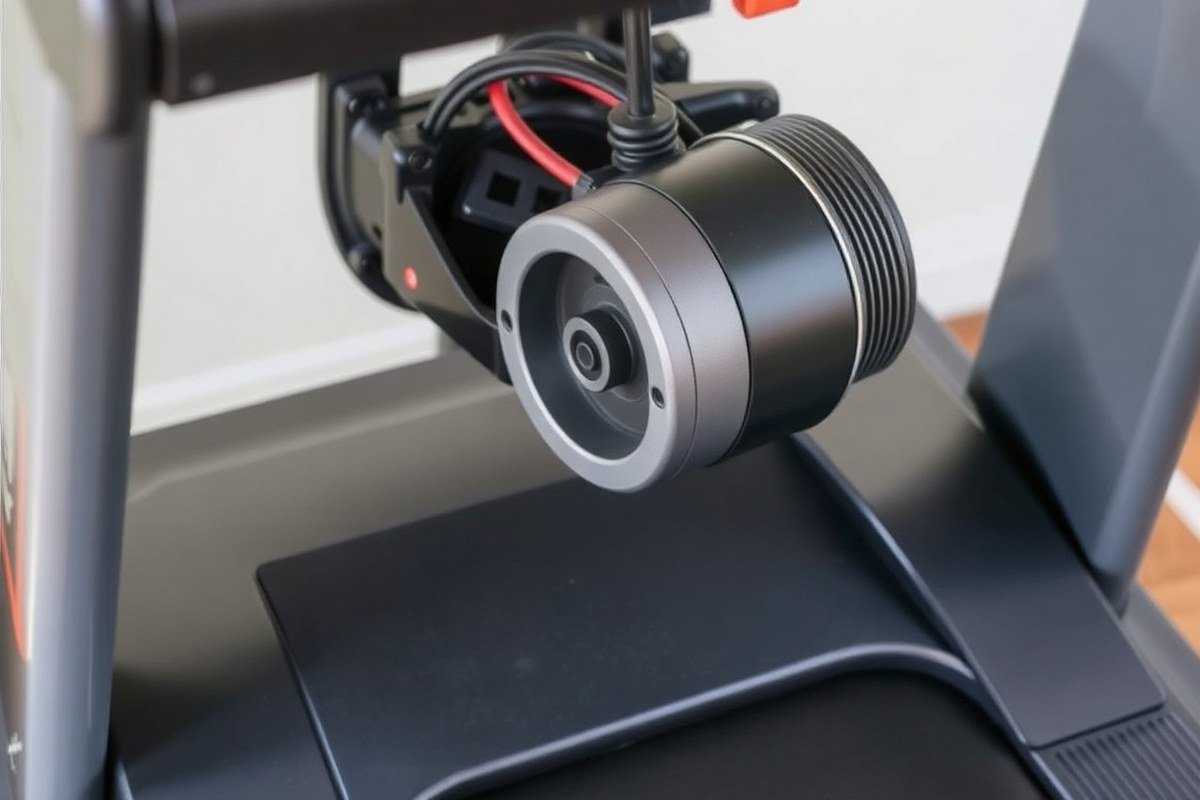
Deer Run treadmills come with motor power ranging mostly between 2.0 and 3.0 continuous horsepower (CHP), depending on the model. For example, the A1 Pro uses a 2.0 CHP motor providing enough force for casual walking at speeds up to about 3.8 mph, while the Z10 Pro upgrades to a 3.0 CHP motor to support speeds up to 4.0 mph and slightly more rigorous use. Motor power matters because it influences the machine’s ability to maintain consistent speed under load and its durability over time.
The belt size is another important factor. Compact models like the A1 Pro feature a belt approximately 16 inches wide by 47 inches long, which suits walkers and those with limited space. In contrast, larger models such as the Z10 Pro offer a wider belt around 20 inches by 55 inches for added comfort and stability during use. A wider and longer belt lets you move more naturally and reduces the risk of stepping off accidentally.
Deck construction and frame stability reflect Deer Run’s balance between affordability and durability. The frames use high-grade steel but are generally lighter and less heavy-duty than those found on more expensive brand models. For instance, weight capacity ranges from roughly 265 pounds on the A1 Pro to 330 pounds on the Z10 Pro, which is adequate for most home users walking or jogging. A sturdier frame fosters smoother operation and lowers vibration, which influences noise levels.
Noise levels with Deer Run treadmills vary by model but tend to be moderate. Models like the A5 Pro emphasize ultra-quiet operation, making them suitable for apartments. Noise largely depends on motor size, belt lubrication, and overall build. Users should expect some motor sound, especially at higher speeds, but nothing excessively loud for home environments.
Most Deer Run models allow adjustment of incline between 0% and approximately 10-12%. Incline is typically manual or motorized depending on the model, enabling you to simulate uphill walking and increase workout intensity. Accurate incline adjustments improve exercise variety but can sometimes lag slightly in entry-level models.
How to Choose the Right Deer Run Treadmill Model for You
Choosing the right Deer Run treadmill depends on matching your height, weight, workout type, space, and budget with the model’s features. For casual walkers under 250 pounds, Smaller walking pads with basic cushioning and simple controls usually work well. Light joggers or users who want incline options should look for models with more powerful motors and rated for higher intensity use.
The belt size and motor power matter for comfort and durability. If you are taller than 5’8″ or weigh near 200 pounds, a wider belt (at least 16 inches) and a motor of 1.5 horsepower or more are recommended to support your stride and weight. Users under 150 pounds can choose narrower belts and motors closer to 1.0 horsepower for walking.
Space constraints favor foldable models or compact walking pads, which fit neatly into smaller rooms or apartments. Most Deer Run walking pads are slim and fold to save space but may lack incline features. Models with handles and incline usually take more room and cost more but add variety to workouts.
| Model | User Weight Limit | Belt Size (inches) | Motor Power (HP) | Incline Levels | Foldable | Rating |
|---|---|---|---|---|---|---|
| DeerRun 3 in 1 Walking Pad | 250 lbs | 17 | 1.5 | Yes, 9 levels | Yes | 9.3/10 |
| DeerRun 2025 Upgrade Walking Pad | 220 lbs | 16 | 1.3 | No | Yes | 9.1/10 |
| Walking Pad Treadmill with 12% 9-Level Auto Incline | 230 lbs | 18 | 1.75 | Yes, 9 levels | Yes | 9.4/10 |
| DeerRun Walking Pad | 200 lbs | 15 | 1.0 | No | Yes | 8.9/10 |
| DeerRun Treadmills for Home with Incline and Handles | 250 lbs | 18 | 2.0 | Yes, multiple levels | No | 9.3/10 |
Use this checklist to narrow your choices: Confirm your weight stays below the treadmill’s user limit by 50 pounds. Measure your available space and fit a foldable model if space is tight. Pick a belt length and width that fits your height comfortably for walking or jogging. Decide if you want incline to boost training intensity or prefer walking only. Compare prices but avoid sacrificing motor power or durability, especially at higher weights.
Setup, Assembly, and First-Time Use Tips
Assembling a Deer Run treadmill is manageable for most people and usually takes about one to two hours. You won’t need special tools beyond the included Allen wrenches and possibly a screwdriver or adjustable wrench, depending on your model. Proper setup matters because it ensures the machine runs smoothly and avoids unnecessary wear on components.
Start by unpacking all parts carefully and organizing them by size and screws. Deer Run treadmills typically come with clear instructions, but common pitfalls include missing bolt tightening after initial assembly and failing to level the machine on uneven floors. Follow these steps to set up your treadmill and prepare it for first use:
- Place the treadmill on a flat, stable surface, ideally on a mat. Uneven floors can cause belt misalignment.
- Attach the frame components securely, tightening all bolts and screws firmly with the provided tools. Check each connection twice.
- Install the console and connect the wiring according to the manual, taking care to avoid pinching cables.
- Level the treadmill by adjusting the feet beneath the deck until the machine does not rock side to side.
- Power on and run the belt at low speed without load for about 5 minutes to allow the components to settle.
- Stop and retighten bolts after this break-in period, especially those on the frame and running deck.
- Check belt tension and alignment following the user guide; adjust if the belt drifts or slips.
- Sync with the PitPat app if your model supports Bluetooth to complete setup and track your workout.
Spending this time upfront helps your Deer Run treadmill perform well in the long run. Avoid rushing or skipping checks, as loose bolts or an unlevel deck can cause noise, premature wear, and even void your warranty. Expect to use your own patience more than specialized skills during assembly, with most users able to handle setup alone or with one helper.
Maintenance, Durability, and Long-Term Ownership Experience
Maintaining a Deer Run treadmill regularly is key to ensuring long-term durability and smooth operation. The two most important tasks are lubricating the belt every three months and checking belt tension to prevent uneven wear. Both can be done with basic tools and a silicone-based treadmill lubricant, which usually costs under $15. Apply the lubricant beneath the belt edges following the user manual, then run the treadmill at a low speed for a few minutes to distribute it evenly.
Users should also keep the treadmill clean and free from dust buildup, especially near the motor and rollers. This helps avoid overheating and preserves performance. Troubleshooting simple issues like belt slippage, unusual noises, or display errors is usually straightforward. Most often, adjusting belt tension or cleaning sensors resolves these problems. Complex repairs, such as motor replacement or electronic faults, typically require professional service and may cost $100 or more, depending on the part.
- Lubricate the belt with silicone lubricant every three months
- Check and adjust belt tension monthly
- Clean dust from motor and rollers every 1 to 2 months
- Tighten screws and bolts quarterly to keep frame stable
- Unplug treadmill when not in use for extended periods
- Report persistent noises to a professional technician
Reports from users show that Deer Run treadmills provide acceptable durability for casual walking and light jogging over several months. Machines used under 250 pounds and not subjected to intense or daily jogging tend to hold up well. Those carrying heavier users or used frequently at higher speeds may show faster belt wear or frame looseness. Following the regular maintenance checklist helps you protect your investment and identify minor issues before they become serious. Skipping upkeep often leads to more frequent breakdowns and shorter treadmill life.
Customer Service, Warranty, and Shipping Realities
Deer Run treadmills come with a standard two-year warranty that covers most parts and motor issues, offering some peace of mind for home users focused on walking and light jogging. While this warranty length is typical for entry-level treadmill brands, some competitors provide longer terms specifically on motors and parts. Knowing the warranty details helps you prepare for potential repairs or replacements within a reasonable timeframe.
Customer service for Deer Run is available 24/7, which is important if you encounter equipment problems outside regular business hours. User feedback suggests that their customer support is generally responsive, making it easier to troubleshoot issues or arrange warranty claims. However, because Deer Run is still building its service reputation, response quality may vary compared to more established brands.
Shipping experiences are mostly positive, with users reporting relatively fast delivery times and straightforward return processes. Typical shipping times range from a few days to about a week, depending on your location, helping you get your treadmill set up quickly. Keep in mind delays can happen during peak seasons or due to external factors, so ordering ahead of when you plan to start using your treadmill is wise.
When you need to make a warranty claim or request a repair, the process usually starts by contacting Deer Run’s customer support via their 24-hour helpline or email. You’ll need to provide your purchase details and describe the problem clearly. The company typically guides you through troubleshooting first and, if necessary, authorizes parts replacement or technician visits. While some repairs are covered under warranty at no cost, shipping replacement parts to you might take several days.
To handle customer service issues effectively, keep this checklist in mind: 1) Have your model number and purchase receipt handy; 2) Document the issue with photos or videos if possible; 3) Use the 24/7 support line promptly to avoid delays; 4) Follow all instructions for troubleshooting before requesting repair; 5) Confirm warranty coverage before committing to out-of-pocket expenses. This approach helps you resolve problems faster and retain satisfaction during your treadmill ownership experience.
Who Should Buy (and Avoid) Deer Run Treadmills?
Deer Run treadmills fit best for users who are under 6 feet tall and weigh less than 250 pounds. Their compact design and portability make them ideal if you have limited space or want a treadmill you can easily move or store. The typical belt length is more suited for walking or light jogging rather than running, so your stride and pace matter for comfort and safety. Buyers who weigh more or are taller risk feeling cramped on the deck, which may cause discomfort or affect your gait.
People with back pain or joint issues should be cautious. While Deer Run treadmills offer basic cushioning, they lack advanced shock absorption compared to higher-end models. Using one without consulting a healthcare provider might aggravate existing conditions. For safer options, models with improve cushioning and wider decks would be better investments.
- Check your height and weight against Deer Run’s specifications: under 6 feet and 250 pounds
- Assess your workout style, mainly walking or very light jogging is appropriate
- Confirm available space for a compact treadmill that folds and moves easily
- Consider your joint health and consult a professional if you have pain before buying
- Expect simpler features and lower prices compared to premium treadmills
- Avoid if you plan serious running or need extra deck length and shock absorption
- Explore user reviews on Amazon or Reddit to verify real-world performance
When a little extra deck length or cushioning is necessary, or if you stand much taller than 6 feet, other brands with specialized designs become more suitable. Deer Run excels at budget-friendly portability, but tradeoffs in size and shock control mean it’s not the best for intensive use or larger users. Knowing your physical profile and exercise goals helps you decide if Deer Run matches your home gym needs exactly.
Step-by-Step Action Plan for Using Your Deer Run Treadmill
Start your Deer Run treadmill journey smoothly by following this clear plan. Each step helps you understand and maximize your treadmill for walking or light jogging.
- Before you start: Choose the right Deer Run model that fits your space and fitness level. Ensure the treadmill’s speed and cushioning match your walking or jogging needs by reading product specs carefully.
- Day 1: Assemble your treadmill following the manufacturer’s instructions. Confirm all bolts and parts are secure to avoid noise or instability during use.
- Day 2: Try a short 10-minute walk at a low speed. Check that the belt moves smoothly and quietly, and that the treadmill feels steady underfoot.
- Week 1: Gradually increase your session time to 20-30 minutes at a comfortable pace. Monitor for any unusual sounds or belt slipping to catch issues early.
- After 2 weeks: Perform basic maintenance like cleaning the belt and lubricating if recommended. This keeps performance smooth and extends treadmill life.
- Month 1: Evaluate your comfort and adjust treadmill settings like incline or speed increments to suit your evolving routine.
- Every 3 months: Check tightness of screws and belt alignment to prevent wear. Address any minor repairs quickly to maintain safety and performance.
- As needed: Contact Deer Run customer service for warranty support or troubleshooting if you notice persistent problems.
Frequently Asked Questions
Are Deer Run Treadmills Suitable for Running Workouts?
Yes, Deer Run treadmills suit light to moderate running when you select a model with a 3.0 HP motor designed for that intensity. Avoid models meant only for walking to prevent motor strain.
Do Deer Run Treadmills Work Well in Small Apartments?
Yes, several Deer Run models fold up for easier storage, making them a good fit for small spaces or apartment living. Check the folding feature before purchasing if storage is a priority.
Can Deer Run Treadmills Be Used for Long Daily Workouts?
They support moderate daily training best when you pick a model matching your workout intensity. High-volume runners may find durability issues over time.
Are the Motors in Deer Run Treadmills Powerful Enough?
Most Deer Run walking treadmills come with 2.5 HP motors, and folding models have 3.0 HP, enough for walking and light jogging but less ideal for heavy running.
How Reliable Is Deer Run Customer Service?
Customer service can be inconsistent and may slow down warranty support, so be prepared to troubleshoot on your own or seek local repair experts.
Key Points to Remember
Deer Run treadmills can be a solid choice for casual walkers and light joggers when chosen and maintained properly. Start by picking the right model for your needs, then follow a routine to keep it running well. Take your first step today by deciding which Deer Run treadmill fits your home space and fitness goals best.